Reminder: The “border exemption” to your rights is real.
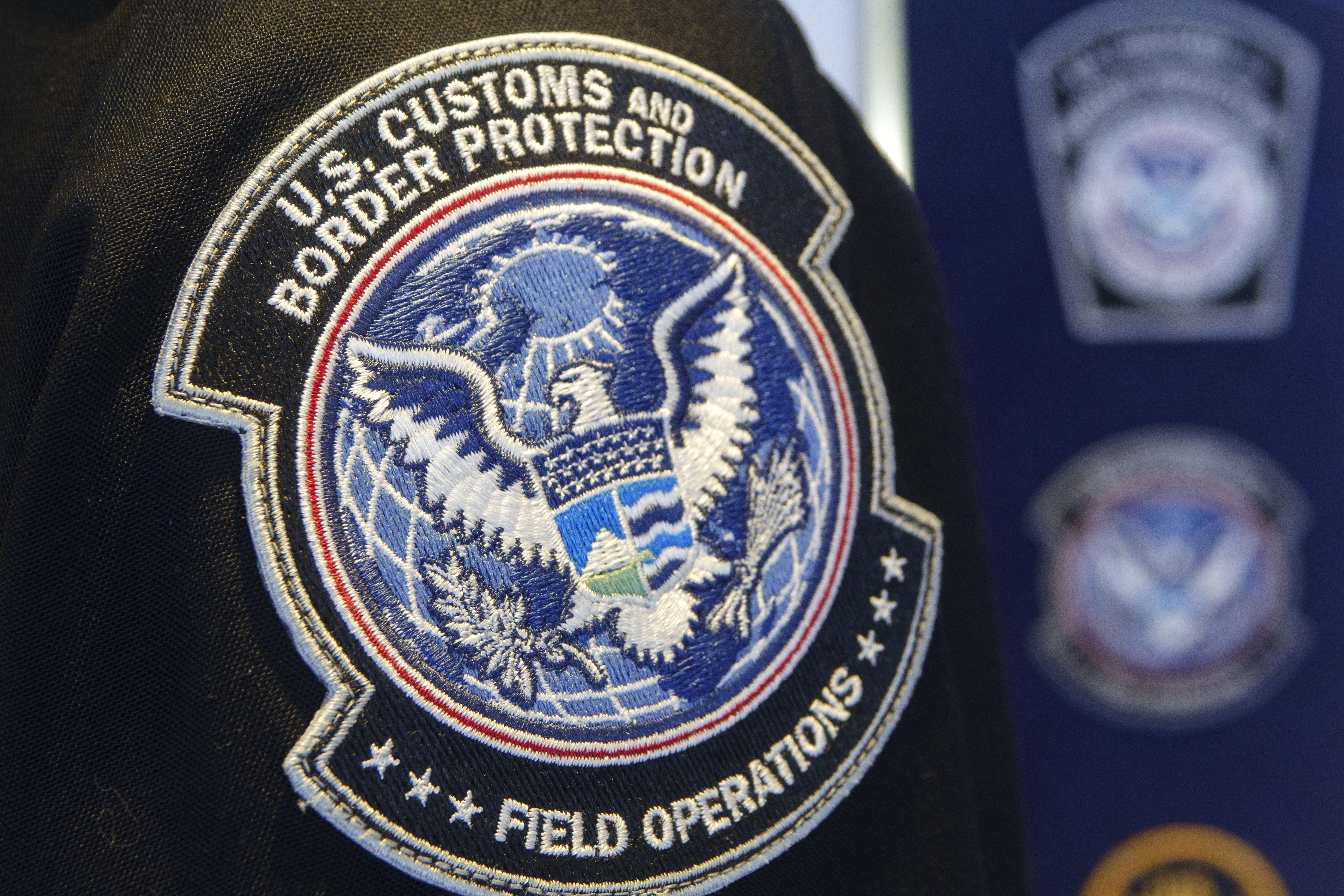
An Argentinian-American writer and immigration advocate recently sued the federal government, demanding that it delete data that he believes was copied off of his phone when he re-entered the United States earlier this month.
According to the seven-page complaint, Thomas Kennedy said that a Customs and Border Protection agent at Miami International Airport physically searched his bags, questioned him about his books and magazines, and then demanded that he hand over his phone.
“[The agent] threatened me, saying that if I didn’t give him my phone, my interrogation was going to take much longer and they could retain my phone indefinitely,” Kennedy wrote. “I felt like I had no choice, so I handed my phone to the CBP agent.”
The agent took the phone away and only returned after approximately 45 minutes, during which Kennedy believes that data on the phone was copied. He was then released with no charges.
The activist says there is a significant amount of sensitive personal and professional information on his phone, and he is now seeking that the government delete this data.
He collaborates with multiple nonprofit groups, including the Florida Immigration Coalition, Amnesty International and the Community Justice Project. He now believes that he was targeted for this work, in part because he was asked repeatedly what he did for a living and if he was an immigration attorney.
“I believe CBP flagged me because of my organizing and political work around immigrants’ rights in Florida,” he wrote in his court filing. “This isn’t the first time that law enforcement targeted and harassed me because of my political viewpoint: in 2021, after speaking out against Governor [Ron] DeSantis, the Miami Police were surveilling me and barring me from press conferences.”
Border search exemption
Federal courts have long-recognized a “border exception” to the Fourth Amendment of the US Constitution, where people, bags, and electronic devices can be searched without a warrant.
Kennedy’s story is reminiscent of a 2017 incident at San Francisco Airport, where a local artist explained to Ars how border agents there allegedly threatened to “be dicks” if he did not hand over his phone.
On its website, CBP states that it can copy such data “if there is probable cause to believe that the information contains evidence of a violation of law that CBP is authorized to enforce or administer” or “if the information relates to immigration, customs, or other enforcement matters.”
CBP says that such searches of electronic devices are very rare.
“In [Fiscal Year] 2025, out of the over 419 million travelers CBP processed at ports of entry, CBP only searched the electronic devices of 55,318 international travelers,” the agency wrote, or 0.0013%.
Still, Kennedy is angry about what happened to him.
“CBP shouldn’t have been able to confiscate my phone, let alone copy its contents,” he wrote in the complaint. “I believe they did so to suppress my political speech.”
The case was first reported by the Miami New Times.