Searches for Samsung foldables just happened to skyrocket following iPhone Duo unveiling.
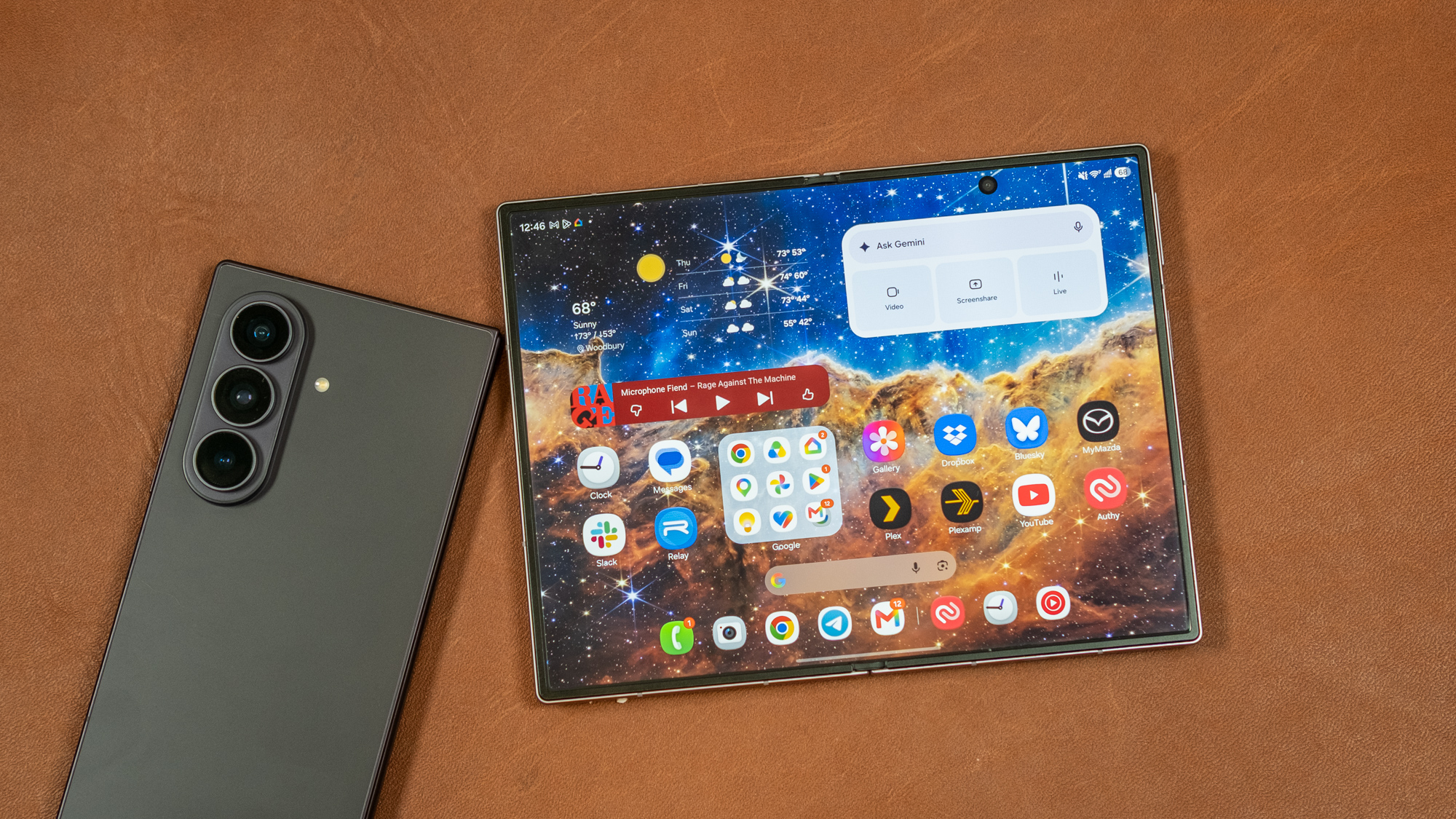
Android-powered foldable phones have been available for years, but most people never paid attention to them. As predicted, that could be changing now that Apple has entered the folding phone market with the iPhone Duo. Analysts have speculated that Samsung’s Z8 foldables were seeing a boost from the iPhone announcement, and now Samsung has seemingly confirmed that.
In a new blog post, Samsung UK crows that the company’s 2026 foldable lineup is moving much faster than last year’s models. Compared to the Galaxy Z Fold 7, combined European sales for the Galaxy Z Fold 8 and Galaxy Z Fold 8 Ultra are up 45 percent. Samsung isn’t talking about Z Flip 8 sales, but it previously noted that its larger foldables made up about 80 percent of foldable purchases. We can assume any increase there is not impressive enough to mention.
The reason for flat Z Flip sales may simply be that Apple didn’t release a flip phone. Unsurprisingly, Samsung doesn’t mention Apple or the iPhone Duo in its press release. However, it does say that search volume for the Z8 series across Europe spiked 460 percent the week of September 6 to 12. And guess what was announced on September 9? Yep, the iPhone Duo. Z Fold 8 search volume across the entire month of September (when the phones launched) was up 260 percent.
Samsung noted last month that US preorders for the Galaxy Z8 series were trending 30 percent higher than last year, but it hasn’t confirmed any updated numbers for the US market. This meshes with third-party reports, which claimed Samsung was ramping up foldable manufacturing, particularly of the wider, iPhone-like Z Fold 8. The company isn’t talking about the proportion of Z Fold 8 versus Z Fold 8 Ultra sales, but it seems likely that Samsung’s wider foldable is doing better in the wake of Apple’s foldable announcement.
Are foldables cool now?
Samsung released its first foldable phone in 2019, and it was the only company seriously pursuing the form factor for several years. Those early devices were clunky and more interesting as feats of engineering than as things you’d want to carry around all day, but little by little, foldable hardware improved until Apple could finally release the product it wanted. The iPhone Duo is not an island—it relies on many of the same components as other foldable phones, including Samsung displays.
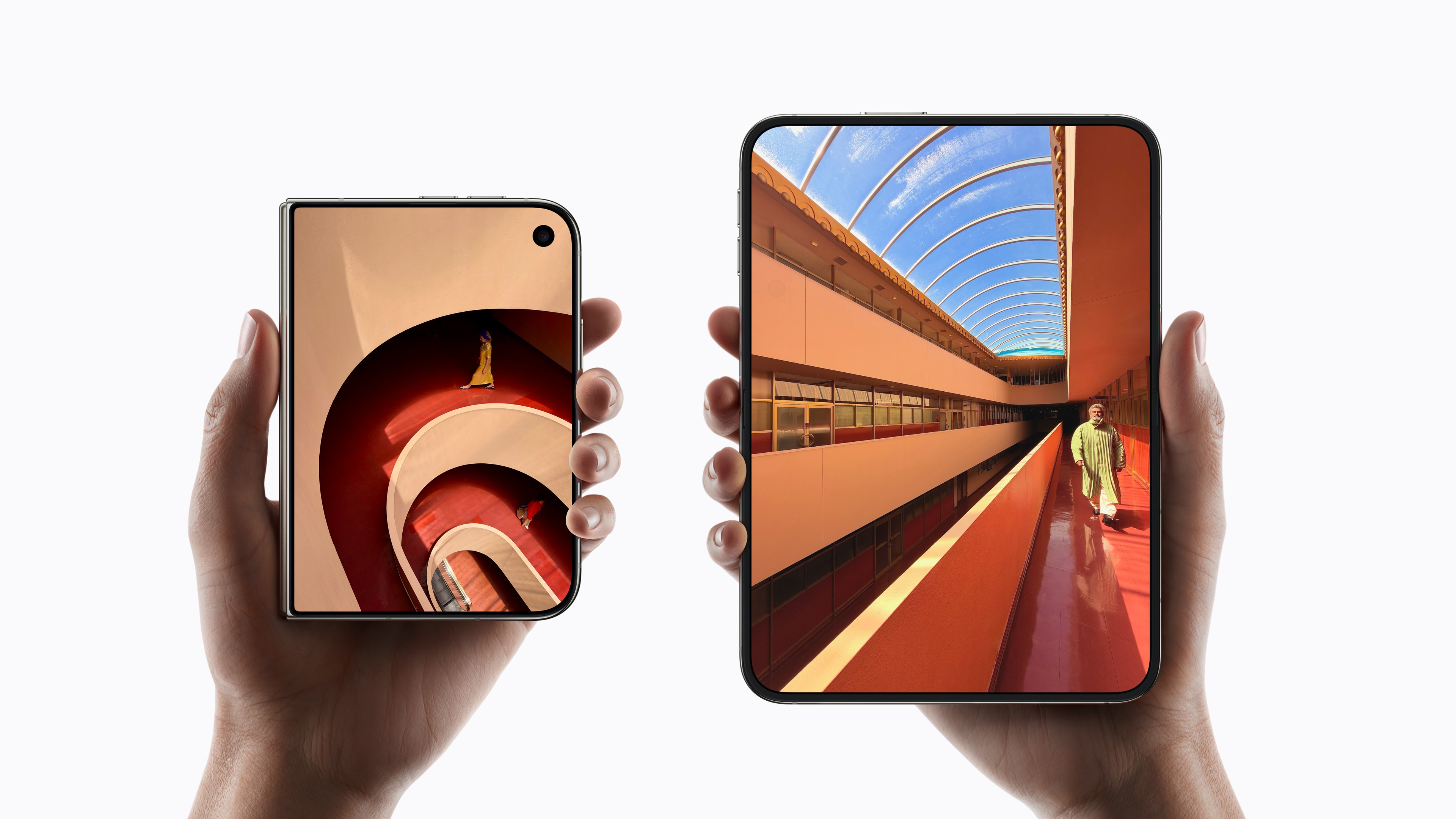
The Apple hype train is unstoppable, so increased interest in foldables was probably inevitable. Samsung expanded its foldable lineup with the non-Ultra model just in time, likely based on leaks of Apple’s device. But the wider form factor isn’t just a gimmick—it addresses several annoying issues with foldable phones. The main display is better for watching video with less wasted space. It’s also better for reading documents and using unoptimized apps (many of which are in the Play Store) in portrait orientation compared to square foldable screens. This is a positive change for foldable phones, and one we’ll probably see replicated by other OEMs in the coming months.
Regardless, foldable pricing is definitely cool. It’s hard to justify spending $2,000 on a phone, but at the same time, all devices are getting more expensive. With recent price hikes, the top-end flat phones from Samsung, Google, and Apple are only a few hundred dollars away from their foldable options. Foldable prices have inched upward, too, but not by the same amount. Apple even managed an uncharacteristically competitive (for a foldable) price of $2,000 for the iPhone Duo. Samsung’s wide foldable is a little cheaper at $1,900, and it has been discounted at a few retailers since launch.