We are registered a ready to go at SAP AI NOW. There's a steady flow of attendees buzzing around the NEC now, and we're 30 minutes out from the opening keynote.
As always, remember to keep tabs on our rolling live coverage for all the big announcements and talking points from the keynote.
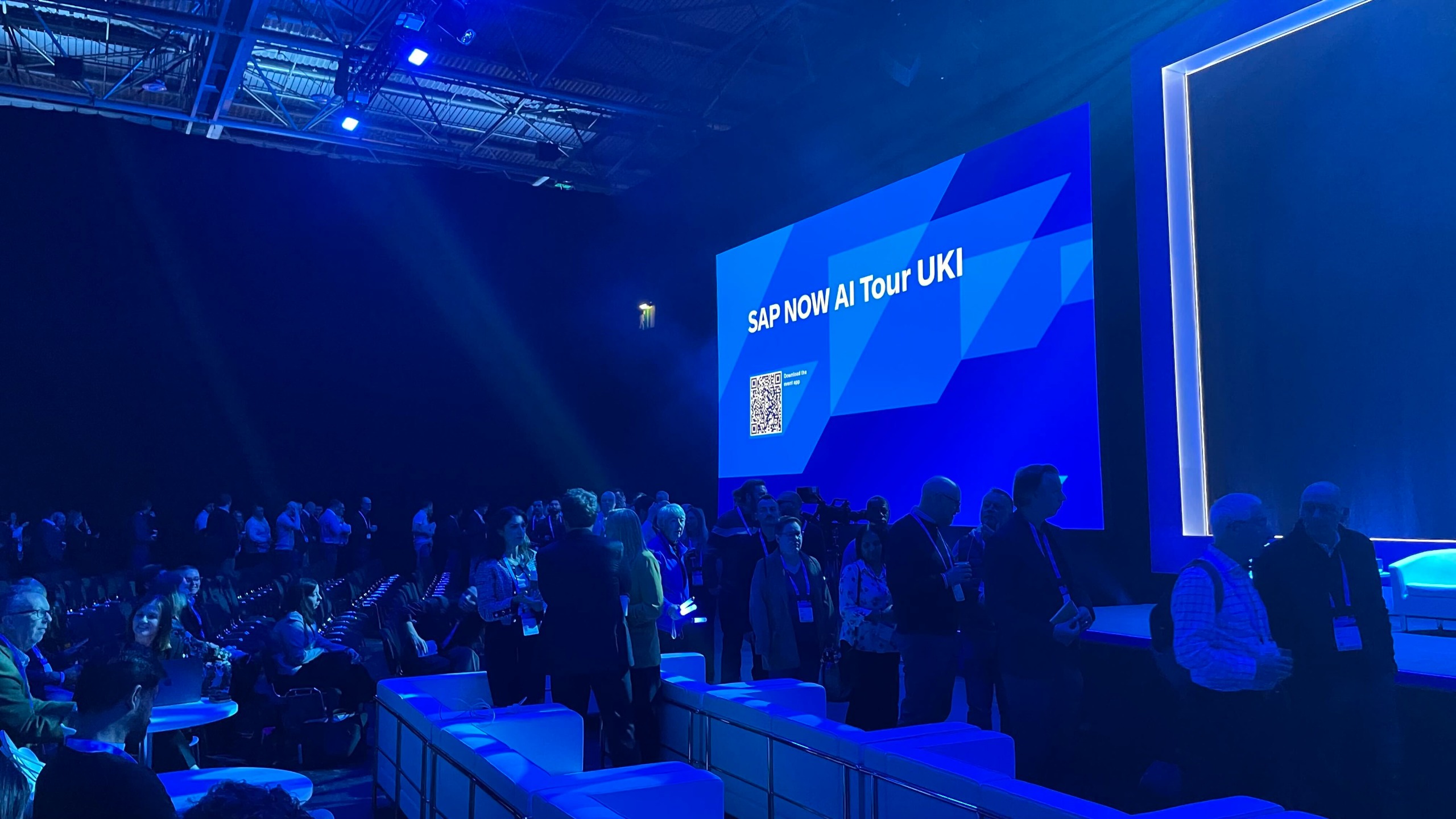
The auditorium is starting to fill up as delegates make their way in for the morning's keynote session.
Up first will be Manos Rapropoulos, followed by a customers session led by Naomi Weir featuring representatives from the CBI, HMRC, and Centric
Lights down, roll VT, the keynote is underway!
Here is Leila Roman, MD of SAP UKI taking to the stage. Apparently there are 540 companies here today "from startups to scale ups to some of the largest companies across the region".
Roman is explaining the reason that SAP AI NOW is on Tour – that as 'Number 10 North' has shown not everything has to be in London.
Harking back to the Industrial Revolution, she points out that the steam engine was invented here, Cadbury World was founded here, and, she says, it has the fastest growing tech ecosystem in the country.
Regional tech is something we've recently covered on the ITPro Podcast as well.
Now taking to the stage is Manos Raptompolous, general president of customer success Europe, APAC, and MEA
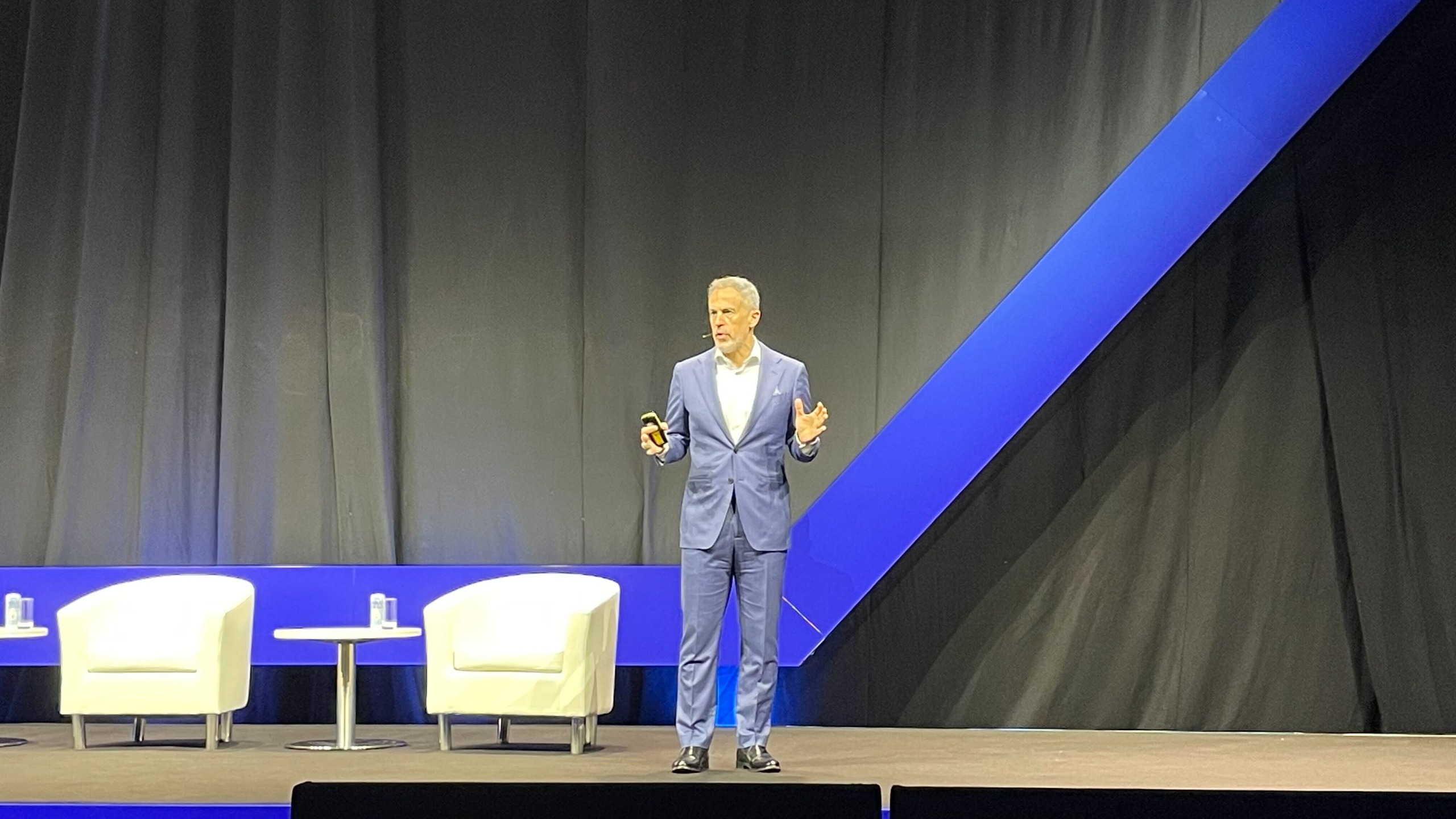
He's talking about the issue of value when it comes to AI.
"AI is probably a tool that definitely will bring business outcomes and will change the way that companies are run. It is here to provide significant value. So why is it that while every company right now using AI, we're not able to get tangible business value at an enterprise level."
"There was a study that was done from MIT that was saying that 95% of the projects of AI in companies care to deliver tangible business value," he says. "Why is that? Probably everybody in the room knows that already. LLMs are notoriously good in delivering specific outcomes, reasoning, but they are also notoriously bad or not so good in delivering some other tasks that you would consider simpler."
The classic issue of arithmetic is raised – LLMs can't even do a word count without calling on a secondary, more 'basic' tool.
Manos turns to another big LLM issue: tokenomics, or the token economy.
"If you speak to a CFO or to a CEO, the cost of the tokens that their own enterprises are consuming is becoming a big issue, and the most important issue is how to connect the cost that you burn when you consume tokens with the outcome that you get," he says.
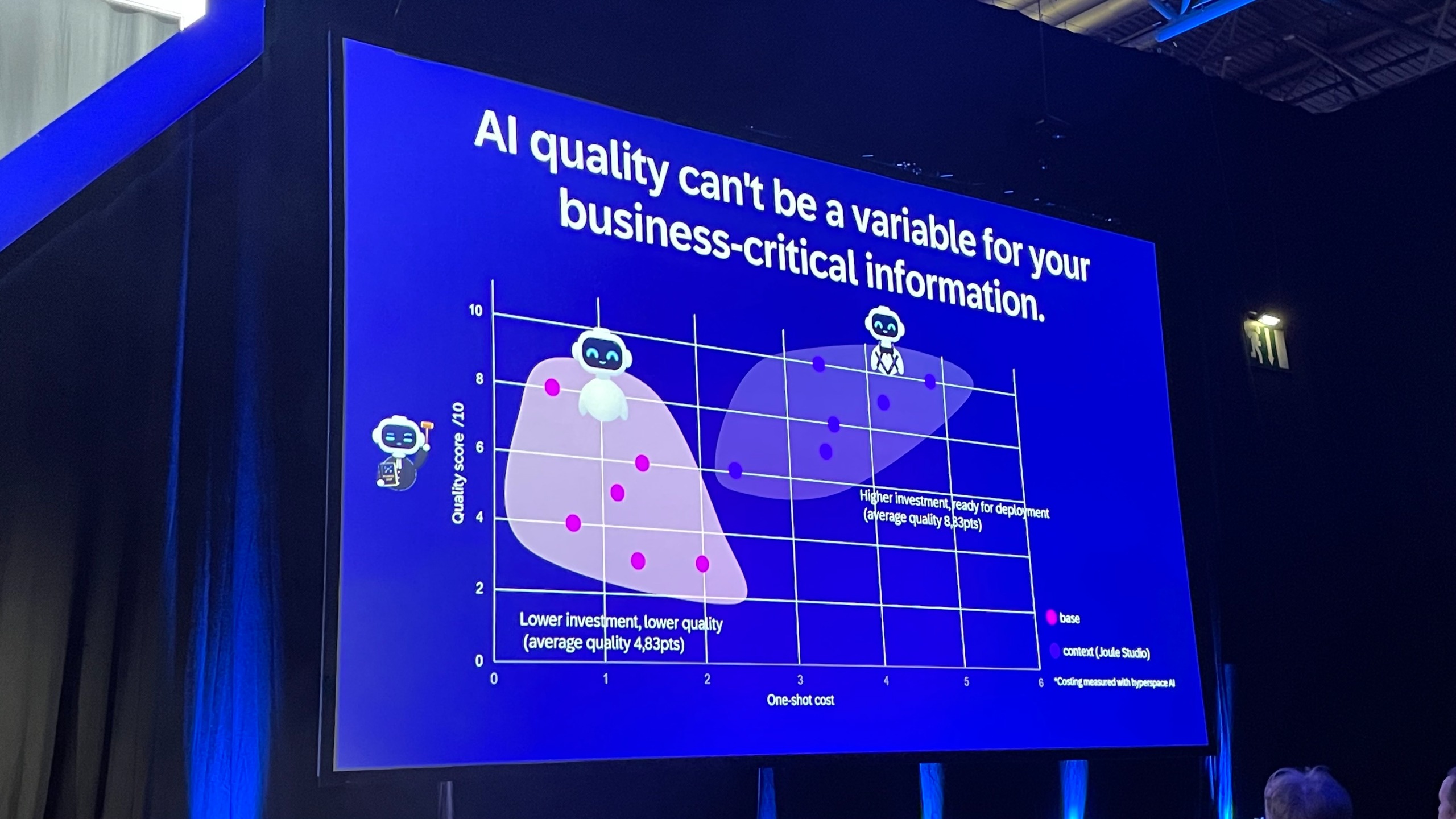
The final question or issue is context, he says. Customers and delegates may ask "Why should we use SAP in order to do that? Why shouldn't we go AI-native? Why shouldn't we take one of the frontier models out there and use them directly into our system?" he says. "While I do agree that those models are providing intelligence, there is a big difference between intelligence and context."
Failing intelligently due to hallucinations is still failure, he says.
According to Manos, running 'harnessed' AI with greater context can, he claims, reduce the number of tokens burnt and reduce hallucinations by 90%.
This leads us also on to the idea of the Autonomous Enterprise, which SAP has been speaking about over the course of the year since SAP Sapphire in May, which is powered by its Joule service.
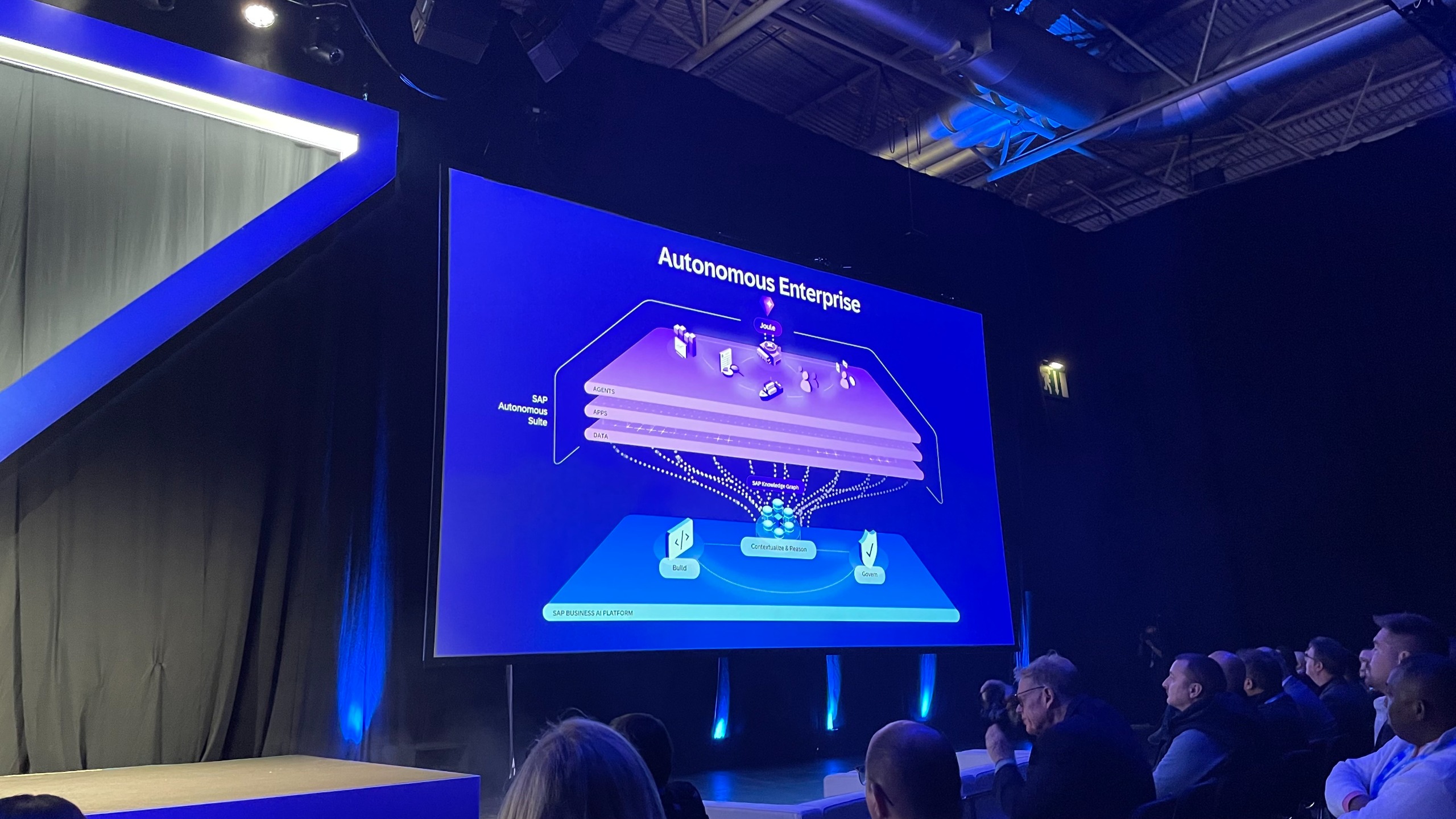
There are 5 key moments for AI delpoyment hs syas
- Data fabric – the most important and the only way that credible AI and AI results can be achieved
- Trust and adoption – You need to make sure that the AI is giving to you a result that you can trust
- End-to-end – customers across the world is that we have surpassed a period of narrow use case deployment, and we're now going across to reimagine even business processes
- Governance – stopping the "ultimate nightmare" for any CEO or CFO of agents going rogue with access to sensitive data
- Strategy – the final element, how far and how deep organizations want to go
With that, Manos hands back over to Roman.
Roman has been joined by Naomi Weir, Director of Innovation at the Confederation of Business Industry (CBI).
She's speaking about the challenges businesses face in general and that businesses even with limited headroom can't afford not to invest in AI technology.
"I think that's part of the question here today: is how do we help businesses within that environment think about it," she says.
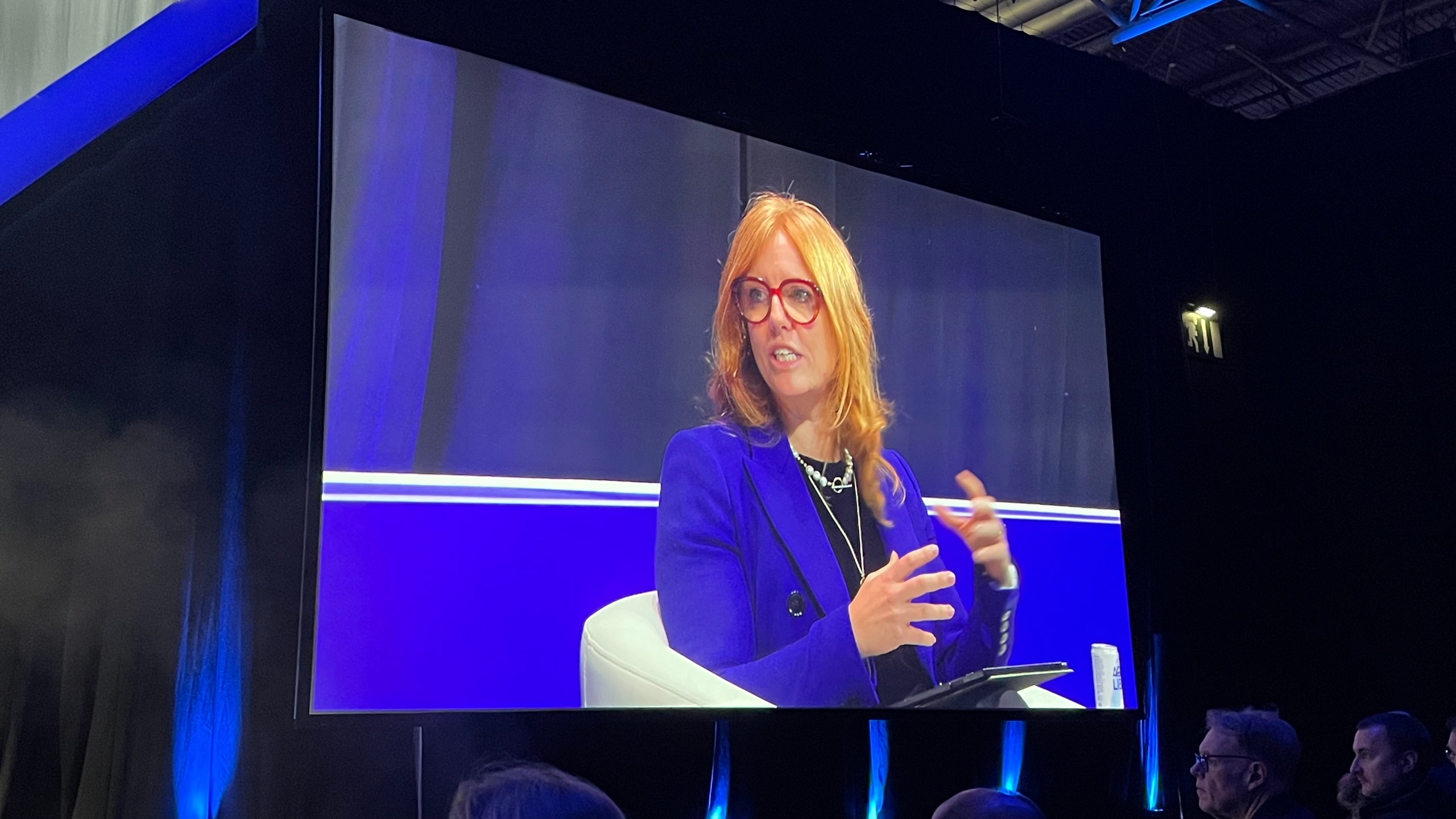
Weir is going over some of the findings from the company's Adoption Decade research, which looked at the opportunity for using AI in business.
"We really see that it's not about it's not about access to tech, but really it's that divergence and the ability to embed [AI] in operations and really get that value for businesses," she says. "That's where we're seeing the gap. So there's there's really broad investment, and but the depth and that turning into value is something that we're seeing that gap emerging across different businesses."
"It's great to see (AI) being taken really seriously"
Moving on to talk about how the UK government is addressing AI adoption in the UK, Weir says that as part of the Adoption Decade report the CBI has suggested an AI adoption business delivery group to sit alongside the UK Prime Minister's AI taskforce.
She applauds the government for what it has done so far. "Having worked in this area for a long time with government, I've never seen some of the structures that government have now put in place recognizing the importance of this technology and how they have a role in ensuring success in the UK," she says. "So we now have an AI minister at cabinet level."
"We have the Prime Minister's AI task force [led by Patrick Vallance that will take some of the] COVID task force expertise in bringing different parts of government together around a really big shared challenge. So it's great to see it being taken really seriously."
Weir and Roman are now joined by Daljit Rehal, chief digital and information officer at HMRC, and Darren Miles, group technology officer at utilities firm Centrica for a panel session.
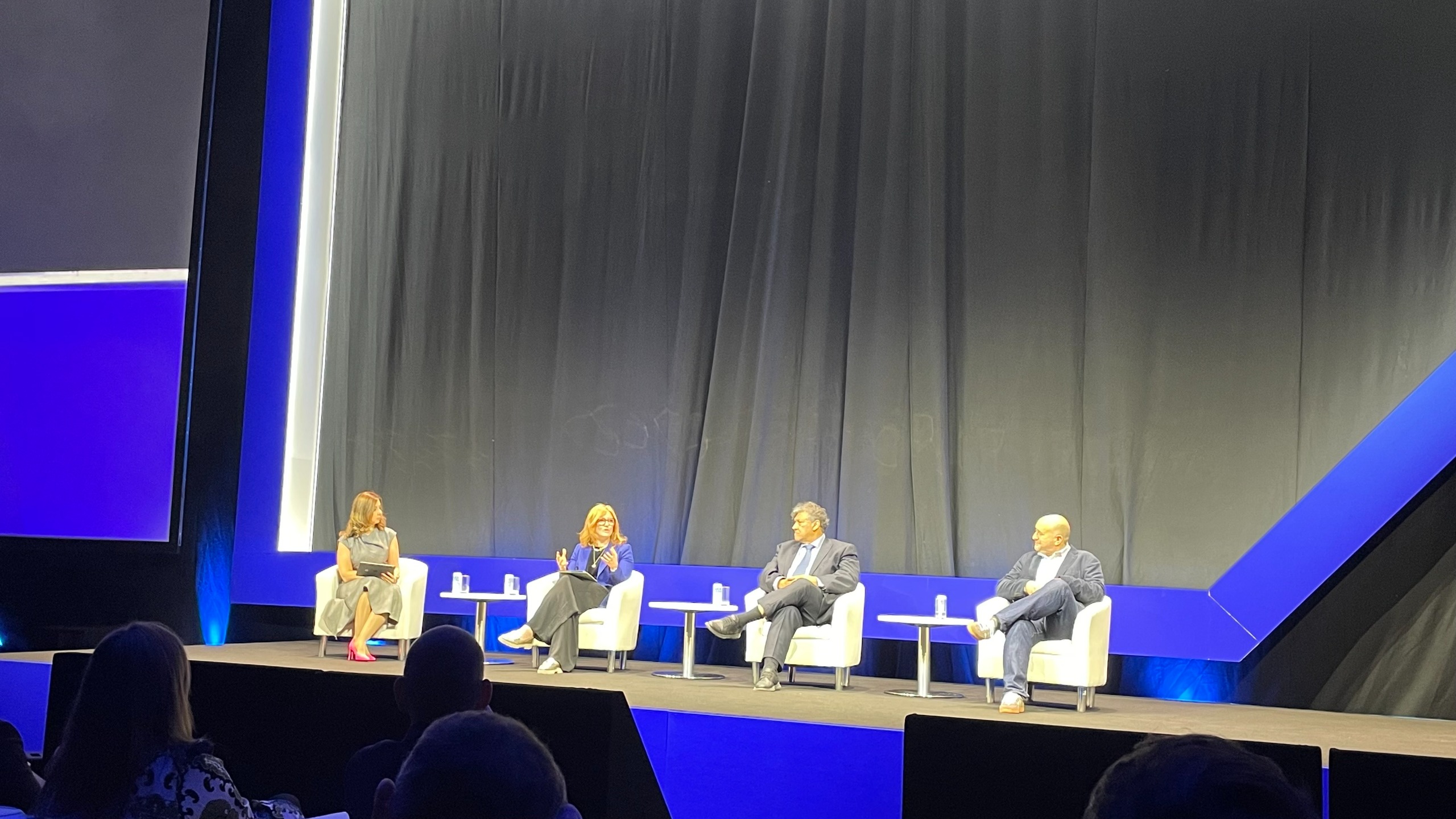
The conversation is focusing mainly on agents and data governance.
Rehal says that HMRC has to consider not only how AI is used in HMRC as an organization, but how it interacts with the citizens of the UK all of whom are 'customers' of the tax authority.
Centrica, on the other hand, is "rebuilding" the company, thinking about how it would work if they were creating it today in a garage in the AI age.
"Just because you've got some automation doesn't mean you're not accountable anymore"
The panel are also talking about the issues of what you do if a service is turned off, a supplier changes there terms, or if there's a crisis. The PHP security issue that occured yesterday, 21 October, demonstrates reasons why a kill switch might be used for widely used AI technology if there's a critical security problem.
"You will need a process like that if you've got something autonomous. How will that kill switch work?" Rehal says, adding "just because you've got some automation doesn't mean you're not accountable anymore."
We're wrapping up talking about final lessons.
Weir says it has to be people focused. "Businesses that bring their people and their customers with them are the ones who are going to see good outcomes in the longer term," she says.
Rehal sounds a similar note, saying that this is one of the biggest opportunities for teaching and upskilling workers ever and they need to be brought along and allowed to make mistakes.
Miles, meanwhile, says it's important to realise not only what AI technology can do, but what it can't.
"Technology can do so much, but equally, there are things around it, organisationally, decisions that need to be tackled (by humans)," he says.
Mark Smith, SAP's chief revenue officer for the company's business AI platform, is now on stage talking about one of the key themes of the day: value, or rather the lack thereof in most AI projects.
A demo, he says, is easy to create using publicly available content. An agent, even, is.
When he asks who in the auditorium has created an agent a forest of hands goes up.
"The next question I ask is how many people have built an agent that's driving a deterministic or probabilistic outcome for a mission-critical business process?" he says, and there's far less rustling of arms going up for that.
"If you're running a payroll process, I don't think any of your employees are going to be happy with 95% correct," he says. "They expect 100% correct, same as when you pay invoices today."
We're back on the autonomous enterprise – you can see the photo of that from earlier int his live blog. That is the 'north star' of SAP, he says.
We're now onto SAP Business AI Platform.
"We look at it from the three pillars: build, contextualize and reason, and govern. But underneath those three pillars really are the foundations," Smith says. "It's the platform beneath the agents which is absolutely critical."
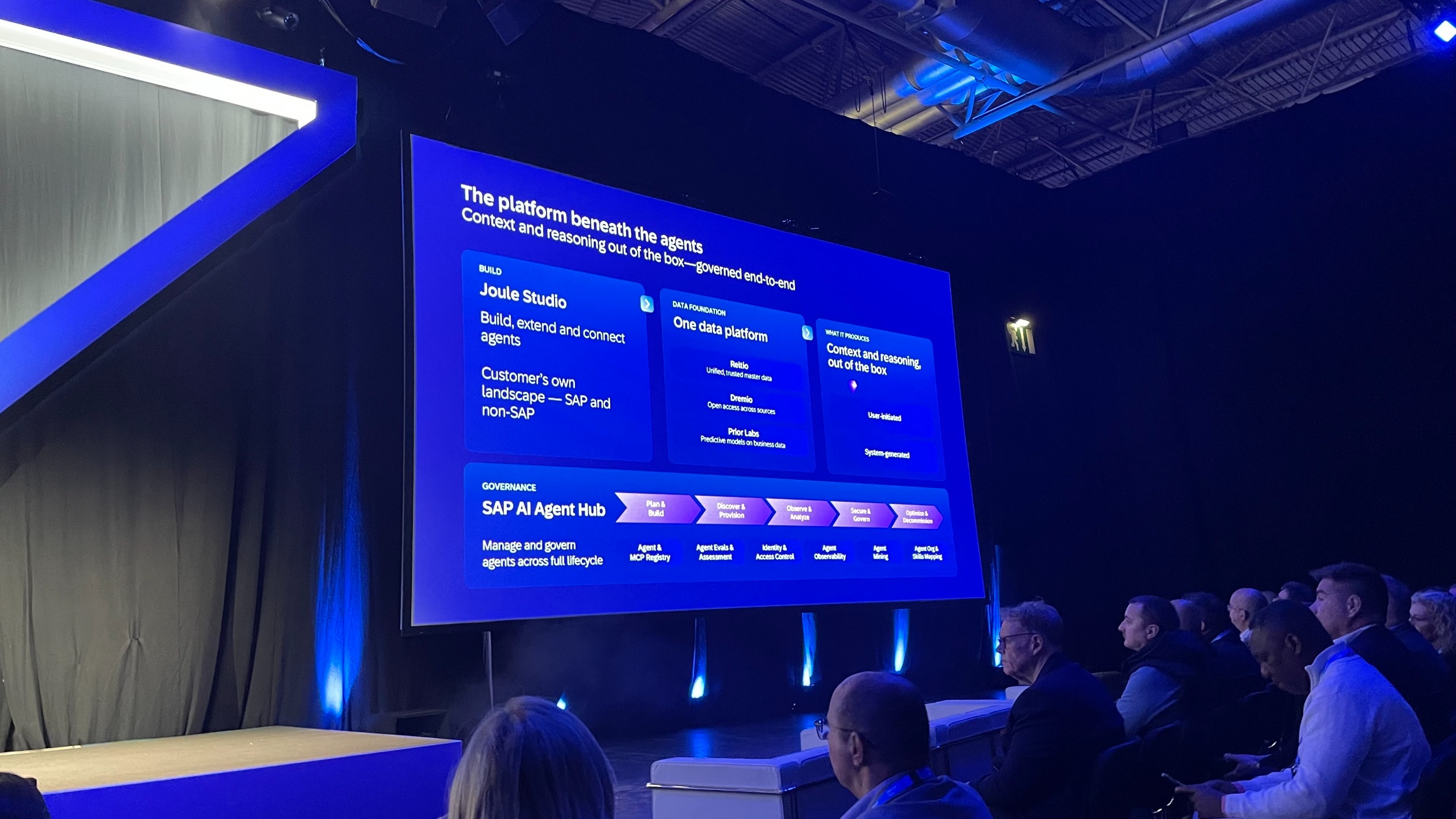
"We firmly do believe that SAP Business AI Platform is the this is business AI for enterprises," says Smith. "We want organizations to leverage what we provide out of the box."
The company will, he says, be launching 200 agents across the five autonomous domains. "All of these agents are now built on the business AI platform. They're built on Joule Studio," says Smith.
Now we have James Bates on the stage with guests Russ Smith and Jesper Schleimann for a smaller panel session.
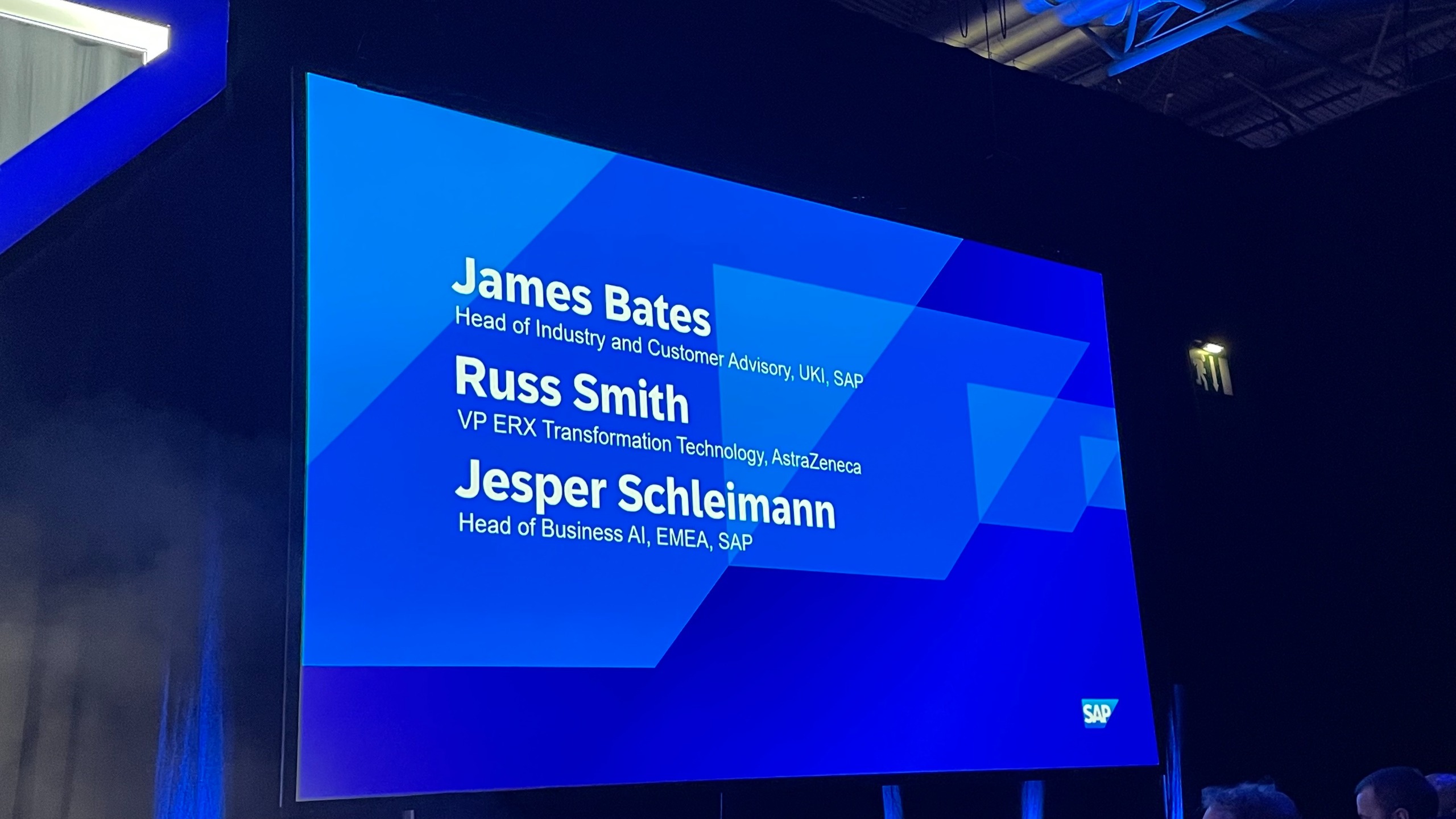
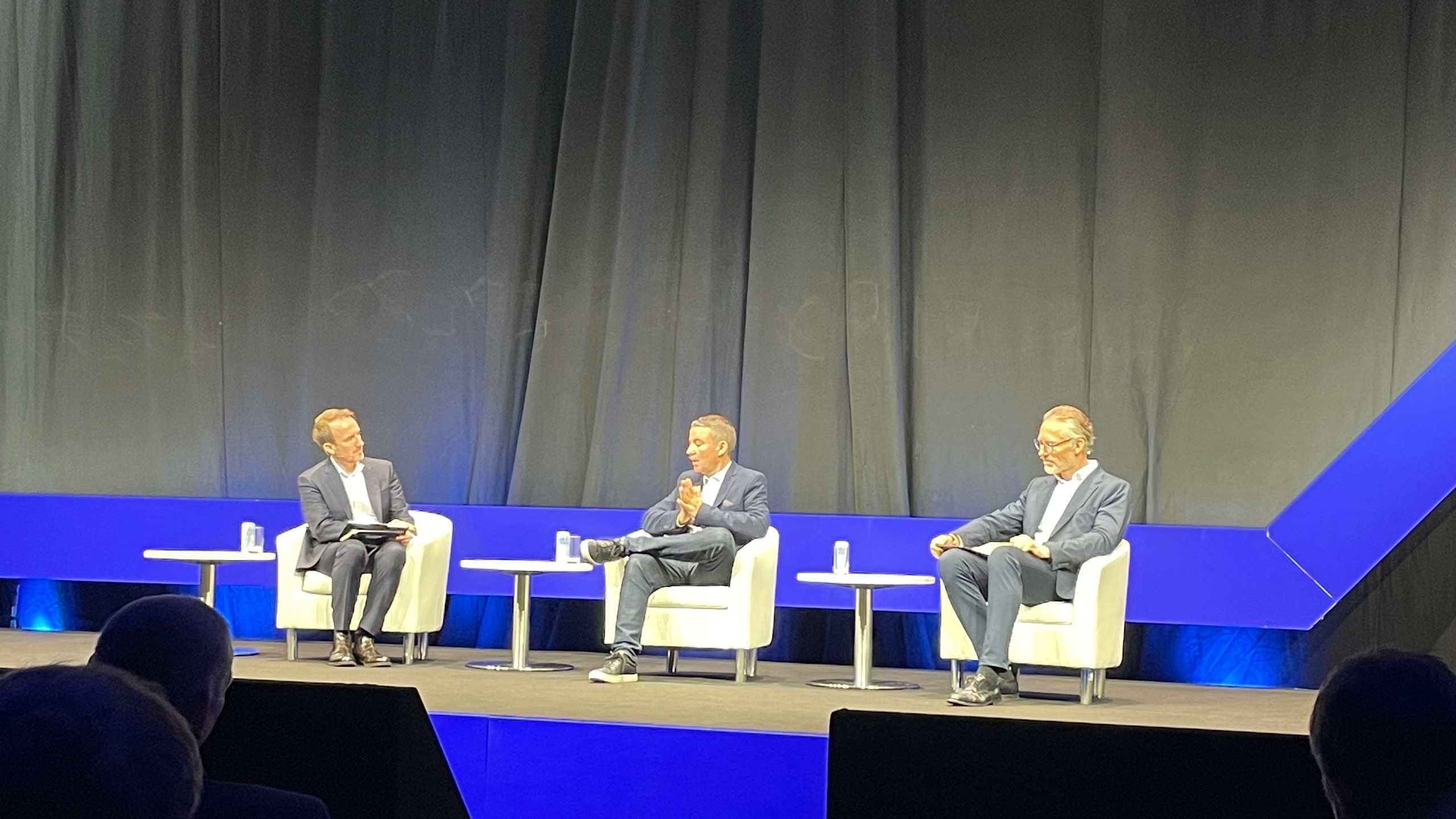
The panel are focusing on how to encourage AI adoption.
Bates says that Smith has been outspoken on social media about the importance of adoption and asks how that can be achieved.
"You approach it the same way you would any ever change problem. You start with the very clear articulation of what's in for them, and then you very clearly identify the end game and the business value that you're going after," he says.
Schleimann has a similar opinion. Employees need to understand how AI will benefit them, or they will resist adoption.
And that's it for this morning's keynote session. Stay tuned to this week, thought, for more from the event.