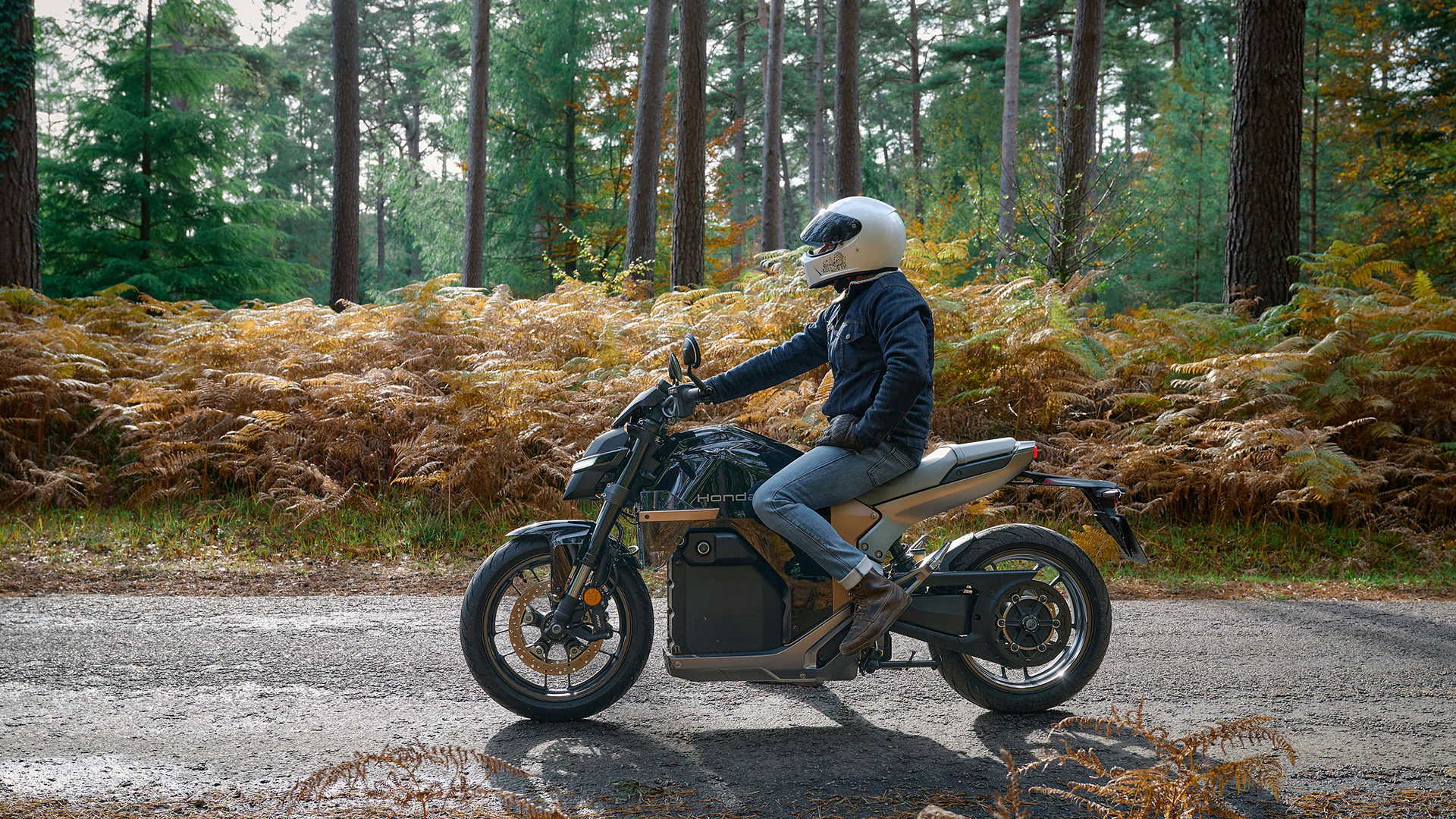
Up until this point, the electric motorcycle industry has been largely dominated by a brace of brave startups, keen on proving that battery packs and electric motors make the perfect powertrain for a two-wheeler.
Maeving has been plowing ahead with its retro-inspired range of excellent city bikes, while Zero has been refining its line of adventure and performance machines for more than 20 years.
There are more names to mention, but the sector hasn't yet experienced anywhere near the sort of sales figures that electrified passenger vehicles have. Perhaps it is crying out for a more recognizable brand to get involved?
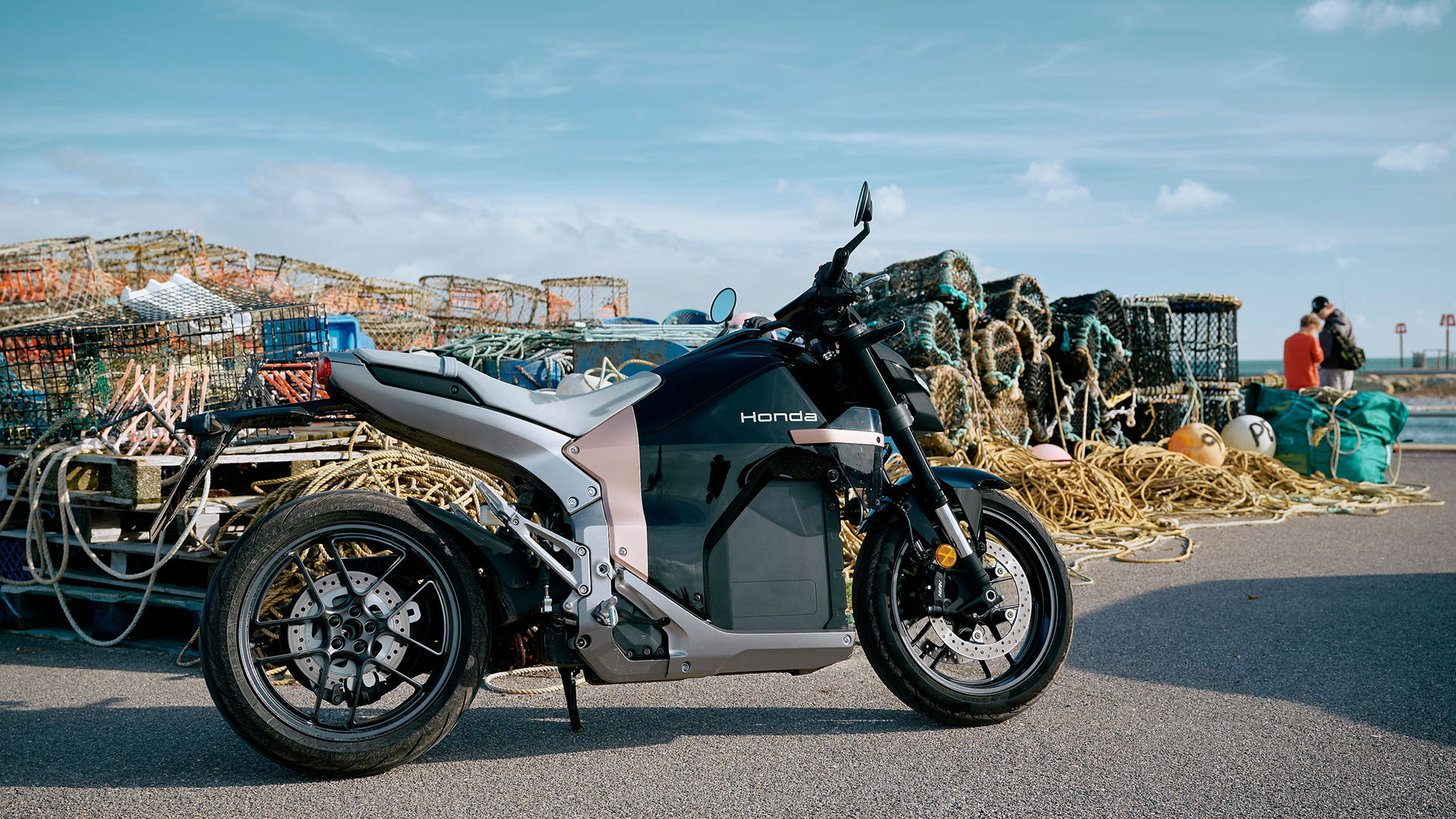
Now in steps Honda… one of the world’s most recognized automotive brands. After impressing with its CUV e electric scooter, it has decided to take things to the next level and release its first series-production, full-size electric motorcycle in the WN7. This could be just what the market needed.
Big bike, big specs
Let’s deal with the name first, because it is, by far, one of the worst things about this machine. The ‘W’ apparently stands for ‘Wind,’ while the ‘N’ represents ‘Naked,’ as in it doesn’t have a fairing.
The seven? Well, that’s an indication of where it sits in the lineup, a bit like Kia’s EV naming strategy.
As is the way with many electric motorcycles, the WN7 can be specified in two power outputs: an 11kW A1-license-friendly version and an altogether more powerful 18kW version for those with a full A2 license.
Of course, licensing regulations differ throughout the world (apologies if you’re reading this from the US), but you get the idea. It can be purchased and ridden by people with a range of experience levels.
But the quirk of electric motorcycling is that both models have a peak power output of 50kW, or around 67bhp, and a hefty 100Nm of torque.
In other words, even those with a more basic motorcycle license can experience some serious acceleration.
The 9.3kWh lithium-ion battery is a 'stressed member', so the big block at the front essentially acts as part of the chassis. For this reason, the batteries aren’t removable, but it looks cool and makes the WN7 handle like a real sport bike.
In typical electric motorcycle fashion, there’s no clutch or gear lever to contend with. It’s just a case of twisting the throttle and hanging on.
The brakes, thankfully, are laid out like those on a traditional combustion motorcycle, with a lever mounted on the handlebar and a pedal by the right foot that controls the rear brake.
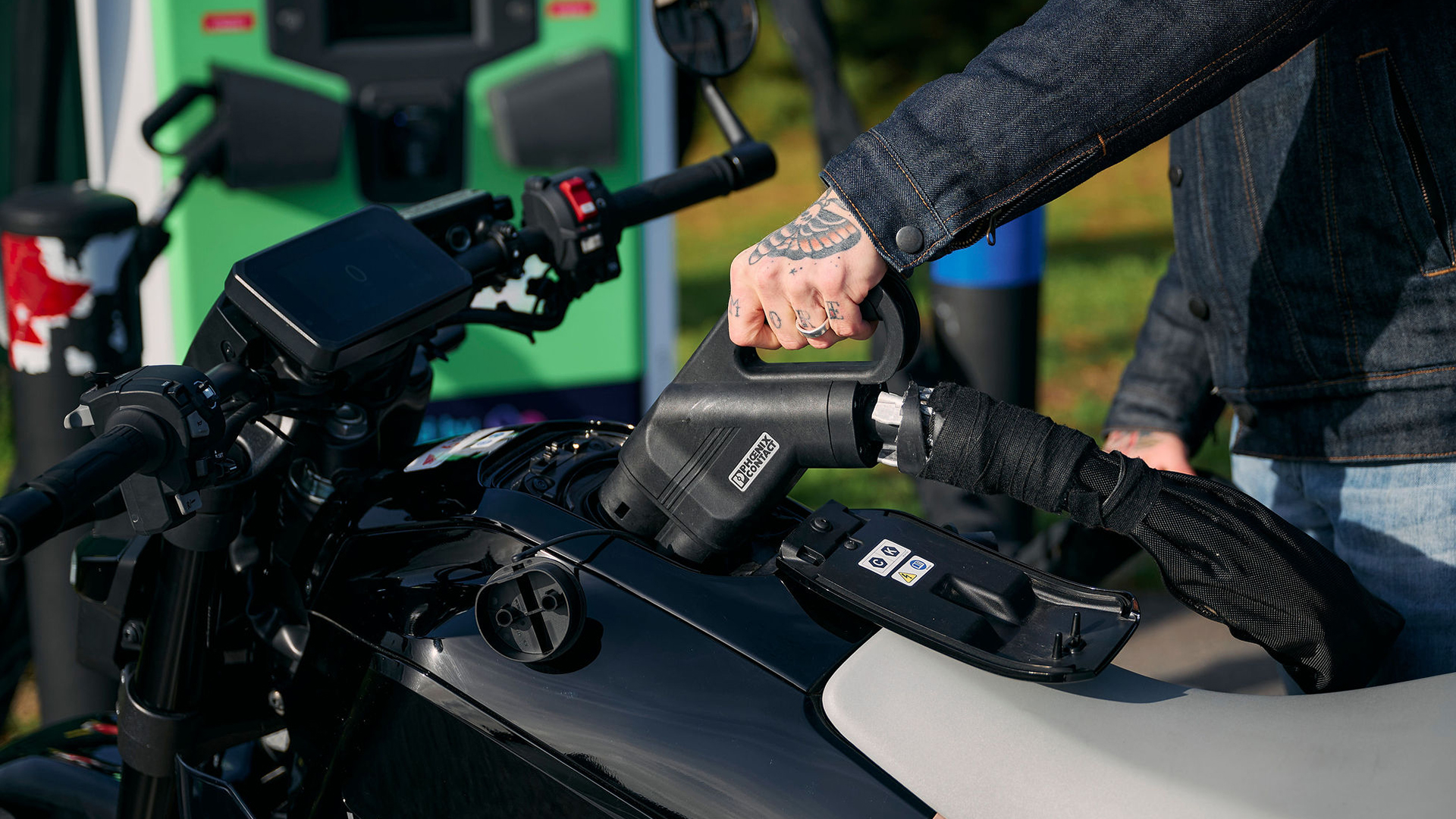
There’s a ‘tank,’ but it’s not filled with fuel. Instead, it houses the charging port, which can handle low-speed home charging as well as DC fast charging at public stations.
Honda says that using one of these, a 20% to 80% charge takes around 30 minutes. That’s enough for another 50 miles of riding in the time it takes to stretch the legs and an improvement on what Zero Motorcycles currently offers — although DC fast charging is promised for 2027.
Overall, Honda's claimed maximum range is 87 miles on a single charge, but, as you’ll see later, this is a tad unrealistic.
A mature ride
Firing up the WN7 is an interesting process. A remote key fob stays in your pocket, while a small ignition button on the frame turns everything on. From there, you pull in the brake lever, press a thumb switch on the handlebar, and it’s ready to go.
Cleverly, Honda has added forward and reverse assist, so it’s much easier to maneuver the 217kg machine at low speeds. Holding one of the corresponding buttons and gently twisting the throttle moves the bike backward or forward.
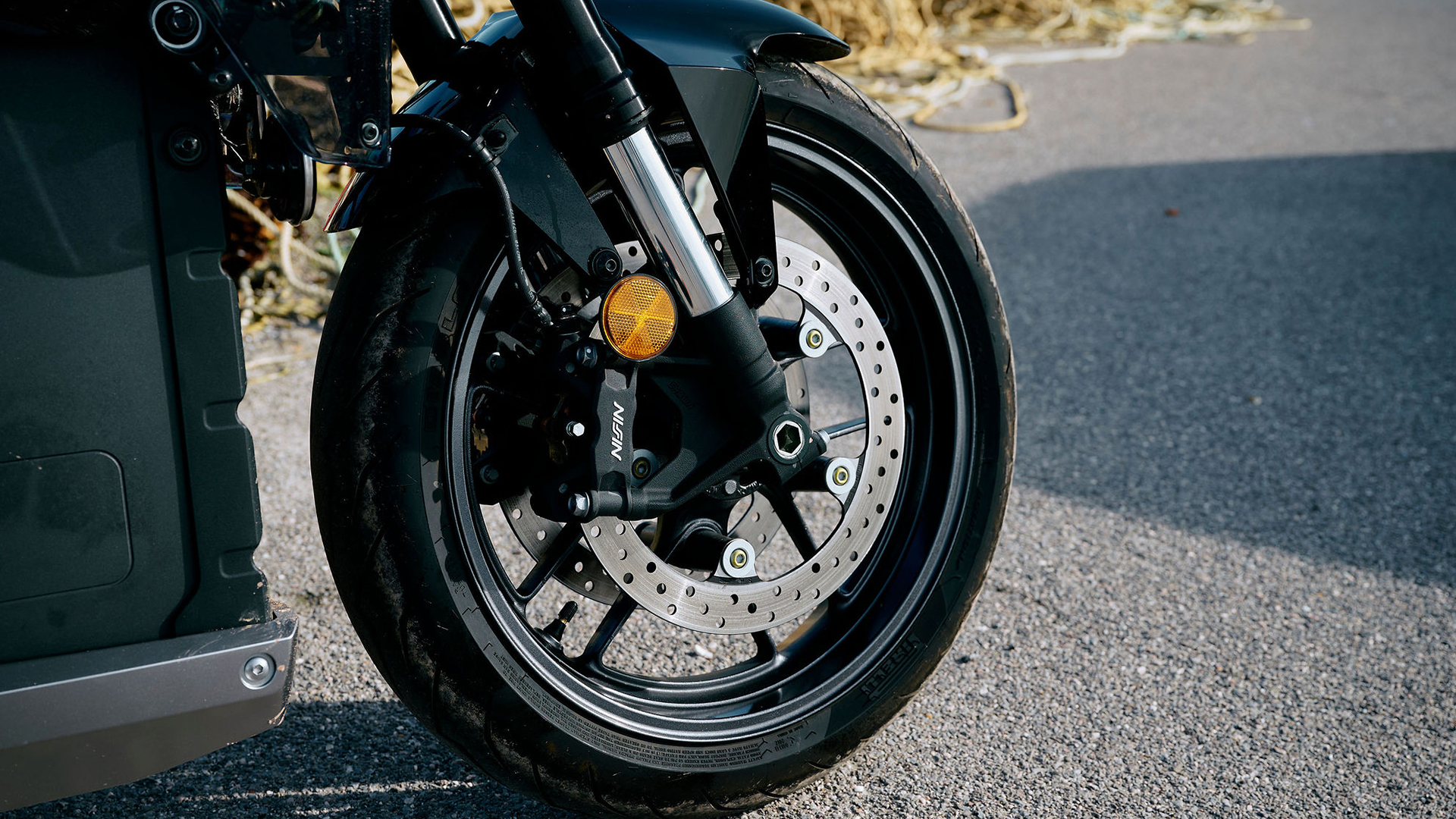
As you would expect from a Honda, everything immediately feels solid and well-built, while the decision to specify things like Showa inverted forks and large disc brakes with two-piston calipers up front inspires confidence.
The low center of gravity, aided by a whopping battery mounted low in the frame, makes it feel super stable, even at slow speeds.
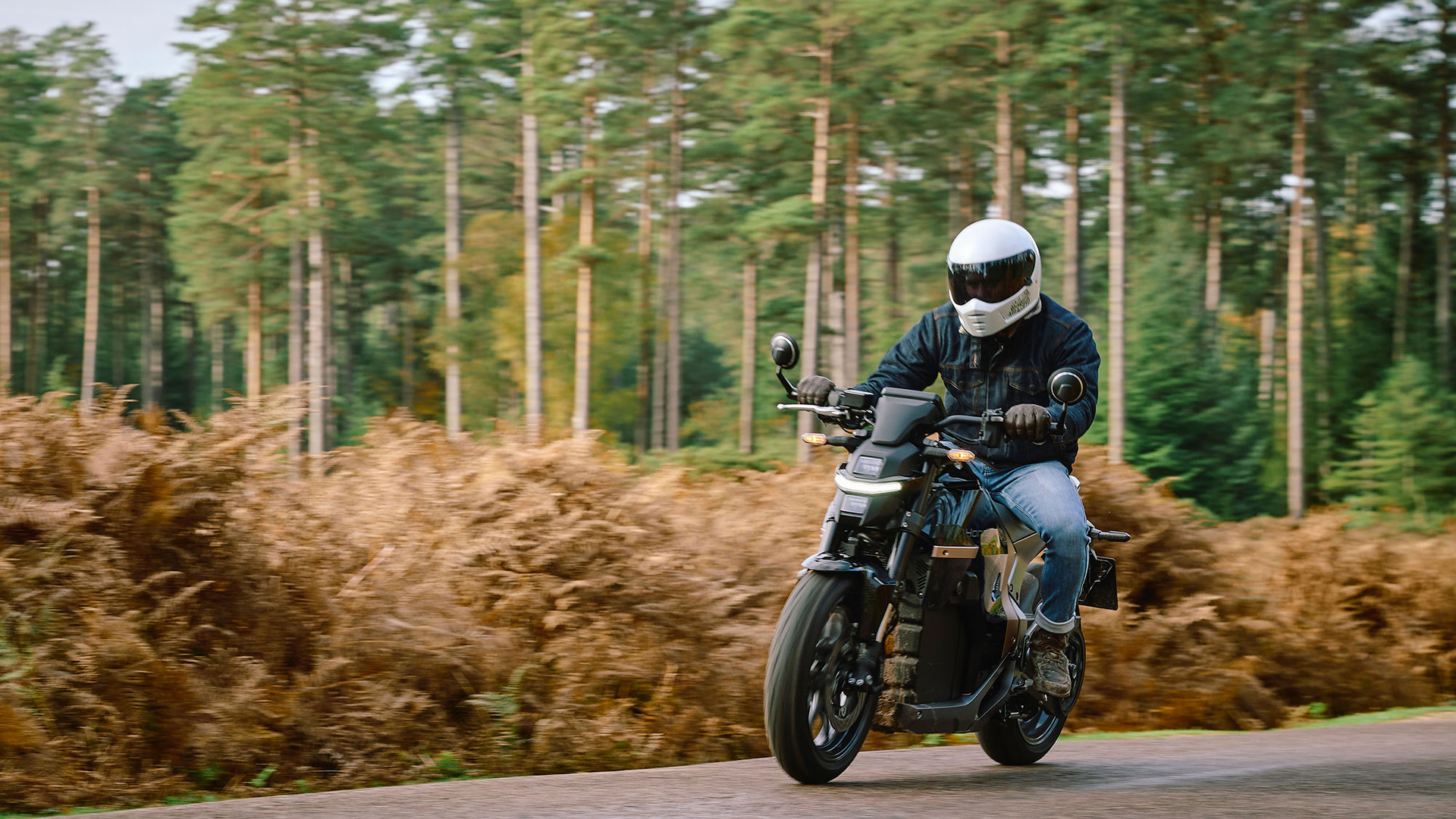
Plus, the adjustable regenerative braking, accessed via paddles on the handlebar, makes it easy to set the amount of ‘engine braking’ the bike delivers.
This is important, because there’s nothing weirder than rolling off the throttle only for an electric motorcycle to coast almost forever. Adding a touch of regenerative braking means the bike slows as you ease off the throttle, which will feel far more natural for anyone used to combustion bikes.
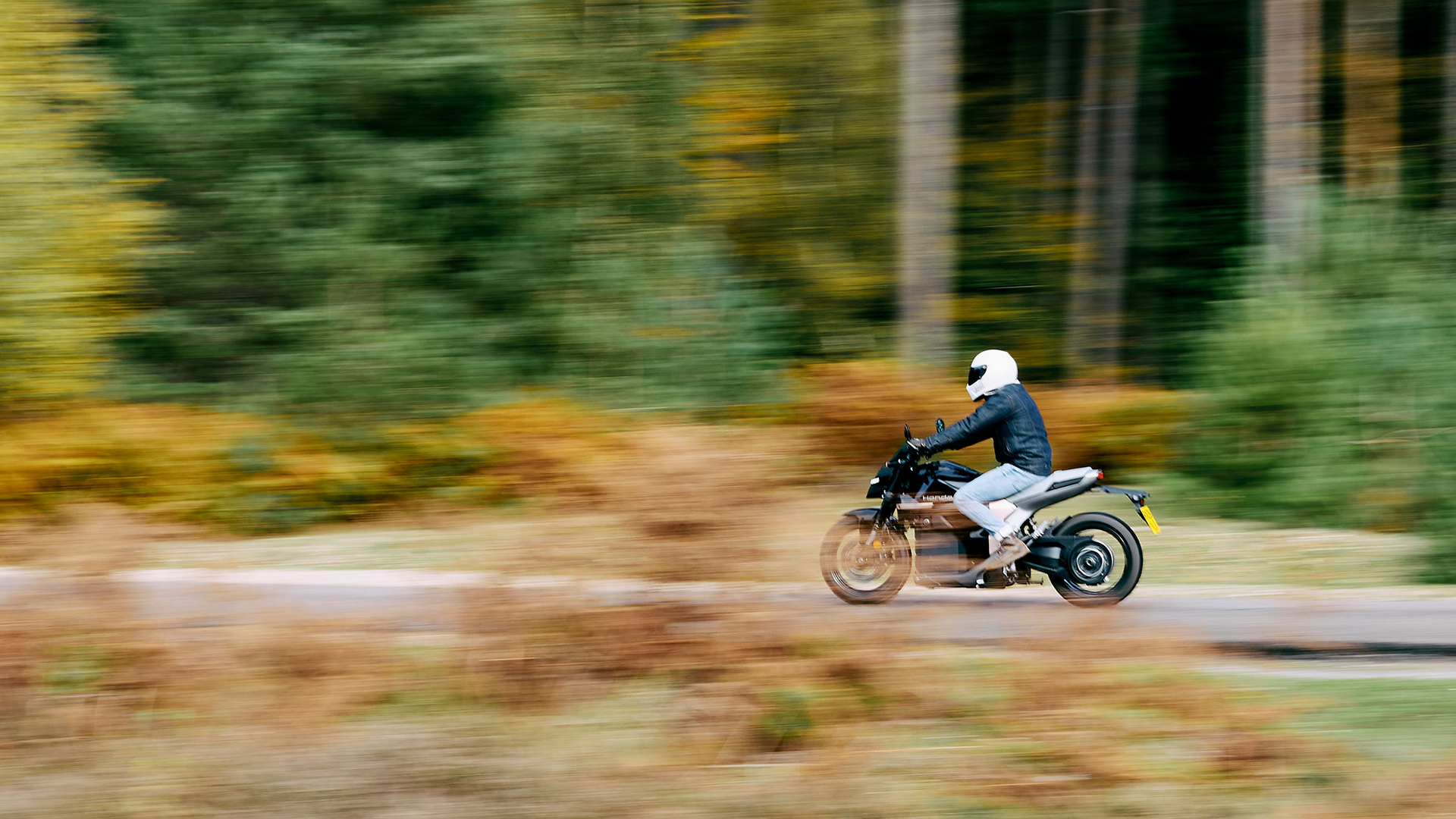
Performance is strong and, like many larger electric motorcycles I have tested, the acceleration is almost sickeningly quick.
A lack of gears makes the 0–60mph dash feel like being fired out of a cannon. Just pure torque and acceleration, before the WN7 runs out of puff at around 70mph.
The bike is limited to 80mph, so it’s great for overtaking on slower country roads, but I found it a bit disconcerting when traffic started moving quickly. On highways, for example, where traffic flows at a steady 75mph, the WN7 feels underpowered.
But, perhaps more importantly, this feels like a proper Honda product. Much like the CUV e-scooter, the Japanese marque has put its stamp on a category that sometimes lacks finesse.
Range woes
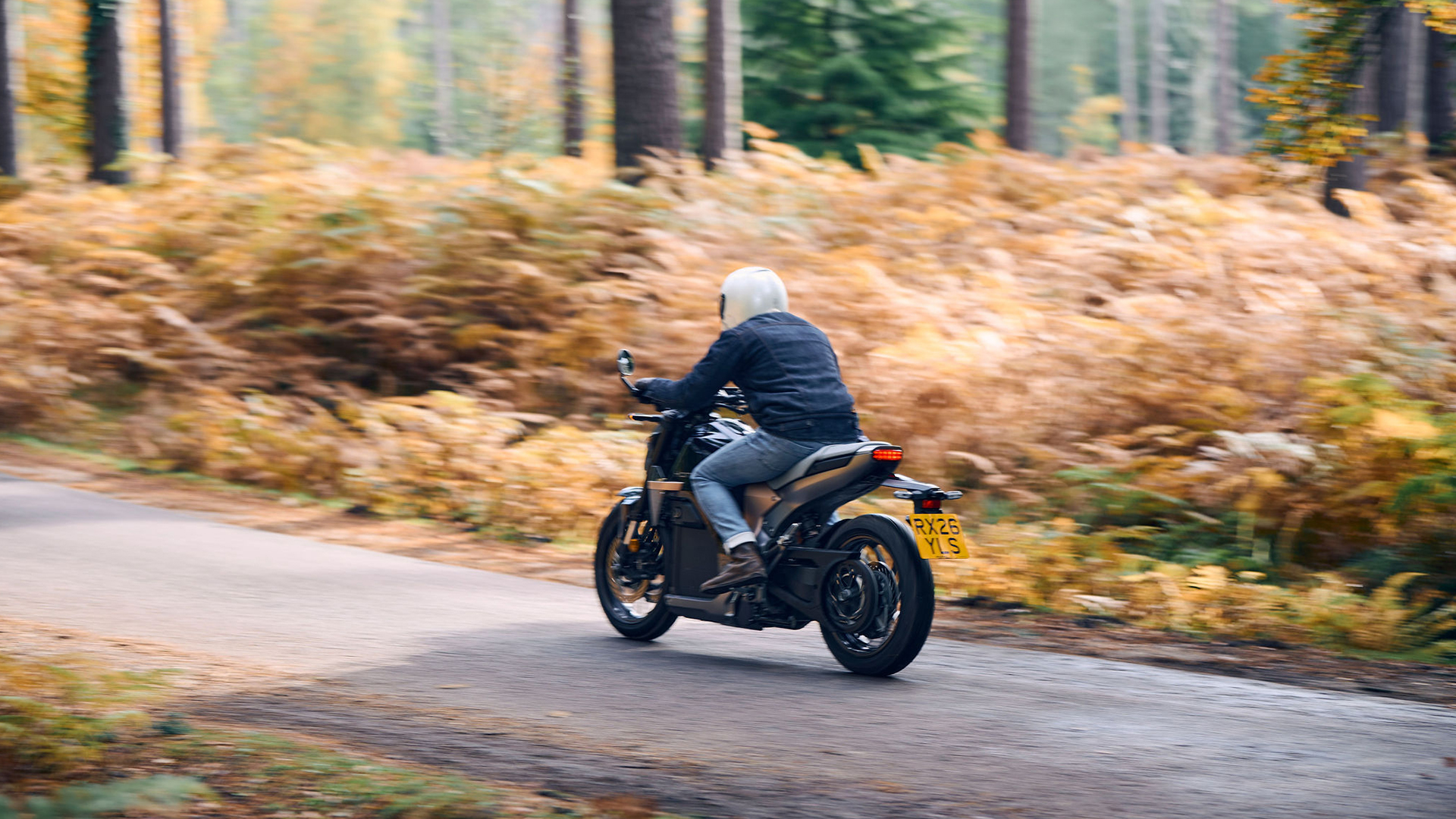
Aside from the uncomfortable seat, which looks like it has taken its color palette from a dentist’s chair, and the charging port, which likes to ping open with the mildest of touches, there’s a lot to like about the WN7 stylistically.
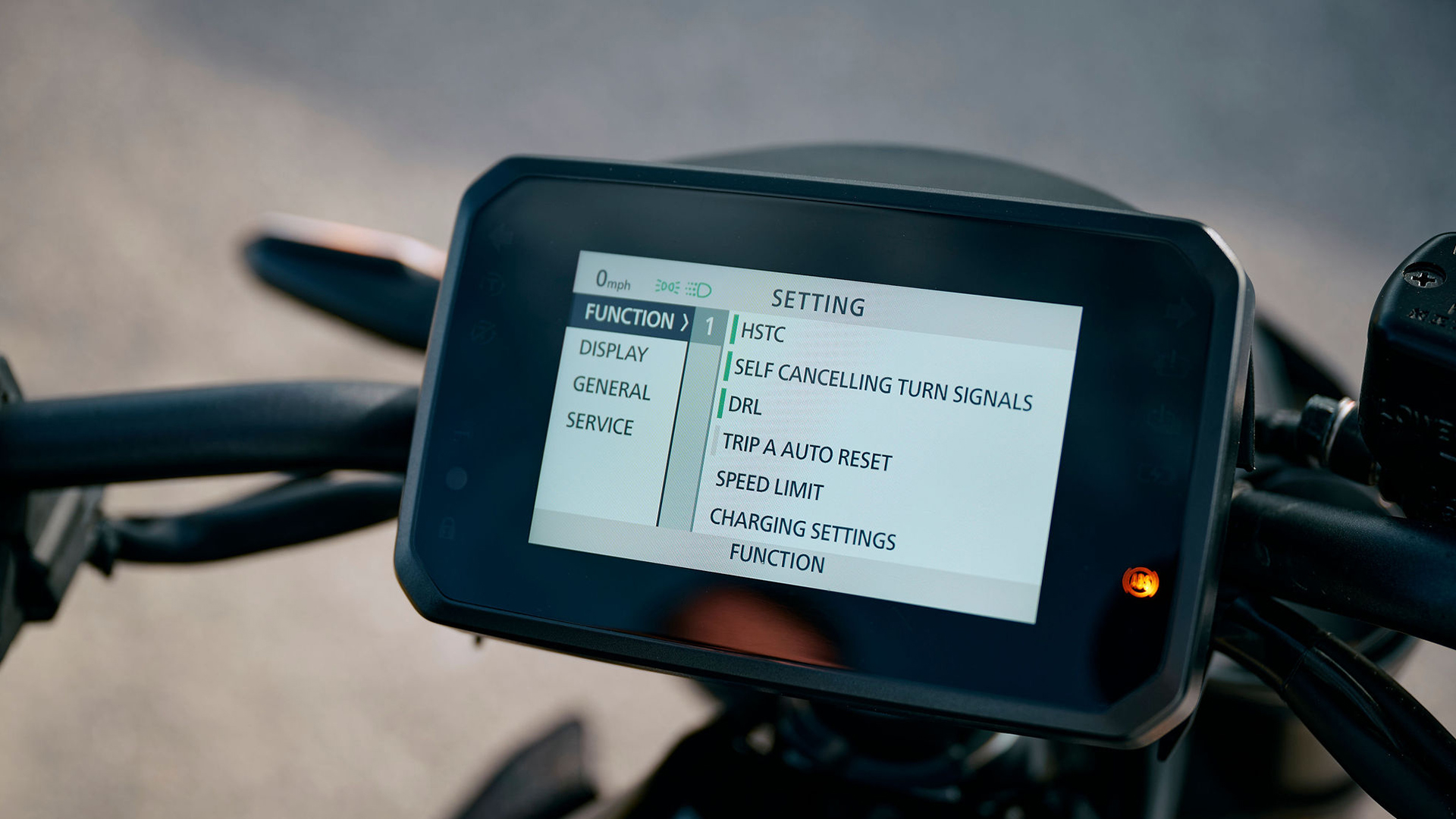
It’s sharp, futuristic, and looks like very little else in the current Honda lineup. The massive TFT dash is ultra-bright and controlled via simple switchgear on the handlebar, although Honda has missed a trick by not adding true smartphone mirroring.
Instead, there’s a Honda RoadSync smartphone app that connects via Bluetooth and offers very simple navigation on the display, as well as music controls and some EV telemetry.
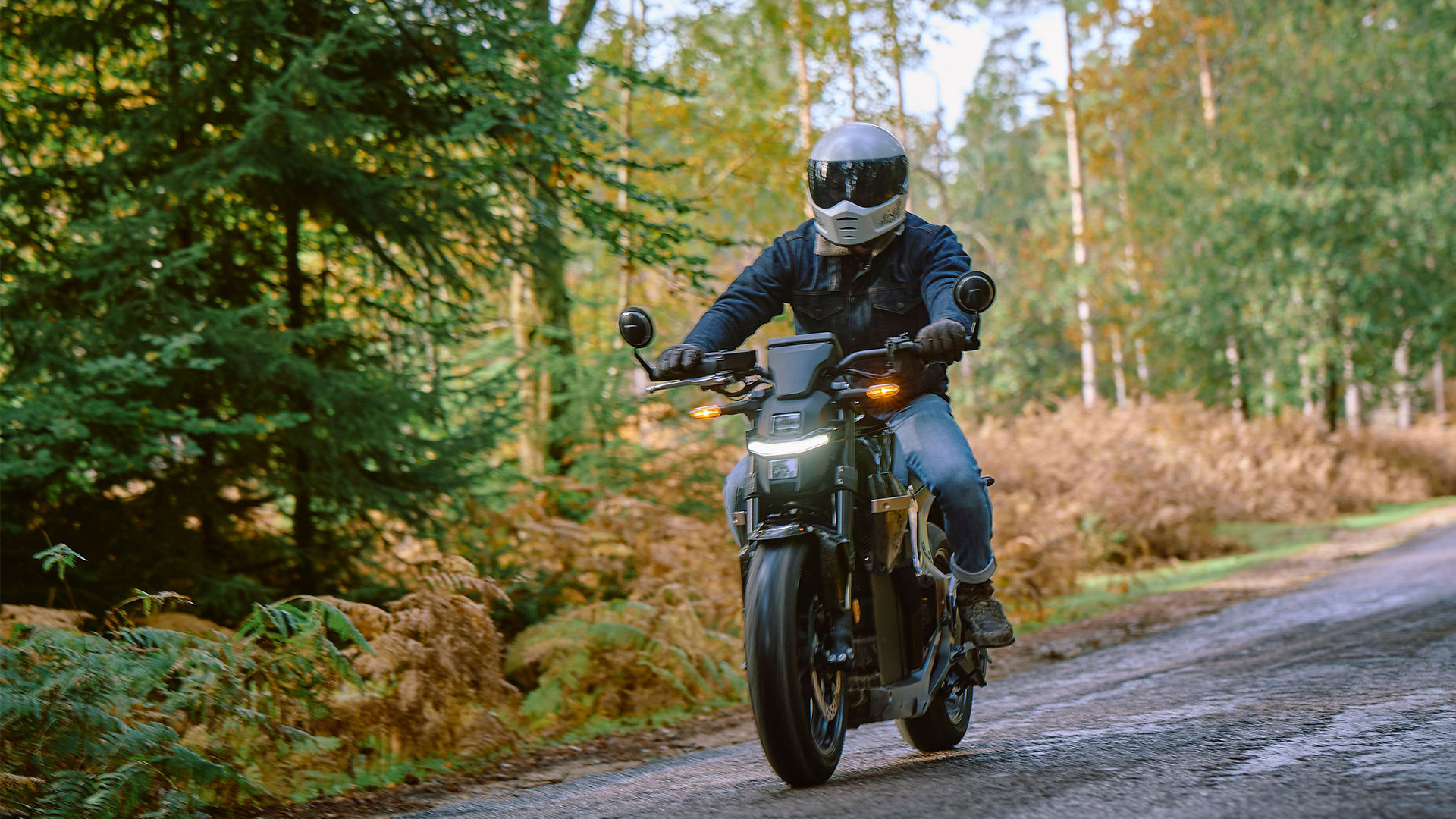
But pull over at an EV charging station and you’ll be accosted by bikers and electric car drivers alike. It’s a proper head-turner and conversation starter.
Get used to it, because you’ll be stopping at charging stations a lot (unless you tuck it away in a garage and sensibly charge overnight). The range is still just as much of an issue as it is with Honda’s rivals.
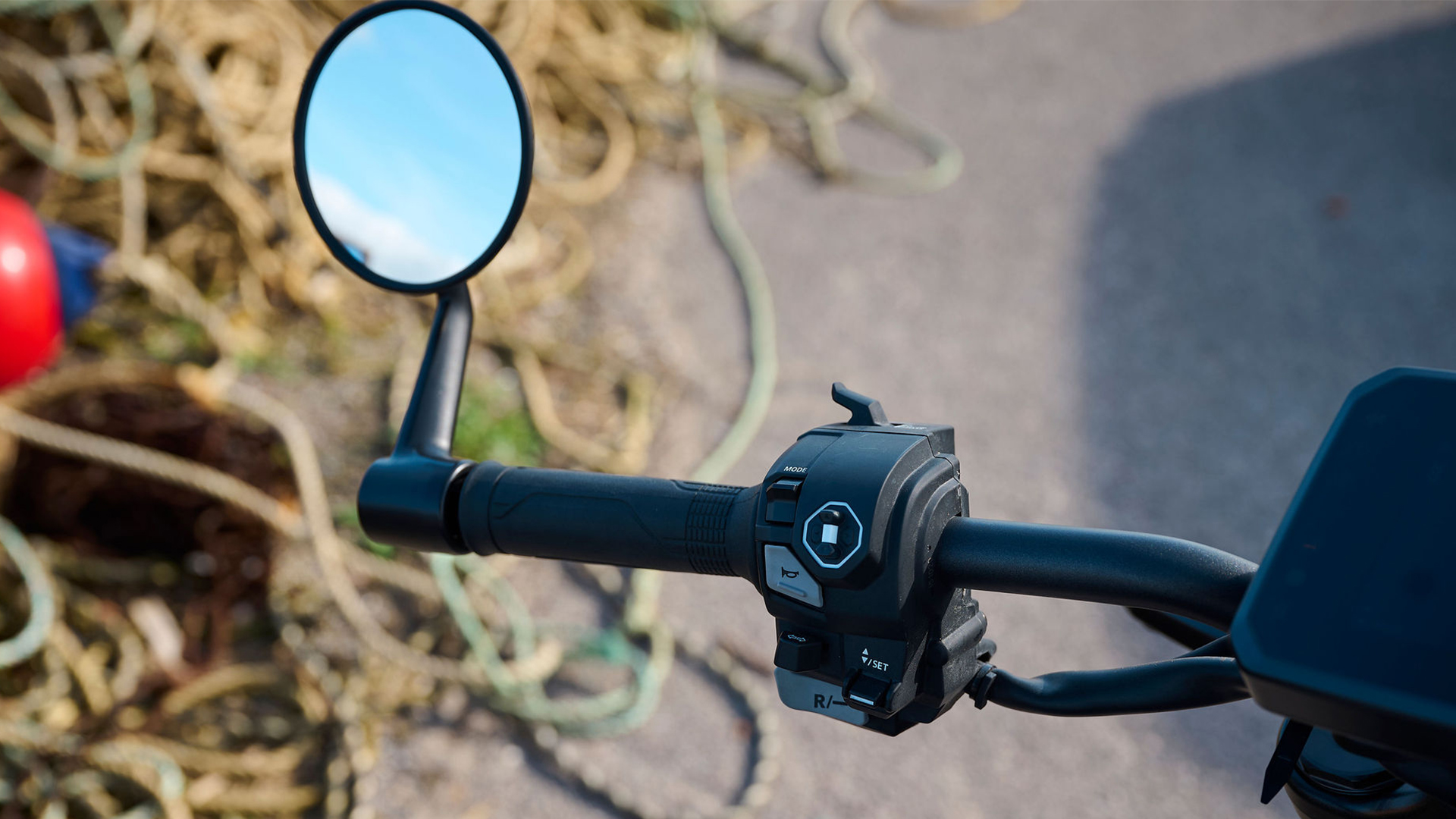
The advertised 87 miles might be realistic if you simply use the bike for a quick dash across town, but the bike slurps juice like a thirsty character anywhere else. During an admittedly very cold loan period, I watched the range drop in front of my eyes while enjoying the 60mph forest roads nearby.
During one day spent with it, when I captured the images for this feature, I probably covered around 50 miles on a full charge and managed to limp home with 5% battery remaining.
Priced to compete
It feels cruel to get all this way and not mention the price. At £12,999 in the UK (around $17,200 / AU$25,300), the WN7 might be more expensive than similarly powerful Honda combustion bikes, but it’s very competitive compared to its electric rivals.
The Can-Am Pulse and LiveWire S2 are arguably its closest challengers, but Honda manages to hold its own with a mature ride, excellent build quality, and the all-important fast-charging technology.
Despite this, I couldn’t help coming away from my time with the bike wishing Honda — an engineering juggernaut — had done more.
The WN7 still feels heavy, the range remains an issue, and it’s not exactly shout-from-the-rooftops exciting to ride. There are just so many unforgettably visceral petrol bikes out there at this price.
But this feels like just the start, and if Honda gets cooking, we’re guaranteed to see an electric motorcycle that can finally hold its own against the combustion competition in the very near future.

Leon has been navigating a world where automotive and tech collide for almost 20 years, reporting on everything from in-car entertainment to robotised manufacturing plants. Currently, EVs are the focus of his attentions, but give it a few years and it will be electric vertical take-off and landing craft. Outside of work hours, he can be found tinkering with distinctly analogue motorcycles, because electric motors are no replacement for an old Honda inline four.