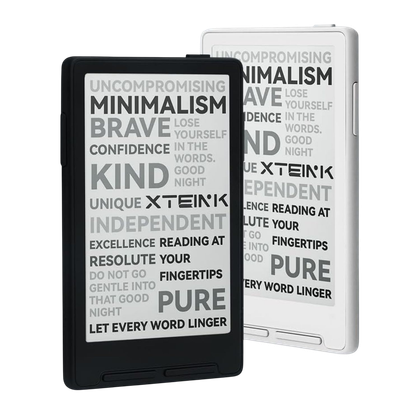
Welcome to the age of the tiny e-book reader. This year has seen the emergence of truly tiny e-readers like the viral Xteink, and now it's the turn of the .
The Boox Picco is a tiny e-reader with a large backing. Boox knows its onions when it comes to building e-readers, and the Picco is its play for this emerging market. Priced at just $100, you'd assume it's a must-buy.
But hover that finger over the "Add to basket" button, because plenty of alternatives may be better for you. Here are three that I love, and think you should consider over the Boox Picco.
The best if you want something bigger, and just as capable
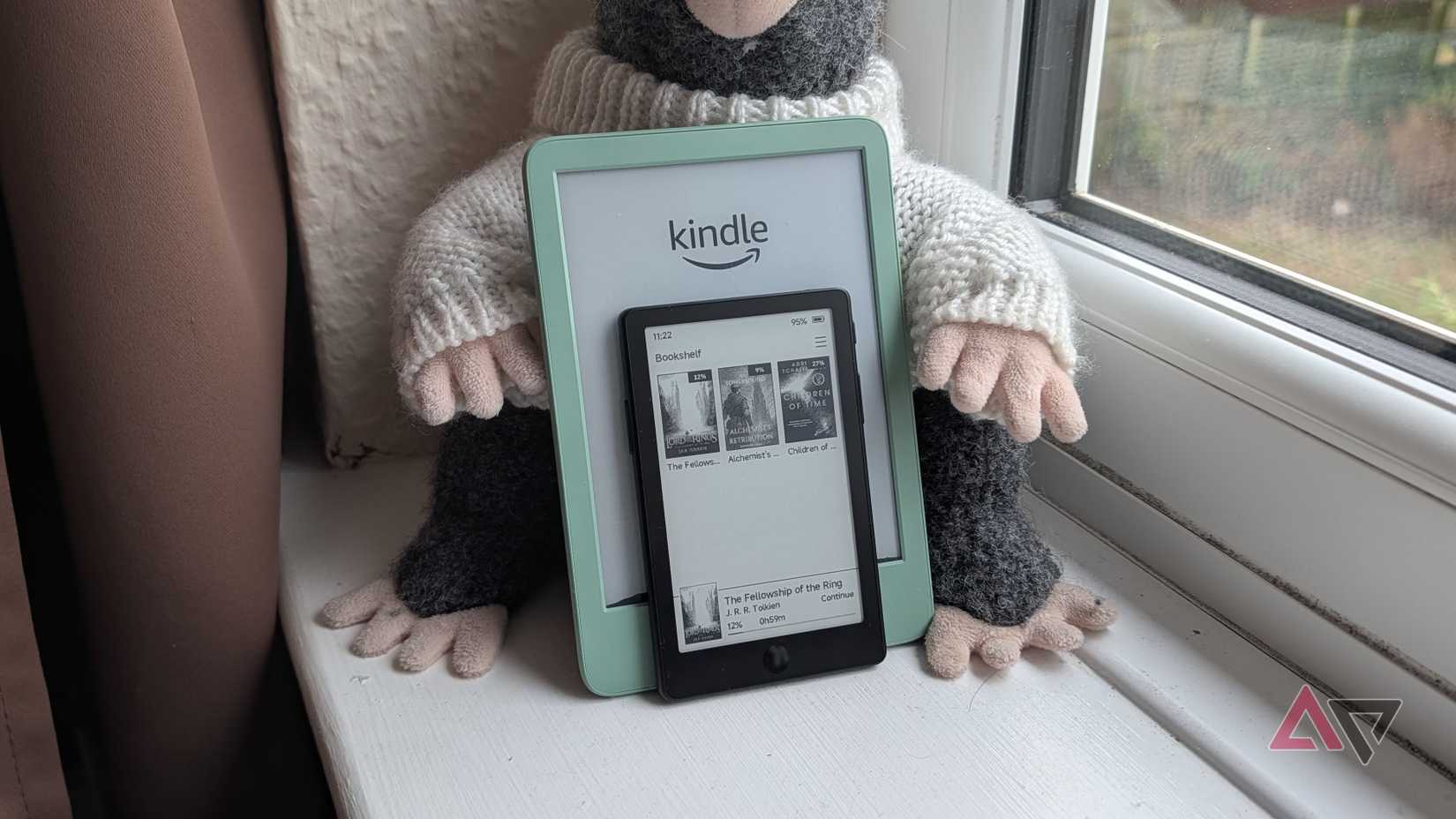
Xteink has two entries in this list, and that's because it's really good at what it does. It's also easy to make the argument that Xteink kicked this trend off with the viral Xteink X4 in the early part of this year, and as such, it's very easy to recommend one of its e-readers.
The is the successor of the wildly successful X4, and it's an improvement in every way.
Those improvements also make it a close match for the Boox Picco, which is why it's such a good alternative.
First, it's slightly larger. You might assume that's a disadvantage on tiny e-readers, but it isn't. I've spent a lot of time with the X4 Pro, and it fits nicely in my pocket while still being large enough to read comfortably.
The 4.3-inch display is larger than the Picco's 3.97-inch display, which will likely make a big difference in everyday use.
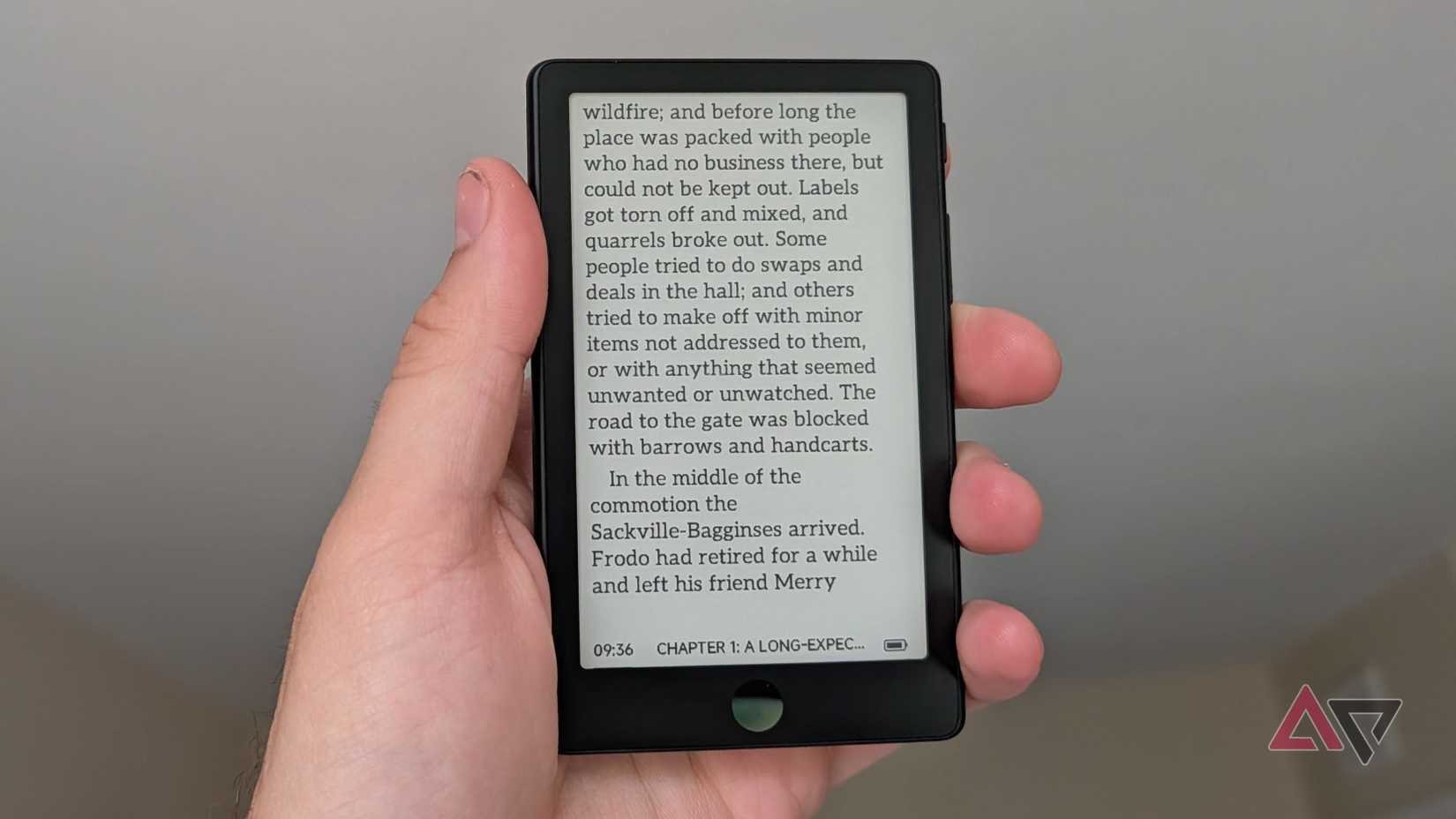
It has a front light, like the Picco, and you also have the choice of keeping Xteink's software on there, or onto it to equal the Picco.
No matter which software you choose, you'll get a good reading experience, and the same ways to transfer e-books to your device.
The first major downside is the lack of a USB-C port. It uses pogo pins to charge, and it comes with an adapter you plug a USB-C cable into for charging or data transfer. It's a disappointing move, especially since the first X4 had a USB-C port.
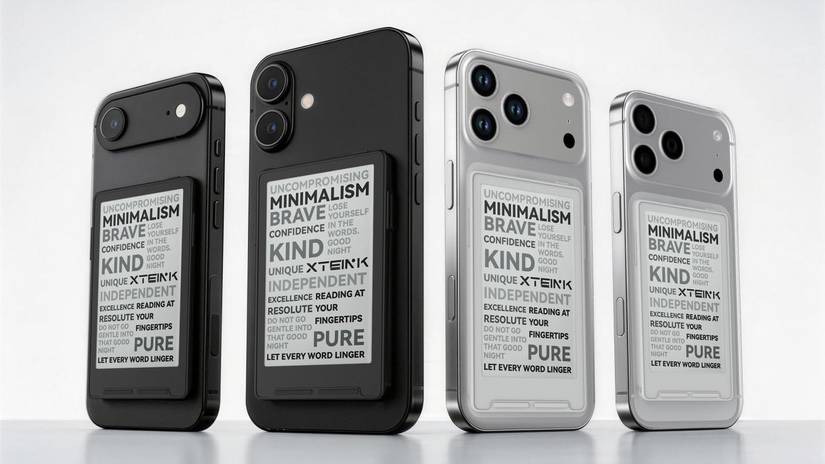
However, it has a built-in magnet, so if your phone is Qi2-compatible, you can slap it onto the back. The Picco needs a case for that, and it's part of what helped push Xteink's devices to .
You miss out on Picco's Function switch, which swaps between light and dark mode, and that a big point in Picco's favor.
However, the X4 Pro's open firmware means it has a strong argument for longevity. Plus, it has a larger screen and a very similar reading experience for basically the same price.
It's a great option, and what I'd buy instead of the Boox Picco.
- 16 GB, expandable to 256GB
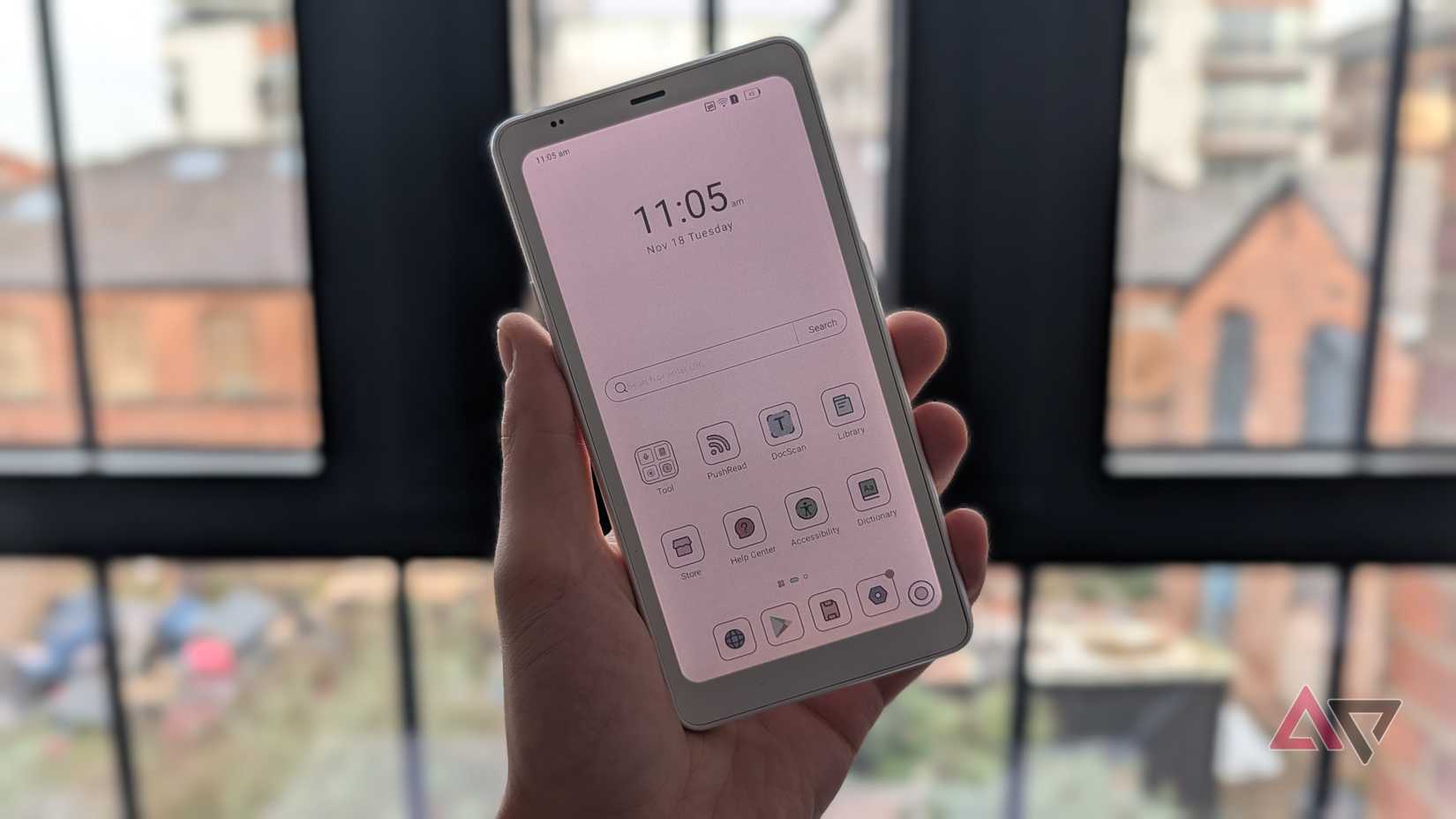
It might seem a little weird to recommend a Boox product over a Boox product, but the Palma is worth considering if you want a smaller e-reader that can do more than read books.
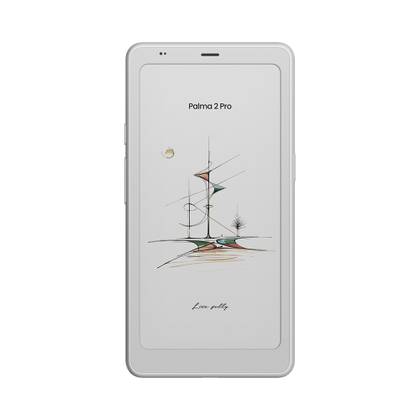
The is much larger than the Boox Picco. The 6.13-inch screen feels more like a phone than a tiny e-reader, and for good reason. This is basically a phone disguised as an e-reader.
Unlike the Boox Picco and everything else in this piece, the Palma 2 Pro runs Android. That means it can run everything your phone can, and while the color Kaleido 3 E Ink display won't work well for video content, it'll still work fine for messaging apps, listening to music, browsing the internet, and reading e-books.
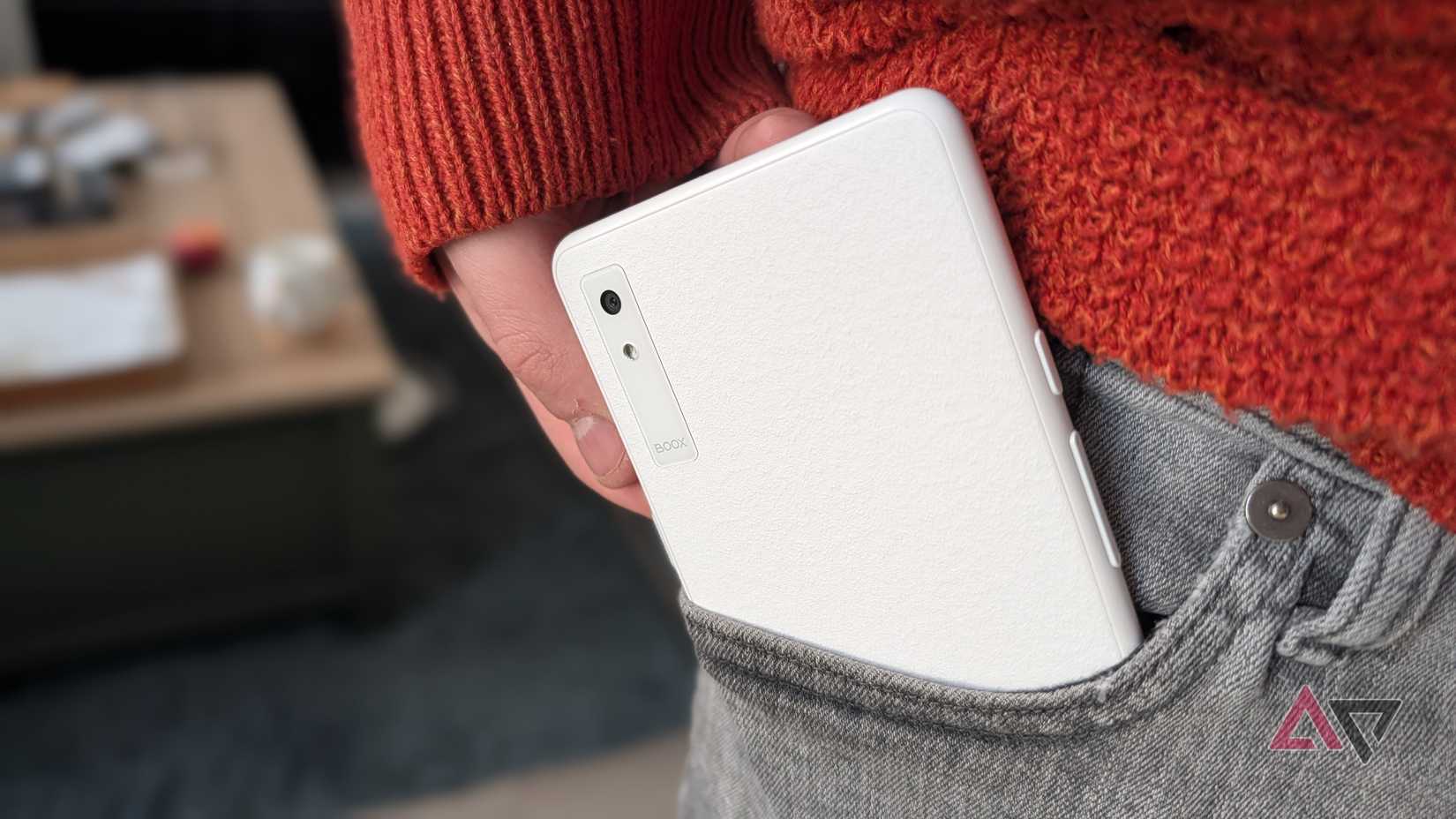
It has a slot for a SIM card, a navigation app, and support for Boox's stylus. It even has a camera on the back — though there's not one on the front.
It's not especially tiny, but if the appeal of the Boox Picco is replacing the need to have your phone around, you can just replace your phone with the Palma 2 Pro.
The downside is the price. The Palma 2 Pro starts at $400, which is a long way from the Picco's $100. You definitely get what you pay for, though, which is why this is worth considering.
The best if you want a cheaper or smaller option
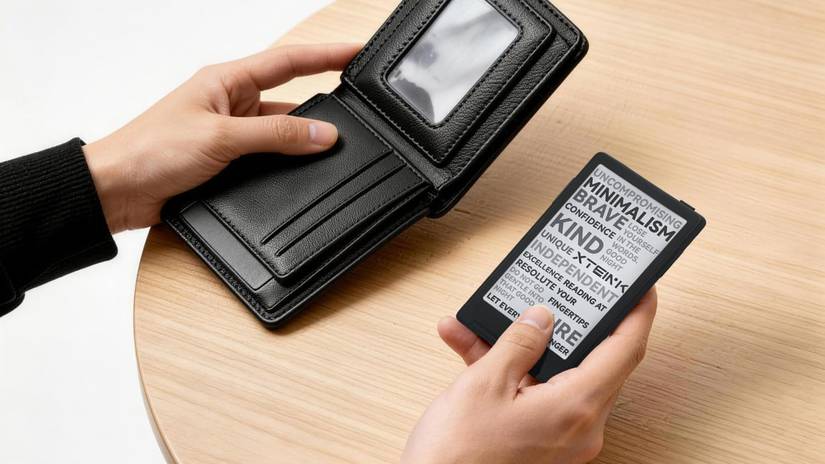
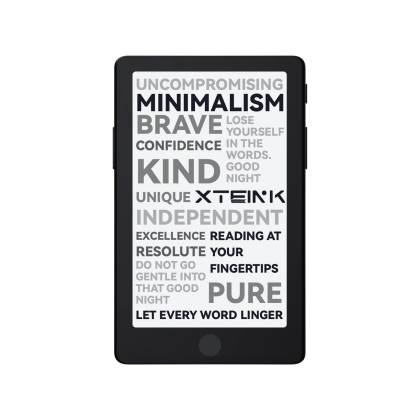
It's not much smaller than the Boox Picco, with a 3.7-inch display to the Picco's 3.97 inches. That translates to a significantly shorter device, and while it's slightly wider, it's also thinner, making it more pocket-friendly than the Picco.
The big draw is you can expect largely the same experience from the X3. The device comes with Xteink's software, but if you prefer, you can easily flash Crosspoint onto it, so it's basically the same as the Picco.
Either way, you can still send e-books and files the same way as with the Picco, using an app, a Wi-Fi connection, or a cable to your computer.
Unfortunately, the X3 does not have a USB-C port, so you'll need to keep the included pogo pin adapter safe for every time you need it. It's not ideal.
There's no touchscreen, so you'll rely on buttons — but it has of page-turn buttons. This means it's easy to find a button, no matter how you're holding it. Plus, it has a gyroscope, so you can wobble your device to the side to turn the page.
Plus, unlike the Picco, it has a built-in MagSafe magnet, so you can slap it onto the back of a compatible phone and it'll stay there.
At a starting price of $79, this is a strong buy. Especially since it saves you $20 over the Picco.