iFixit has torn down the iPhone 18 Pro and Pro Max and found both wanting on repairability.
Fiddly mechanical bits around the new camera, and a repeated design choice forcing internal repairs to go through a screen with a potentially fragile frame, led the iFixit team to conclude that, even with some improvements, Apple’s latest iPhones come with uncomfortable repairability tradeoffs.
"This year’s updated camera is a good place to start," iFixit director of sustainability Elizabeth Chamberlain stated in the teardown review.
"What does its new mechanism buy you, and how difficult and expensive will repairs be if one tiny blade gets stuck?” The answers to those questions are "not much" and "very", based on what iFixit found.
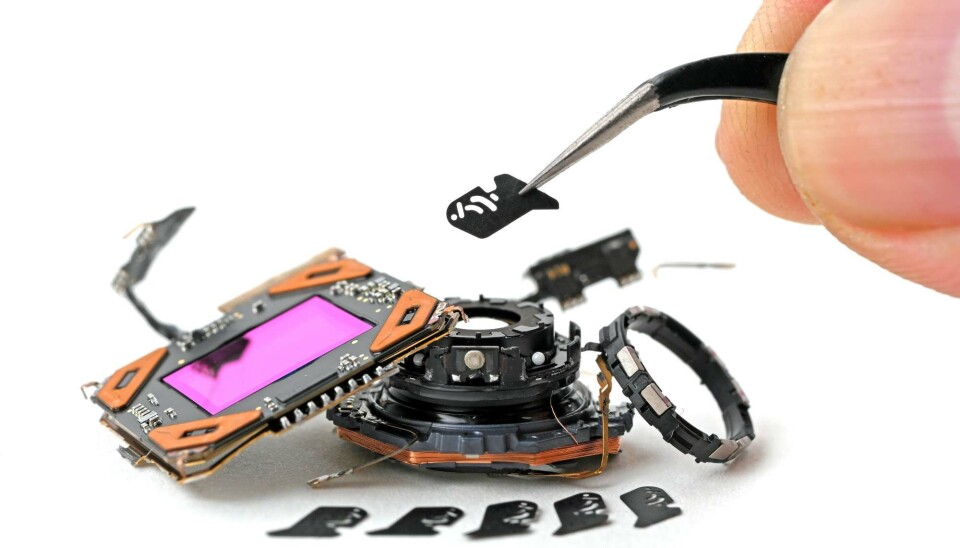
The iPhone 18 Pro series’ main camera has an aperture made of six tiny blades, each about as thick as a human hair, according to iFixit. The tolerances are so fine and the mechanism so fiddly that iFixit said: "We’re reluctant to call a repair 'impossible', but this is about as close as it gets."
"Any damage to your main camera will probably mean replacing the whole assembly, which is bound to be expensive," Chamberlain said. That’s not new; iPhone camera assemblies have long been a single replaceable unit, but they’re not cheap. "Apple hasn’t released parts yet, but the camera assembly for the 17 Pro is $249, and the variable aperture will only up that cost."
It’s not even clear if the component will be more than a one-off experiment that gets dropped in future models due to the fact that any moving parts only make repairs harder.
"Samsung tried it and dropped it, citing ‘limited functional benefit at smartphone camera levels,’ and we basically agree," Chamberlain said.
As iFixit notes, the aperture doesn’t do that much for picture quality because even at its widest the opening is still small, while the tiny sensor and short focal length limit the amount of background blur compared with a larger dedicated camera. Pictures included in the teardown review demonstrate this, showing that the wider aperture has only a limited effect on depth of field and background blur.
"This isn’t the signature wide aperture heavy bokeh look," Chamberlain noted.
Scratchgate, meet framegate?
As was the case with the iPhone 17 Pro, the 18 Pro series' battery sits in a screwed-in metal tray and is relatively easy to replace - a big plus considering it’s one of the most likely bits to need swapping out. Unfortunately, getting to it still requires going through the screen, and therein lies the problem: iFixit damaged the plastic frame that holds the screen in place in three of its four teardowns.
The adhesive has to be heated and softened, but that isn't the main problem. Once the frame breaks, the screen may be hard to re-seat and reseal properly, potentially forcing a full display replacement. If the screen frame proves this failure-prone in further testing, no repairability improvements beneath it will matter much because opening the device would risk needing a new display.
That said, iFixit isn’t officially ruling on that weakness quite yet.
"That plastic frame has been present since the 15 Pro. But it hasn’t given us nearly as much trouble in previous years," Chamberlain wrote. "We've seen other teardowns avoid this damage. Four phones are too few to establish a failure rate."
With that in mind, the iFixit team is giving the iPhone 18 Pro and Pro Max a 7 out of 10 repairability score, but that could go up or down depending on how additional teardowns go and how easy the frame is to remove.
"Our damaged display frames haven’t directly tanked that score yet because we don’t know what caused the failures, how widespread they are, or how repeatable they are," Chamberlain explained.
That 7 out of 10 is the same score iFixit gave the iPhone 17 Pro, but Chamberlain told us the 18 Pro seems generally less repairable.
"The screen troubles and likely expense of camera repairs make us more worried about repairs in the 18 Pro," Chamberlain told in an email.
In other words, if you have an iPhone 17 Pro or Pro Max, there may not be a lot of reasons to upgrade aside from the addition of some new points of failure, iFixit opines.
"If you’re considering upgrading from another recent-model iPhone, the photo quality differences are small enough that most people probably won’t notice," Chamberlain concluded about the new device. "We say it every year, and it’s especially true this year: skip the upgrade. The most sustainable phone is the one already in your pocket."
Now to see how the iPhone Duo fares when iFixit gets its hands on one of those. ®