- Do you know what data your smart devices can access?
- All kinds of devices now expect to be allowed online
- Think before you buy: does this need to be smart?
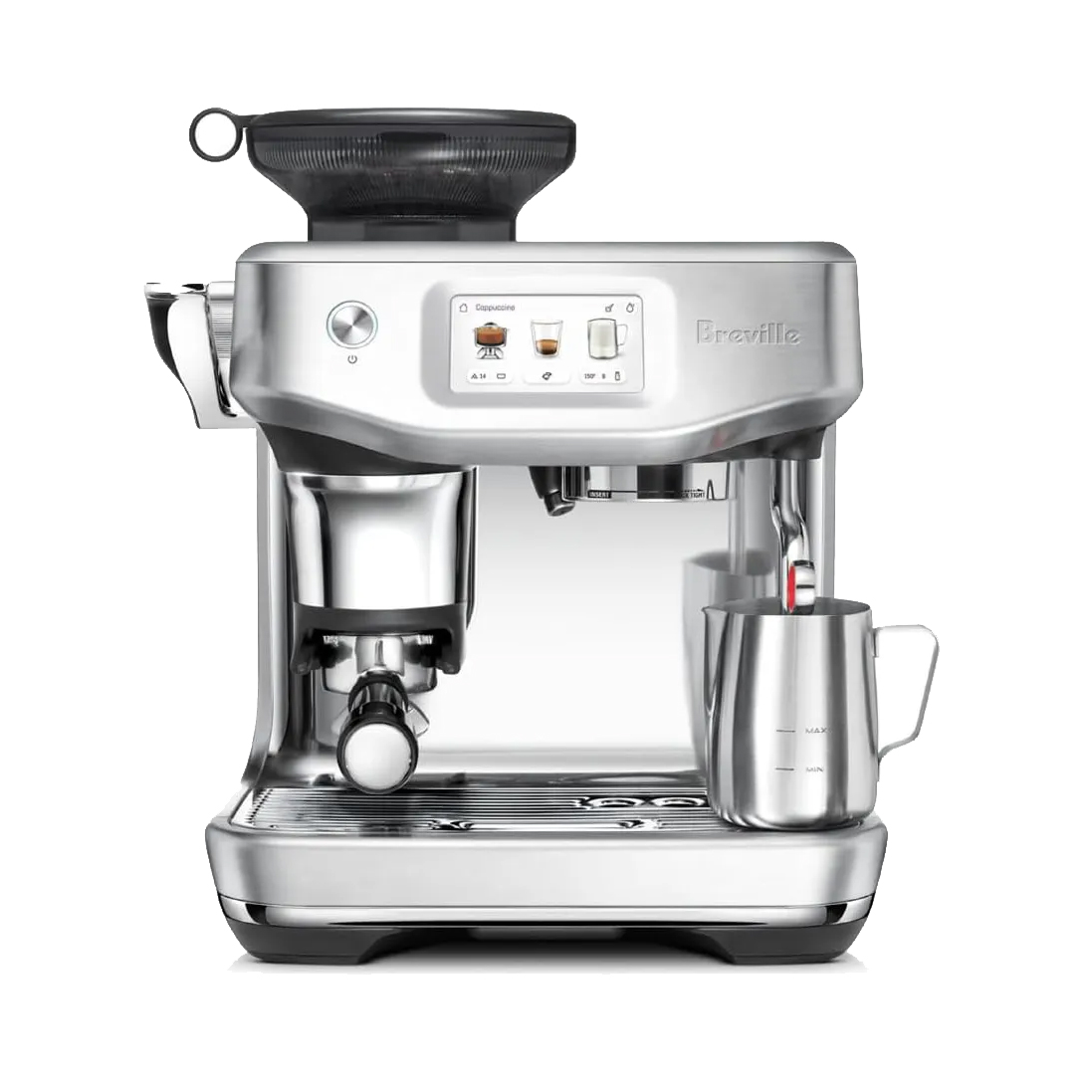
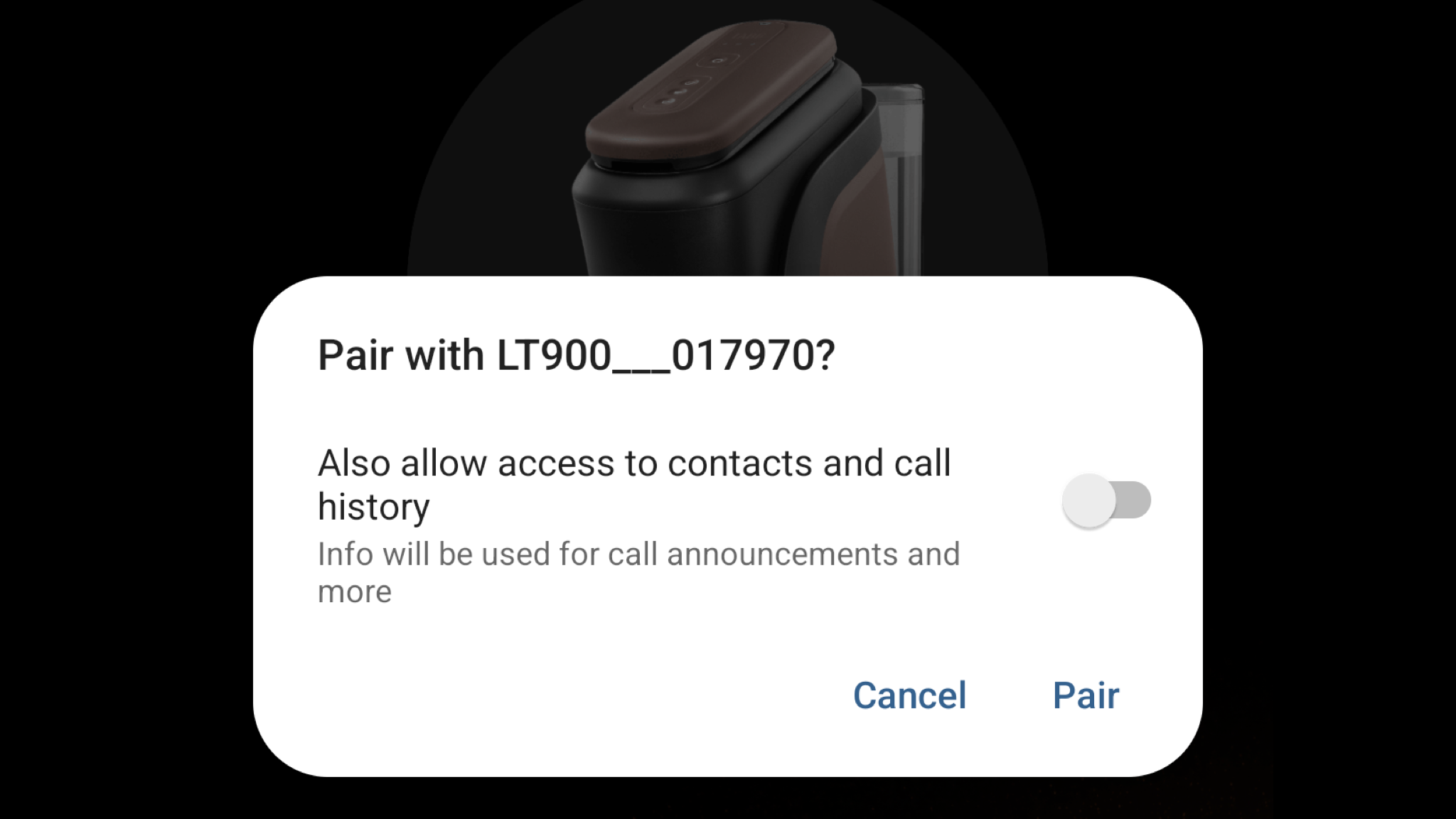
Your smart TV might not be the only smart device that's leaking your data: your coffee machine might be doing it too. A US man has gone viral after spotting his parents' Keurig coffee machine transmitting a terabyte of data in just 10 days, and here at TechRadar we've just had a Lavazza coffee machine ask for access to our contacts and call logs.
What's going on? Should I be worried about my dishwasher's Wi-Fi too?
In the case of the Keurig, the massive data transfer appears to have been because of a bug. Posting on X, IT expert Nomad said he disconnected the device because "It’s not worth keeping an IOT [Internet of Things] device connected that has the capability of bugging out and causing saturation like this did."
As for our Lavazza, we've asked the company its app wants those specific permissions — and why its smart features don't seem to work even after it's connected. Starting a brew using the machine's own app proved impossible, and when we asked it to brew us an espresso via Google Home as instructed in the manual, we were informed that the coffee maker "doesn't support selecting specific drink types like espresso through smart home commands".
As the song goes, we ain't seen nothing yet. With ChatGPT, Gemini and other AI rolling out across all kinds of tech, there's potential for real privacy problems. We have contacted both companies for comment and will keep you updated when we have more details.
When smart devices are too smart
In the US, Consumer Reports has been cautioning users about smart appliances for some time. Earlier this year it warned: "Increasingly, home appliances that rely on mobile apps for key functions and that collect data on you — whether you like it or not — are becoming the standard. That means that when you buy a new product, in whatever category you choose, internet features and companion apps needed to operate them are much harder to avoid."
I've experienced this myself: my home heating boiler has an app, as does my dishwasher. Both were awfully keen to gather data that had nothing to do with heating my home or washing my pots and pans. And that's just the data the apps were openly asking about. Consumer Reports' Steve Blair said he found a dryer that was sending the equivalent of 135,000 text messages per week to its manufacturer. "What does a dryer have to say at that volume?" he asked.
There are benefits to connected devices, of course. I like my smart home stuff. I had an Instant Pot whose app could download slow cooking instructions for specific dishes, and I like being able to remotely pre-heat my hybrid car when it's cold outside.
But there are downsides too, and I think the biggest one isn't sinister surveillance: it's accidentally opening doors for bad actors. As a rule, appliance firms aren't famed for their software expertise or website security and that means there's a risk of data ending up where it shouldn't, or of exploits that can target your device or other devices on your network. That means the less access a device has, the better.
I'm in agreement with Consumer Reports here: it recommends thinking about data security before purchasing any connected product. "Does your fridge need to be connected to Wi-Fi? Ask those questions." It recommends setting up a separate network on your router purely for smart devices; that way, if they are compromised, the attackers aren't on the same network as your laptop or your phone.
As for Nomad, he's regretting going public about his parents' chaotic Keurig. "I always dreamed that I would be remembered for the weird printers I designed and the cool stuff I've worked on at Prusa," he says. "I wanted a legacy of creativity and chaos. I am now most known for a rogue coffee machine. I don't even like coffee 🫠"