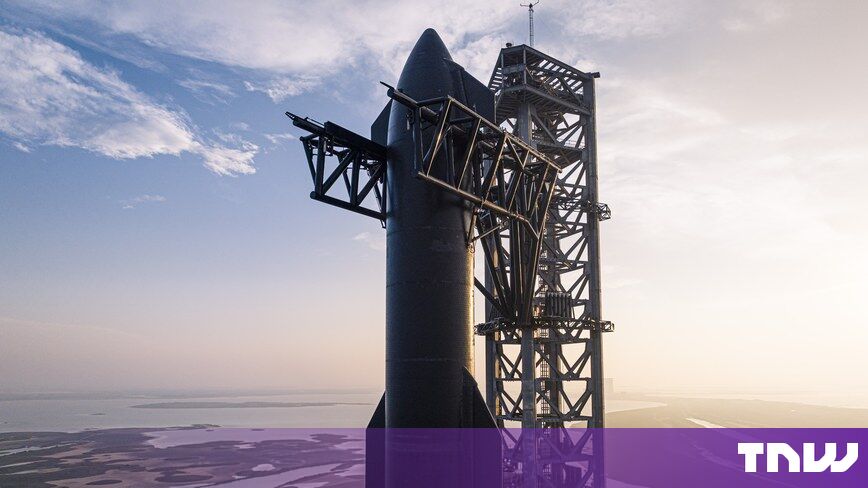
SpaceX’s Starship reached orbit for the first time on Monday, on its 14th test flight. The rocket lifted off from Starbase, Texas, at 7:48am local time and entered orbit about 25 minutes later. It then released 26 Starlink V3 satellites.
The flight nearly stopped short. One of the six engines on the upper stage shut down during the climb. SpaceX’s Dan Huot told webcast viewers the company had called off the orbit attempt. Minutes later, he reversed the call.
“We are not giving up yet,” Huot said.
Flight controllers pressed on, and mission control announced “Starship is orbital”.
Satellites out, flight cut short
Starship released all 26 satellites, and SpaceX said its Starlink team had made contact with each one. Every V3 satellite adds 1 terabit per second of capacity, 26 in total, according to SpaceX’s mission page. That is about 10 times what one Falcon 9 launch of older satellites adds. Three of the 26 carry cameras to inspect Starship’s heat shield.
SpaceX had planned about six orbits at roughly 275km, a flight of nearly 10 hours and a splashdown west of Chile. Instead, SpaceX said on X it would bring Starship down in a pre-cleared area of the Pacific after three hours in orbit. The early return was due to the engine problems, The New York Times reported.
The Super Heavy booster made a simulated landing in the Gulf of Mexico, as planned. One of its 33 engines failed on the way up, the Times reported. A second did not relight for the turnaround.
“Gorgeous launch, getting Ship to orbit and managing every step in a safe, responsible, and especially inspirational way,” NASA Administrator Jared Isaacman wrote on X.
NASA plans to use a version of Starship to land astronauts on the Moon under its Artemis programme.
More launches this week
Google plans to put its first AI chips into orbit on a Falcon 9 rideshare on 1 October. India’s TakeMe2Space plans to launch an AI computing satellite on a SpaceX rocket the same day.