
Every year, smartphone manufacturers give us a reason to spend a thousand dollars or more on a new shiny phone.
From a business standpoint, it makes sense. Be it bigger camera bumps, interesting new finishes, marginally faster chips, or a new software trick — lately, AI-based.
But here's the truth: Every year, the Pro label stretches further away from what most people actually need from their phones.
The lands squarely in the middle of this reality check.
On paper, and judging by everything we know, Google's mid-range smartphone does pretty much everything that matters.
That includes a good camera, a fast and responsive display, reliable performance, and clean software.
You'll even get long software update support alongside sensible pricing.
That laundry list of features raises an uncomfortable question. What exactly are you paying for with a flagship phone anymore?
The Pixel 10a makes the strongest argument that flagship smartphones have peaked and that most of us overspend on phones that promise more than they deliver in real-world use.
The Pixel 10a sticks to the basics, and that is its biggest strength
A familiar design and a focus on real-world performance
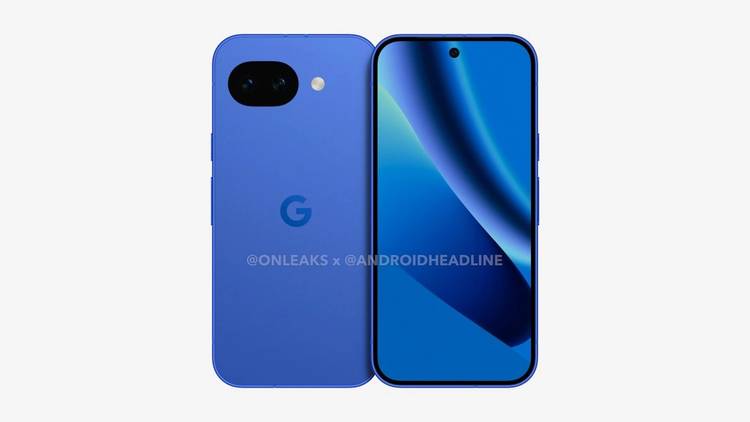
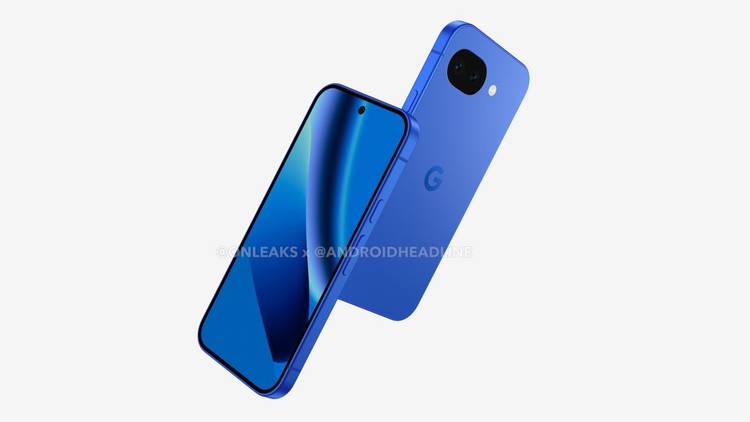
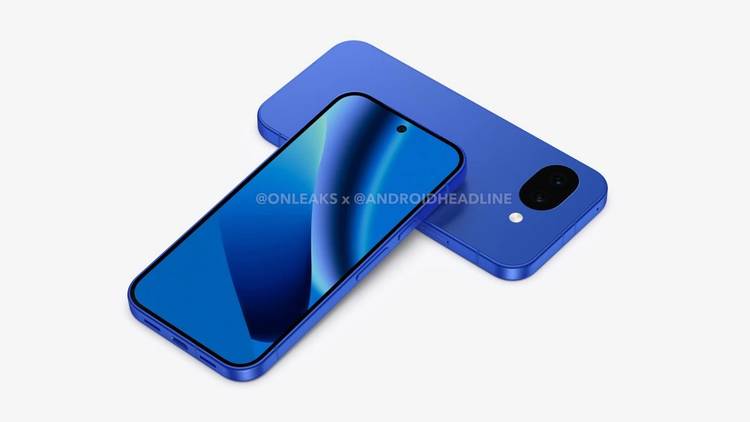
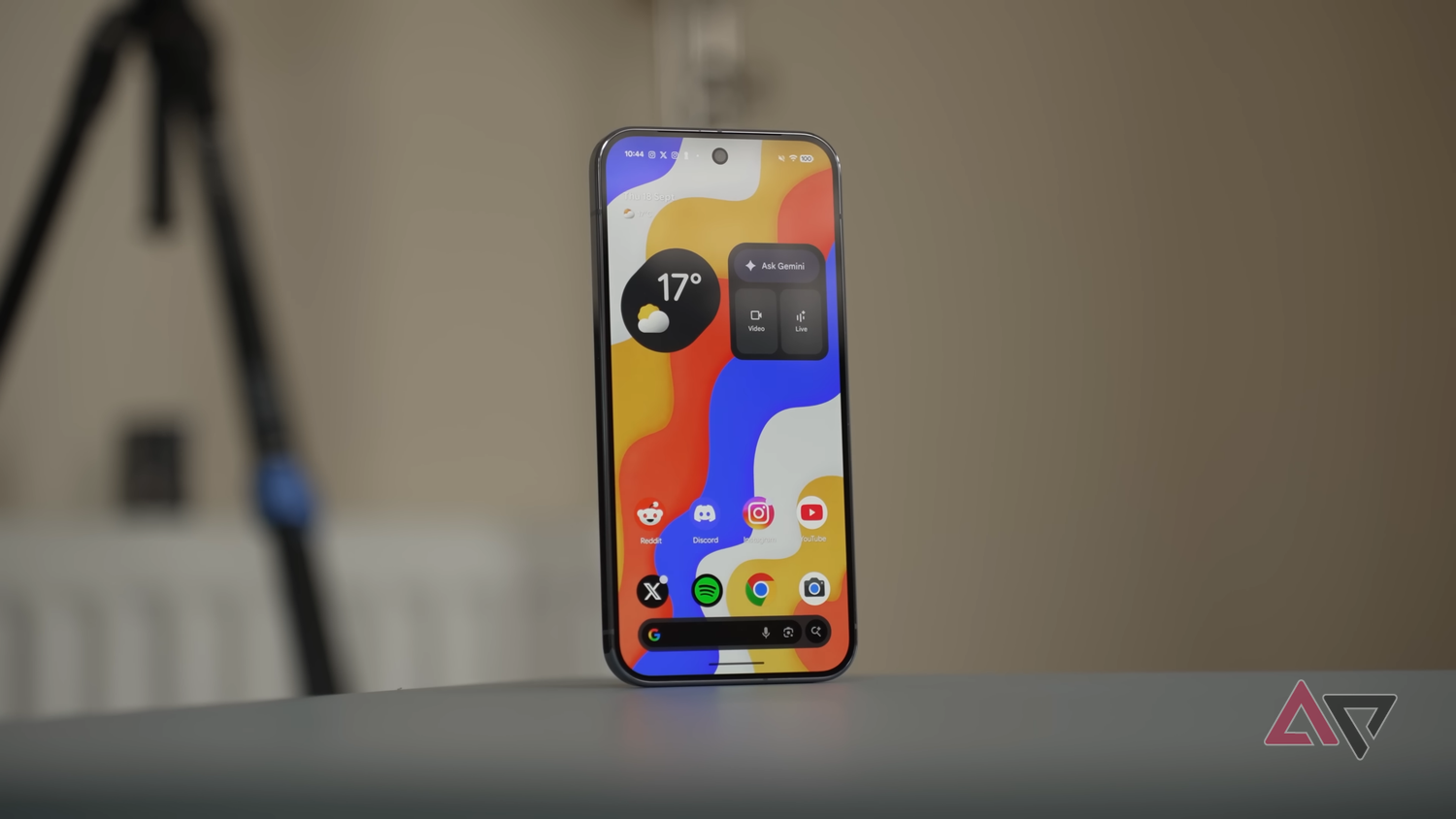
Let's start with what we know about the Pixel 10a.
The phone has a design identical to the Pixel 9a, with a familiar look and feel, size, and camera layout.
That's not necessarily a bad thing, as the Pixel 9a's design was perfectly fine, albeit utilitarian. I don't expect too many people will have an issue with that.
Elsewhere, the display is a 6.3-inch OLED panel with a 120Hz refresh rate.
While it's not a standout feature today and some would call it table stakes, flagships aren't that much further either.
Outside of a bit of peak brightness, you're not missing much.
Performance comes from Google's Tensor G4 chip. It isn't the absolute latest silicon powering the Pixel 10 Pro series, but it doesn't need to be.
Tensor chips have always prioritized real-world usability over raw benchmarks. Everyday performance, camera processing, voice recognition, AI features, and system smoothness matter more than theoretical peak numbers.
For browsing, social media, photography, navigation, and even light gaming, the difference between a flagship chip and a good mid-range one is increasingly academic.
The camera remains the biggest selling point.
Pixel A-series phones have repeatedly embarrassed phones costing twice as much when it comes to photography.
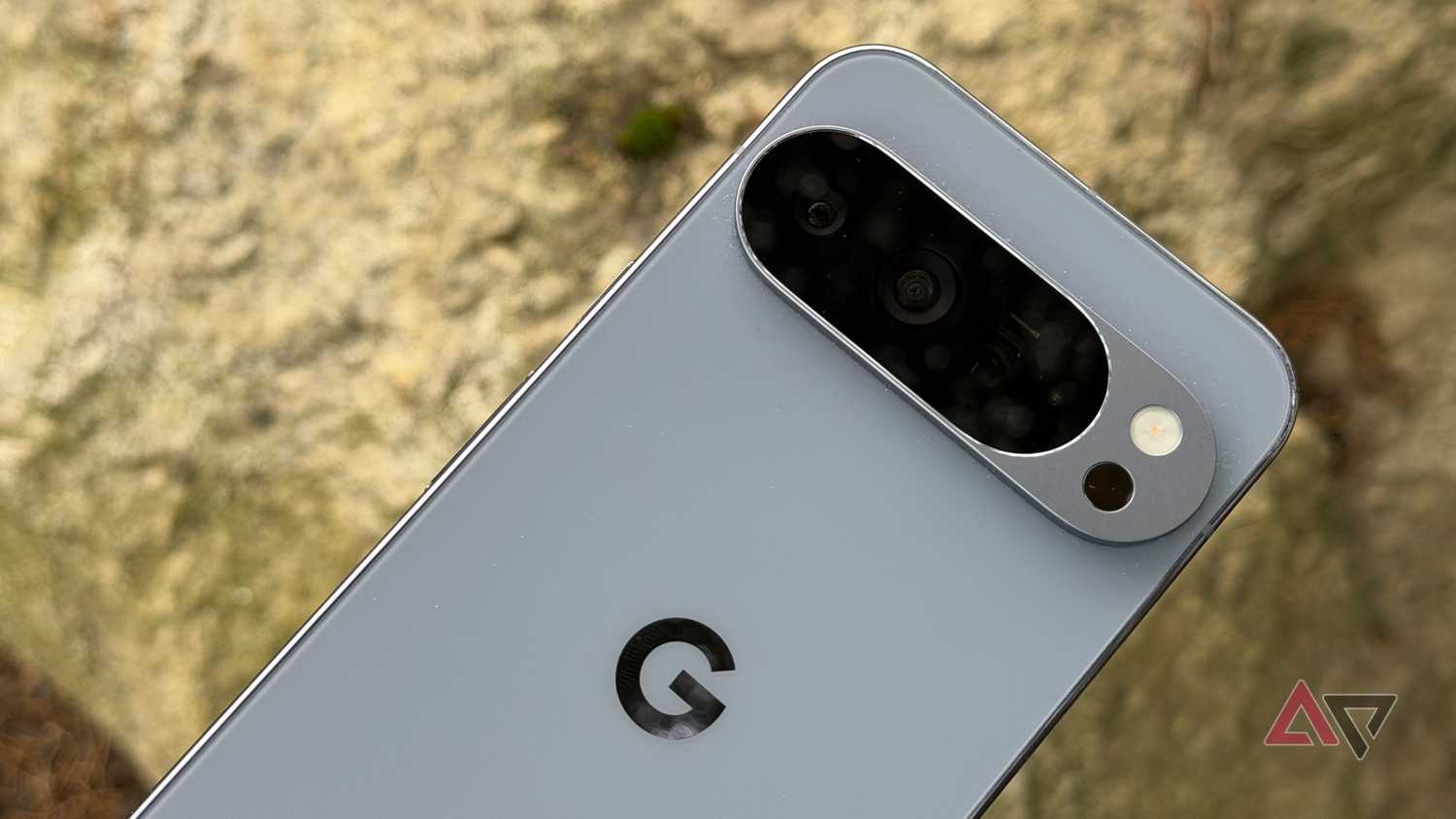
The Pixel 10a has a familiar dual-camera setup, with a 48MP main sensor and a 13MP ultrawide. On paper, that might not look particularly competitive.
In practice, Google's computational photography consistently squeezes extraordinary results out of modest hardware.
For most users, that means excellent HDR, reliable night photography, and class-leading consistency. In other words, photos that just work, every single time.
Isn't that what matters most? Actual results instead of higher megapixel counts on paper.
Finally, battery life is promising with a capacity north of 5,000mAh.
Together, these make the Pixel 10a look like a phone that gets the fundamentals right. These are the smartphone features that define daily experience.
Software support is the real differentiator
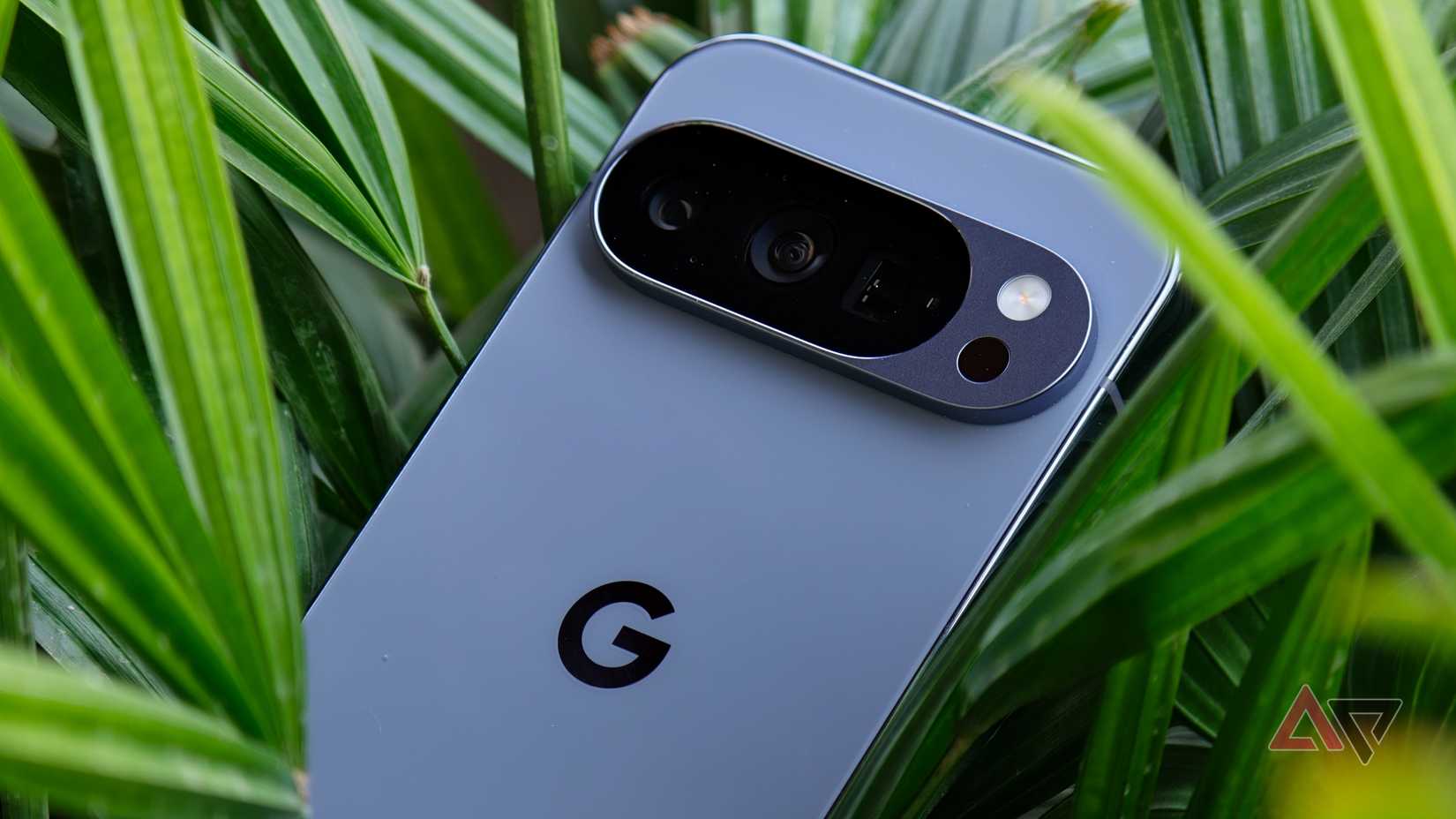
This is also where the Pixel 10a starts to feel uncomfortable for flagship phones.
When you strip things back, the practical differences between a Pixel 10a and the Pixel 10 Pro aren't as dramatic as the price gap makes them feel.
Yes, the Pro offers a telephoto lens, a brighter display, faster charging, and better materials. And all of that is impressive in isolation.
But how often do those upgrades materially improve your daily phone usage?
As much as I'd like to have an SLR-grade camera in my pocket, most of my photos are random snapshots at cafés and of receipts. That doesn't need a telephoto lens.
I watch videos on my phone, for the most part, Instagram Reels and YouTube, not the latest cinematic masterpiece.
Even the processor is rarely taxed enough to justify paying double for marginal gains. And that's true for most people.
What does matter is camera reliability, smoothness, battery life, and long-term software support. That's where Google quietly undercuts its premium models.
Pixel a-series phones receive the same long software update commitment as flagship Pixels. That means years of Android updates, security patches, and feature drops.
In practical terms, your Pixel 10a will age at almost the same pace as a Pixel 10 Pro. That fundamentally changes the value equation.
You are not buying into a short-lived mid-range experience anymore. You are buying into a long-term software platform with top-tier camera processing and smooth day-to-day performance.
And you are doing it at a price that is dramatically lower than the Pro models.
Value is no longer about making compromises
For years, buying a budget phone . Whether it was a worse display, slower performance, or mediocre cameras.
The trade-off was real. But that's not necessarily the case today.
The Pixel 10a represents how far mid-range phones have come.
Instead of asking what you are giving up, the question should now be: What exactly are you gaining by splurging double the money? And the answer is, depending on your use, not that much.
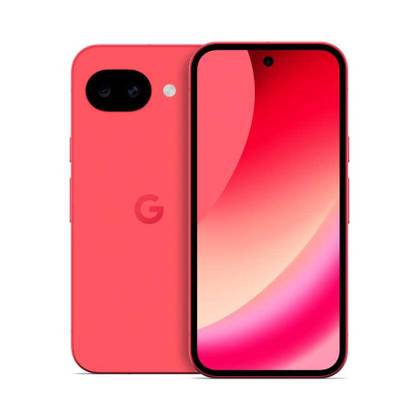
The Google Pixel 10a features a Tensor G4 chipset and 8GB of RAM. It includes a 6.3-inch Actua panel and a 1080p resolution. The phone packs a 5,100mAh battery and a 48MP primary camera sensor, with a 13MP ultrawide lens. It ships with Android 16, and Google promises 7 years of software updates.