Bluetooth paves the way to a cable-less future. It's an energy-efficient technology that has little to no impact when you pair the right devices and accessories.
I used to rely on Bluetooth connectivity to reduce the power load my peripherals put on my computer (my power supply unit wasn't very good).
Essentially, anyone with a solid working mobile phone should know how useful it can be.
Still, even today, I find myself dispelling myths and misconceptions people believe about Bluetooth technology. Here are the ones that still surprise me most.
Turning on Bluetooth kills your battery
There are worse battery-killers out there
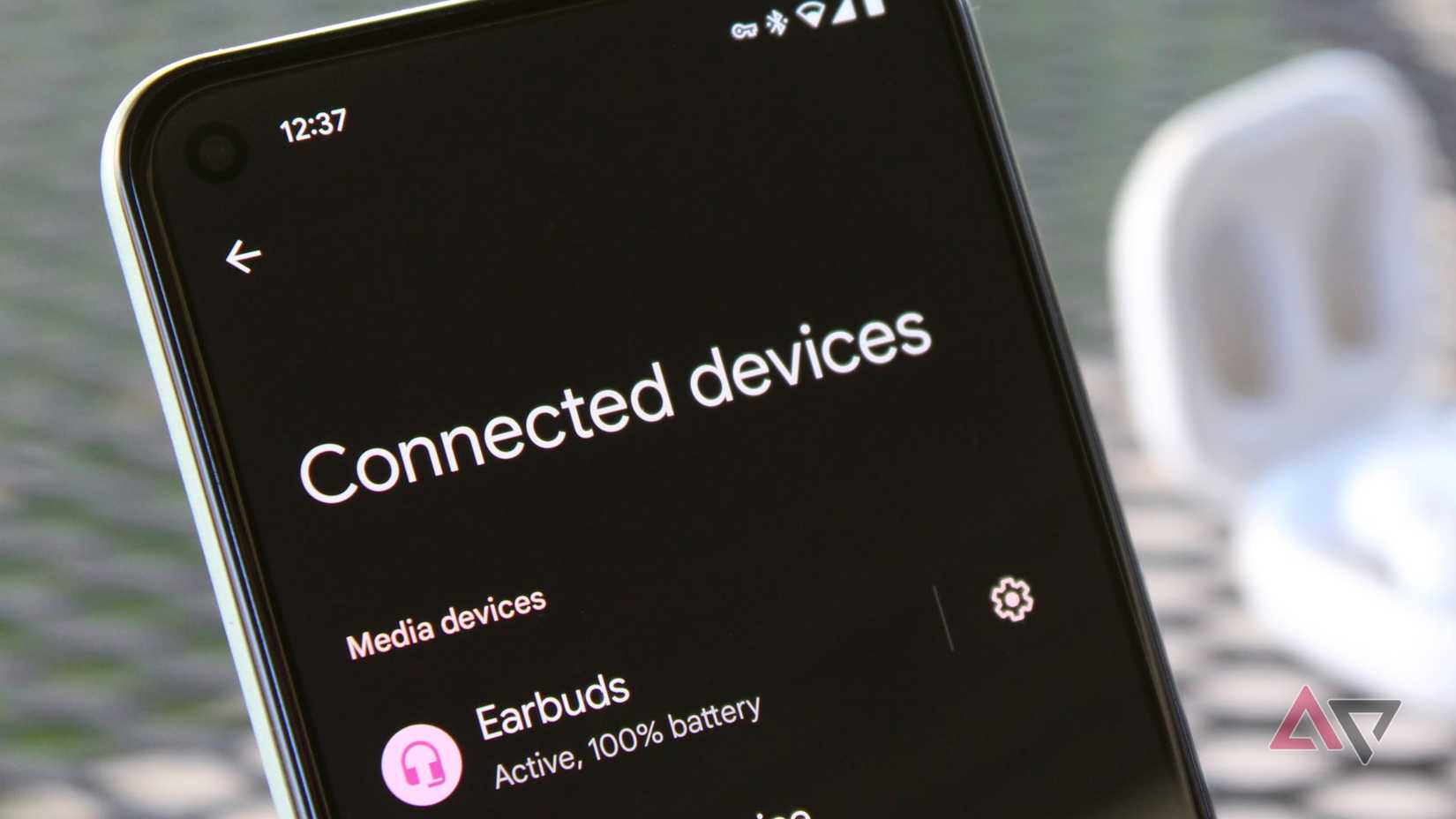
The number of times I've been told to disable my Bluetooth to fix my battery drain issues is shocking.
I even did it once to prove a point, and the battery drain that came from keeping it enabled was basically negligible (it also stays on permanently).
This is because Bluetooth spends a lot of time idle rather than active.
When it is used, it doesn't use much power. According to a study conducted by Android Authority, using Bluetooth while watching a four-hour video.
Then, based on their graph, they had almost the same recorded battery drain at 22.6% and 22.8% when Bluetooth was off, versus when it was on with only audio.
Leaving Bluetooth on, but not connected, increased battery consumption to 6.6%.
Android Authority also tested this across five devices, meaning that the data you see is an average. The author also notes significant variation between smartphones.
This is likely due to hardware differences, as well as the software optimization in the radios, Bluetooth wake-up, and scanning intervals. So basically, some phones can handle it better than others.
Bluetooth devices all have the same range
Not all Bluetooth devices are made the same
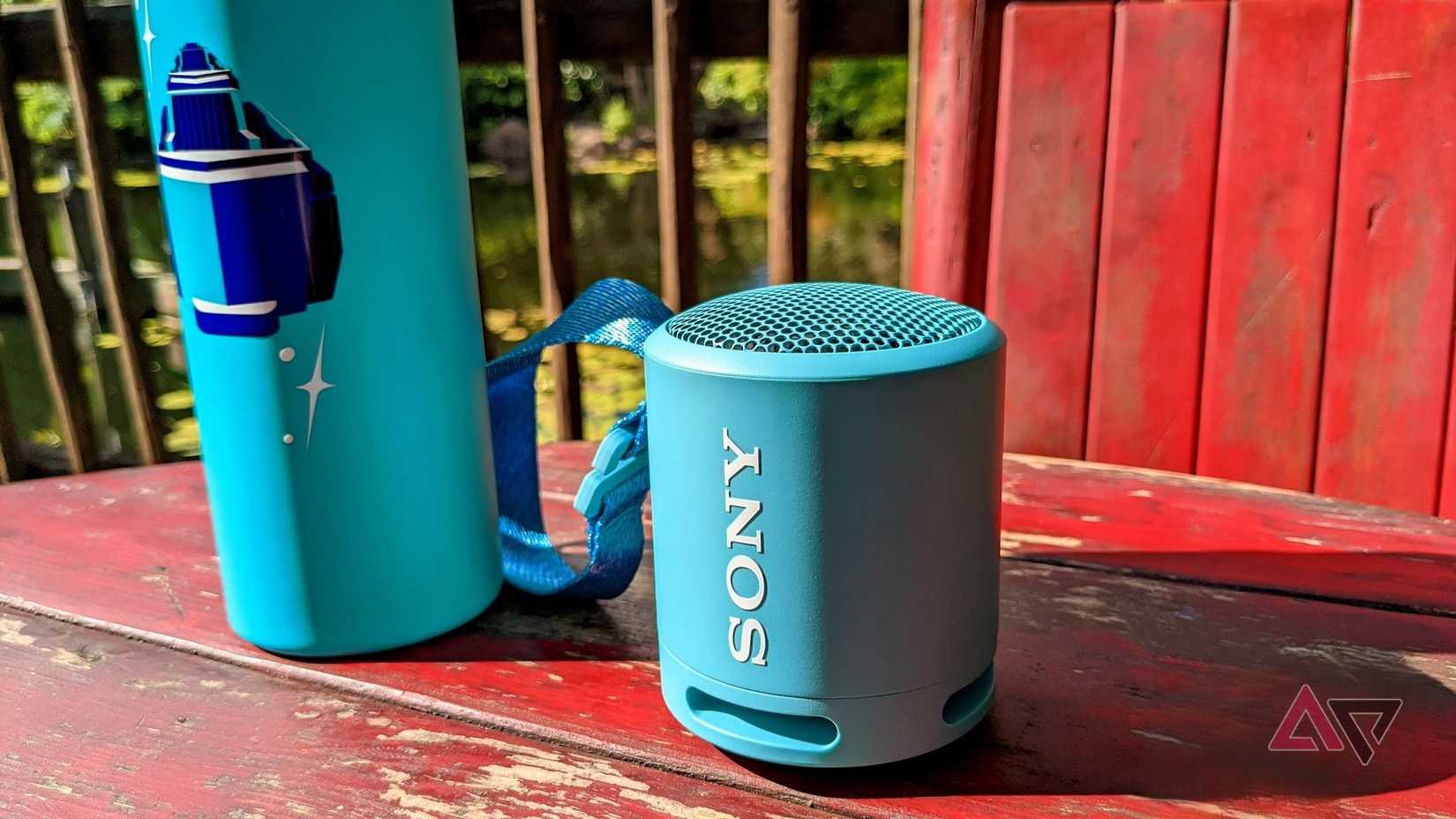
My initial reaction when I hear that all Bluetooth devices have the same range is that this is absolutely not true.
That's when my curiosity becomes piqued: why would someone believe this?
So I did some quick research and saw that people usually think Bluetooth reaches about 33 feet, or about 10 meters.
That's partially true. It does for Class 2 Bluetooth 4.0 radios.
However, Bluetooth range varies based on "Class" and version.
Class dictates the power class a Bluetooth device can reach.
There are three classes: Class 1, Class 2, and Class 3. Class 1 has the longest range, around 330 feet (100 meters).
Class 3 is the shortest, usually under 3 feet (about 1 meter).
Most devices we use are under Class 2, which is why people think everything operates in the same range.
But tacking on the versions also means they can reach even greater distances when you consider advanced protocol features like LE Coded PHY in Bluetooth 5.0.
Environmental obstruction is still a factor; newer chips can go through walls better than older ones, but the signal can still weaken — which might be why people think range is being affected.
Bluetooth and Wi-Fi can't be used at the same time
This limitation is a relic of the past
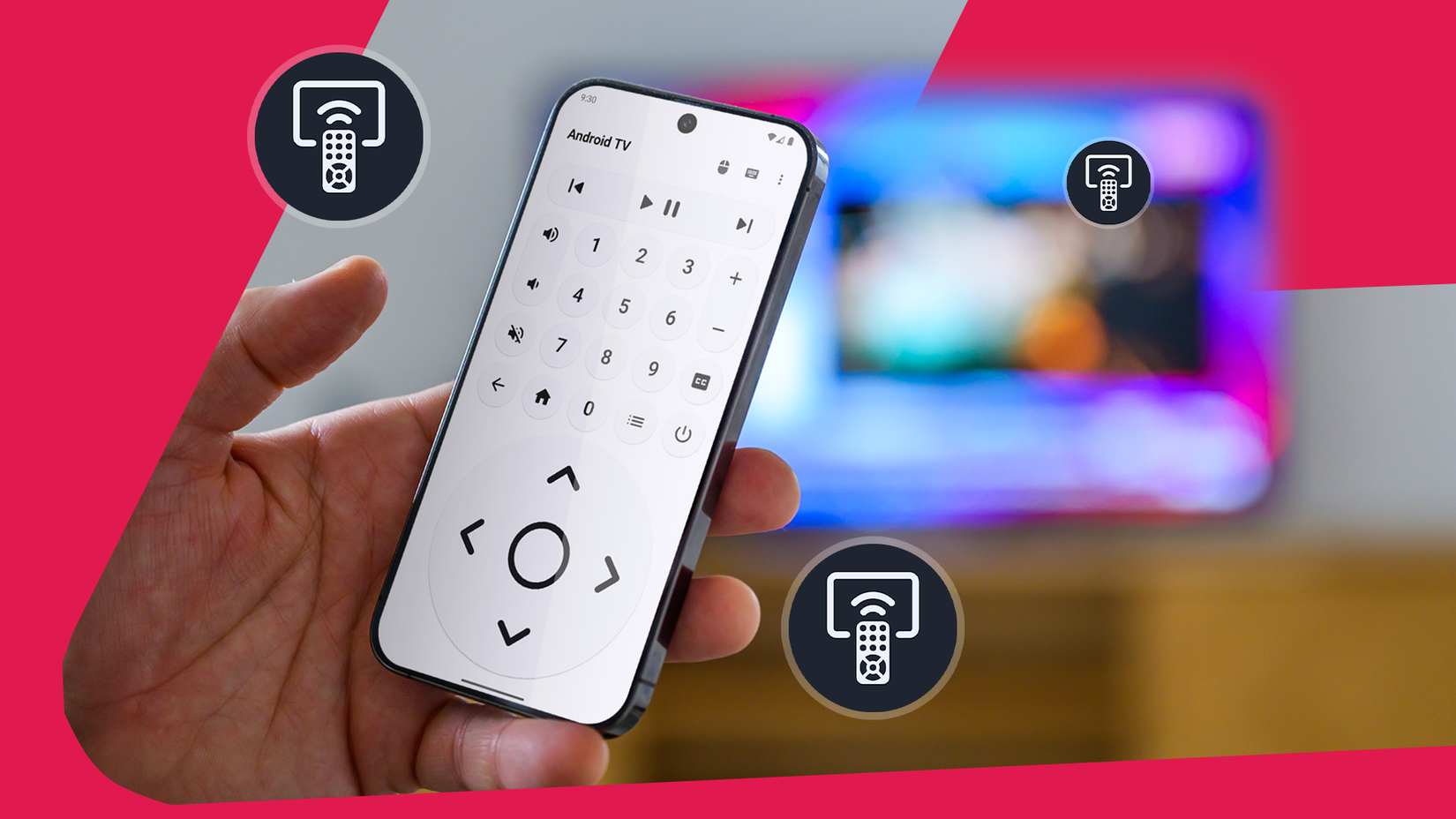
Being told to turn off my Wi-Fi to fix my Bluetooth connection issues is likely the most baffling myth on this list.
If that were still the case, no one would be comfortable using Bluetooth headphones, earbuds, or controllers at the same time as their smartphones and computers.
If I want to listen to music on my work laptop, I need to pair it with Bluetooth because my port is broken.
I have no issues with this, and I have remotes and controllers piled up in my office.
So I have a whole swarm of Bluetooth devices and accessories that can be powered on at any moment, and I have six devices that primarily need Wi-Fi to function, like my smart TV.
People think you can't use both because they traditionally share the same 2.4GHz radio frequency band, which .
However, technology has evolved. Plus, Bluetooth already uses Adaptive Frequency Hopping (AFH) to avoid the specific channels Wi-Fi is using.
Routers have also improved, since they operate in higher frequency bands, meaning they aren't as dependent on the 2.4 GHz band. If you are still rocking an ancient router that only supports this, you may want to consider a change.
Because at that point, Bluetooth isn't the only source of interference you'd have to worry about.
Bluetooth can make you very sick
If this were true, it wouldn't exist

The old scare that Bluetooth can be a cause of a terminal illness (cancer) isn't one I hear too often anymore.
Yes, it does emit radiation (non-ionizing), but at a safe level set by major health organizations like the World Health Organization (WHO), which has studied links between wireless technologies and various cancers.
These organizations haven't found a direct connection. The most that has been reported is that it is "possibly carcinogenic to humans," and they note that wireless headphones (Bluetooth) have lower power densities than mobile devices (so even less worrisome than you get from a phone), as referenced in the main study.
Plus, the Federal Communications Commission (FCC) also regulates the Specific Absorption Rate (SAR); Bluetooth devices have scored well below the maximum safety threshold.
The only question is whether long-term exposure does anything. Still, the results are not conclusive either way.
In actuality, you should focus more on your auditory health, since overexposure to headphones at the wrong level can damage your hearing. To avoid problems, consider the 60/60 rule and take breaks in between.
Moreover, dizziness and headaches are likely the result of poor accessory fit, especially with headsets. I know this because it's been my uphill battle for the last 10 years.
Bluetooth is 100% safe from hackers
Wireless tech is rarely ever foolproof

It's not a fun thought, but it's the truth. Hackers can exploit backdoors to spy on your device usage, make phone calls, or even listen in.
Thankfully, this isn't common if you keep up with technology, as this is mostly a concern if you use Bluetooth at longer ranges and with outdated protocols. Generally, Bluetooth 5.0 and newer have robust encryption methods.
Plus, manufacturers usually patch regularly when they find security vulnerabilities.
If you encounter it, common Bluetooth attacks cybercriminals may use include Bluebugging, Bluesnarfing, Bluejacking, Bluesmacking, and car whispering.
If your Bluetooth tech is out of date, be wary when you are connected, and turn off Discoverable Mode to reduce visibility in public places — if that's even an option.
You'd be surprised what Bluetooth can do
Bluetooth technology is prominent. But it doesn't need to keep you on a leash.
You'd be surprised how much one device uses it.
I recently read an article that my colleague wrote about how his Google Pixel would broadcast its location even after it was turned off.
It turns out that this is because his phone sends a Bluetooth signal for hours in the background due to a security and privacy feature for Find Hub.
It's technically helpful if your device is ever lost or stolen, but it does this without your consent, which is why it is concerning.