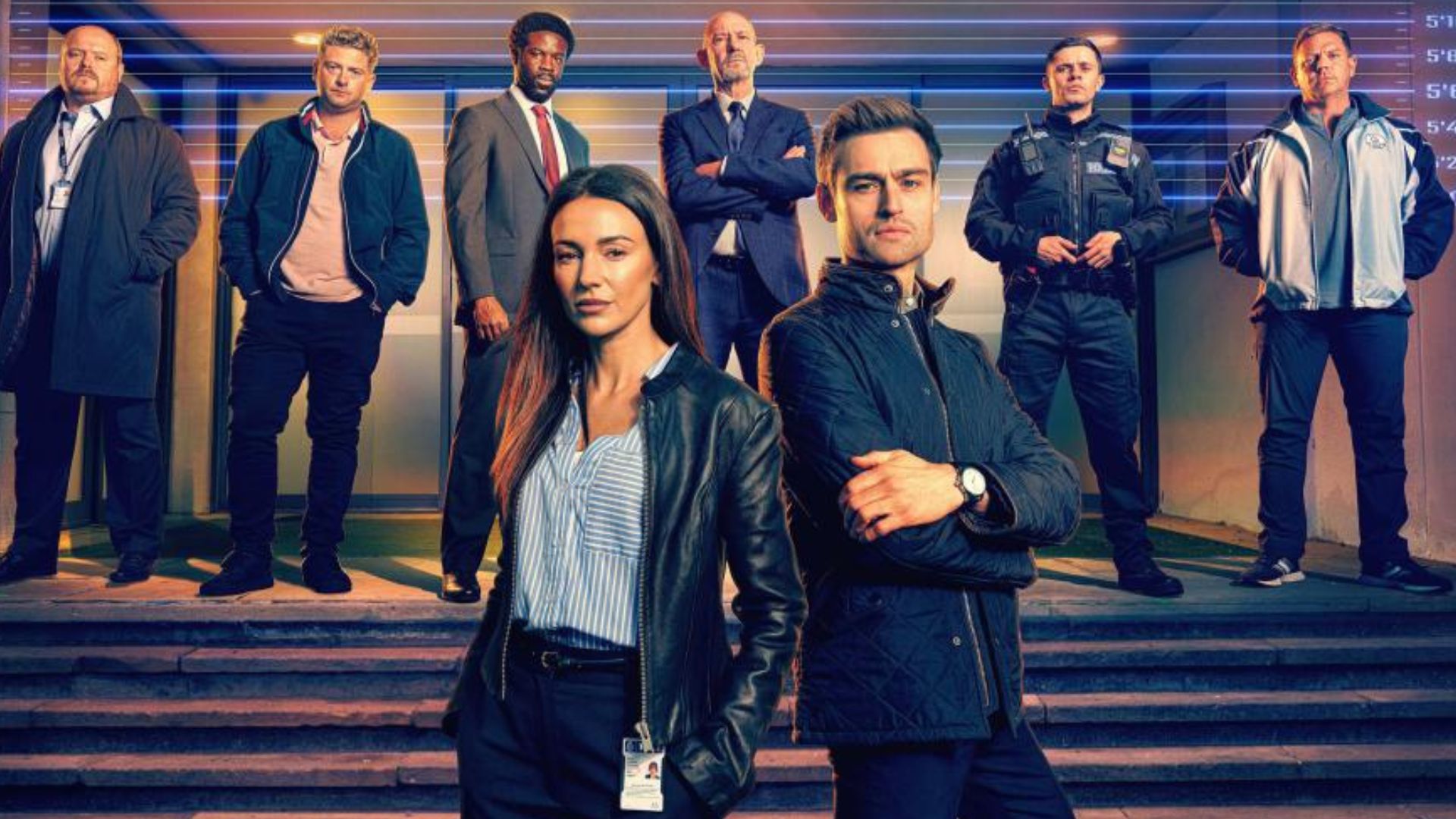
I'm sure that you'll be looking for some soothing escapism to stream this weekend, but ITV has other ideas. From September 20, new crime drama hits our screens, with episodes available to stream en mass on ITVX.
Led by Michelle Keegan and Douglas Booth, the six-part series follows the murder of a teenage skater, which not only draws detectives down a dark, treacherous path, but also forces them to investigate their own team.
The call is coming from inside the house, as the kids say. DI Emma Clare (Keegan) is not just the only member of the force to work out what's really going on, but she's the only person brave enough to call out (the fictional) Wakestead police force on its biggest issue: misogyny.
From the moment begins, the murder investigation becomes shockingly intertwined with just how prevalent casual misogyny is across multiple officers involved in the case. It's a heavy-handed approach, which includes text messages from real officers discovered through whistleblowing operations. They're hideous, and it's tough to watch.
I quickly wondered whether the series needed to be so blatant with the issue to get its point across (in my view, yes it does). But Keegan and Douglas Booth don't just think that this creative decision leads to an "even deeper" storyline, but the original opening to episode 1 was so explicit that it had to be re-filmed.
'If you've done nothing wrong, what would you be worried about?'
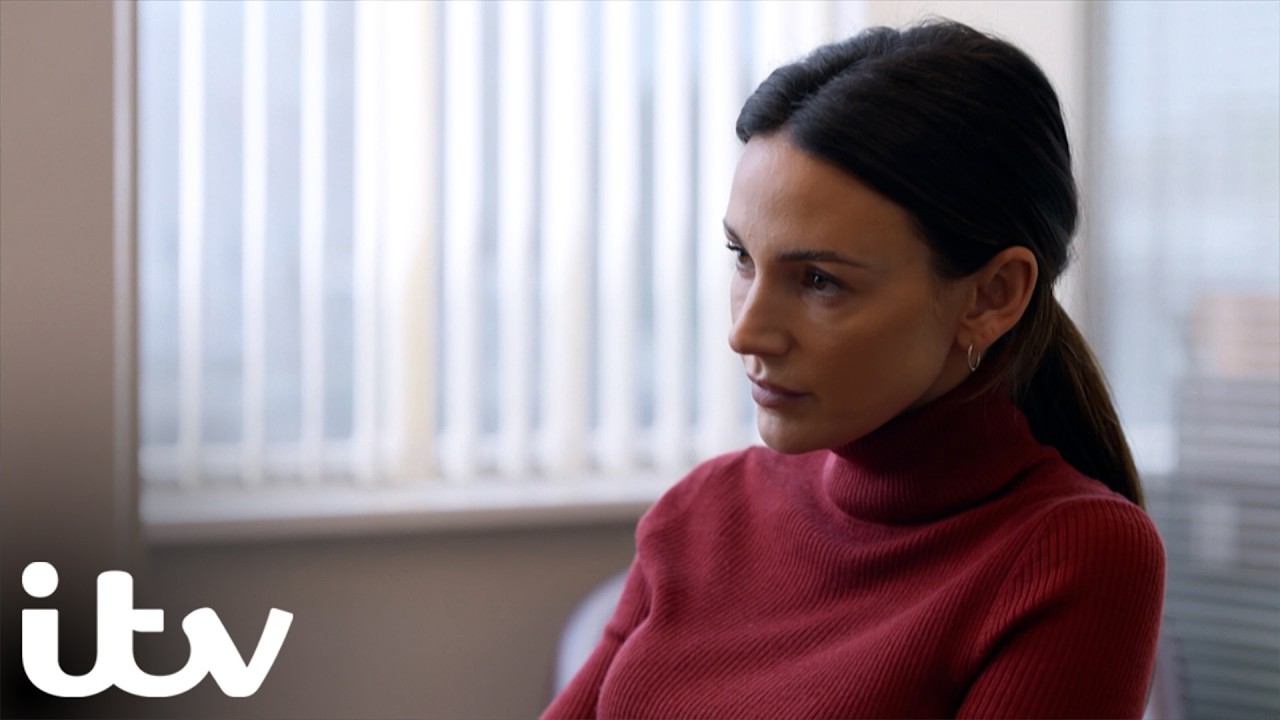
"It was a deliberate choice to start with that," Booth, who plays 'nice guy' DI Tom Radley in the series, tells me. "It's on the nose, but I think even if it wasn't that blatant, the effect would be the same. As you go through the story, it goes much deeper.
"You're trying to solve a crime, but the way that men talk to you, the way they interfere or get in the way, even the compliments... this is all explored through many facets," Keegan adds. "But starting with the base of something seeming harmless immediately drops you into the right place."
When we first meet Clare and Radley, they're talking over the day's events in the local pub — before anyone knows that a murder has taken place. Other officers are also scattered around, talking about the best way to try to pick up an attractive woman at the bar. It's a subtle yet all too familiar reminder of the social culture that's become ingrained.
The more grisly action doesn't begin for another 10 minutes or so, but this wasn't always the case. "There were actually a couple of different versions of that scene," Booth adds. "There was a much more explicit one that [creators] decided not to go with. It was explicit... I won't go into what. But they didn't start with it. As you see them, things are still blunt and direct, but things are later dissected from there."
It's this constant moral back-and-forth experience you have as a viewer that I think is the most poignant part of watching . You don't feel as though you can believe any part of what you're seeing, including the texts that you know for a fact are real. We naturally want to believe that decent human behavior is something more frequent than it actually is.
But is anybody worried about potential public backlash? "When we spoke to police, they understand that there are issues. I don't think anyone can say otherwise," Booth explains. "But you also see all of the brilliant work that the police do. They're doing a really difficult job out there, all the time.
"That doesn't mean that there aren't systemic issues, and a certain institutional rot that is portrayed in this show. But I'm not really worried. Because if you've done nothing wrong, what would you be worried about?"

Jasmine is a Streaming Staff Writer for TechRadar, previously writing for outlets including Radio Times, Yahoo! and Stylist. She specialises in comfort TV shows and movies, ranging from Hallmark's latest tearjerker to Netflix's Virgin River. She's also the person who wrote an obituary for George Cooper Sr. during Young Sheldon Season 7 and still can't watch the funeral episode.