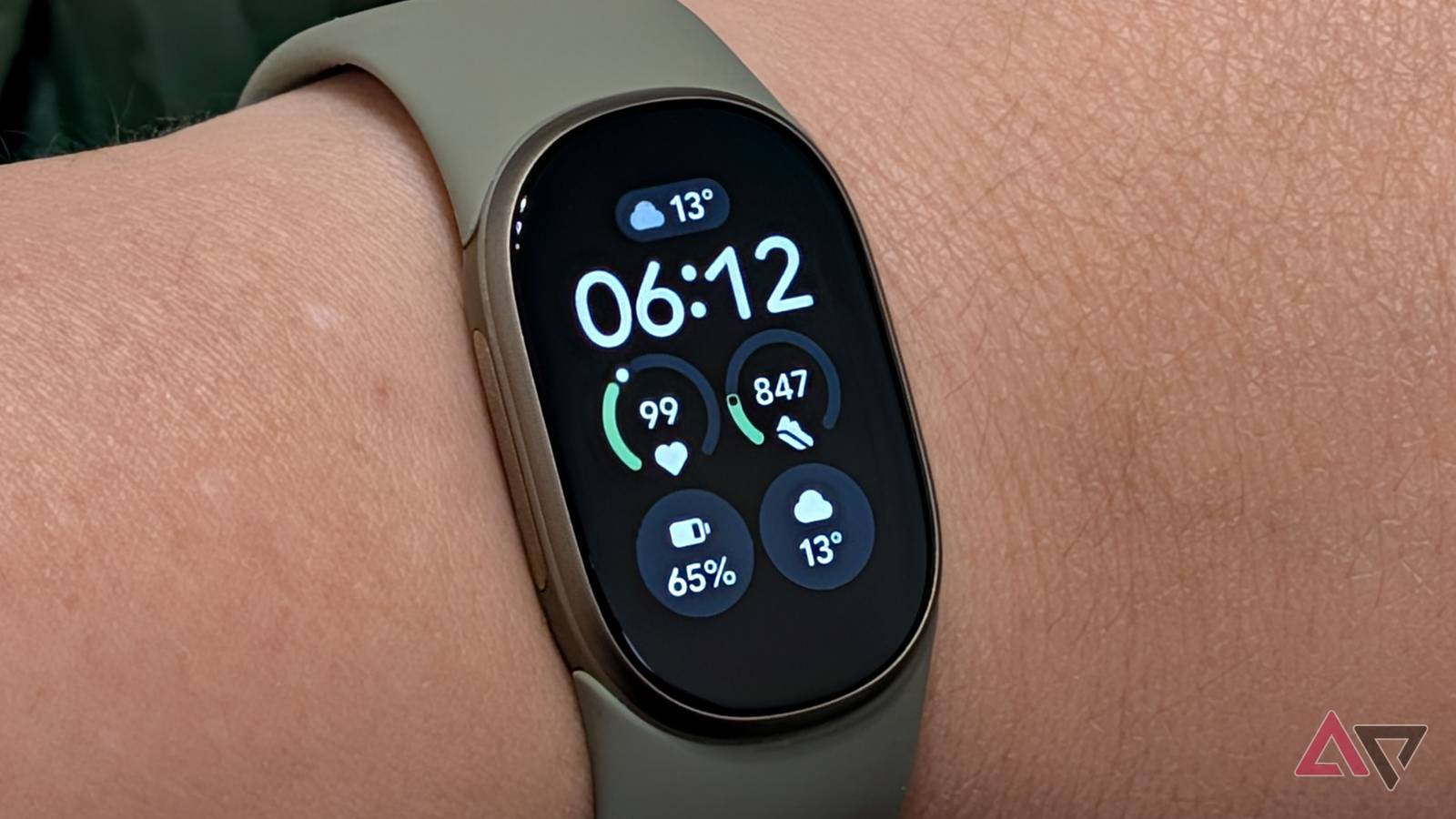
For more than a decade now, the Fitbit Charge has symbolized the essence of Fitbit — a simple tracker with the features that matter, a small screen, and multi-day battery life. What else could you possibly need in a tracker?
Unfortunately, since the launch of the Versa and Sense, as well as the Pixel Watch lineup, the Charge has seen its importance slip further back. It's been three years since the last Charge 6 was announced, and it's likely that we'll never see another Charge again because the is essentially its successor.
It carries the same tracker-centric design with a thin profile, a small display, essential activity and sleep tracking features, and some minor smarts. And after spending a week with it, I can say with certainty that it's better than any Charge released before it — well, if we put one important feature aside.
The Fitbit Edge has a modern design and better hardware
I'm not saying no to a larger display
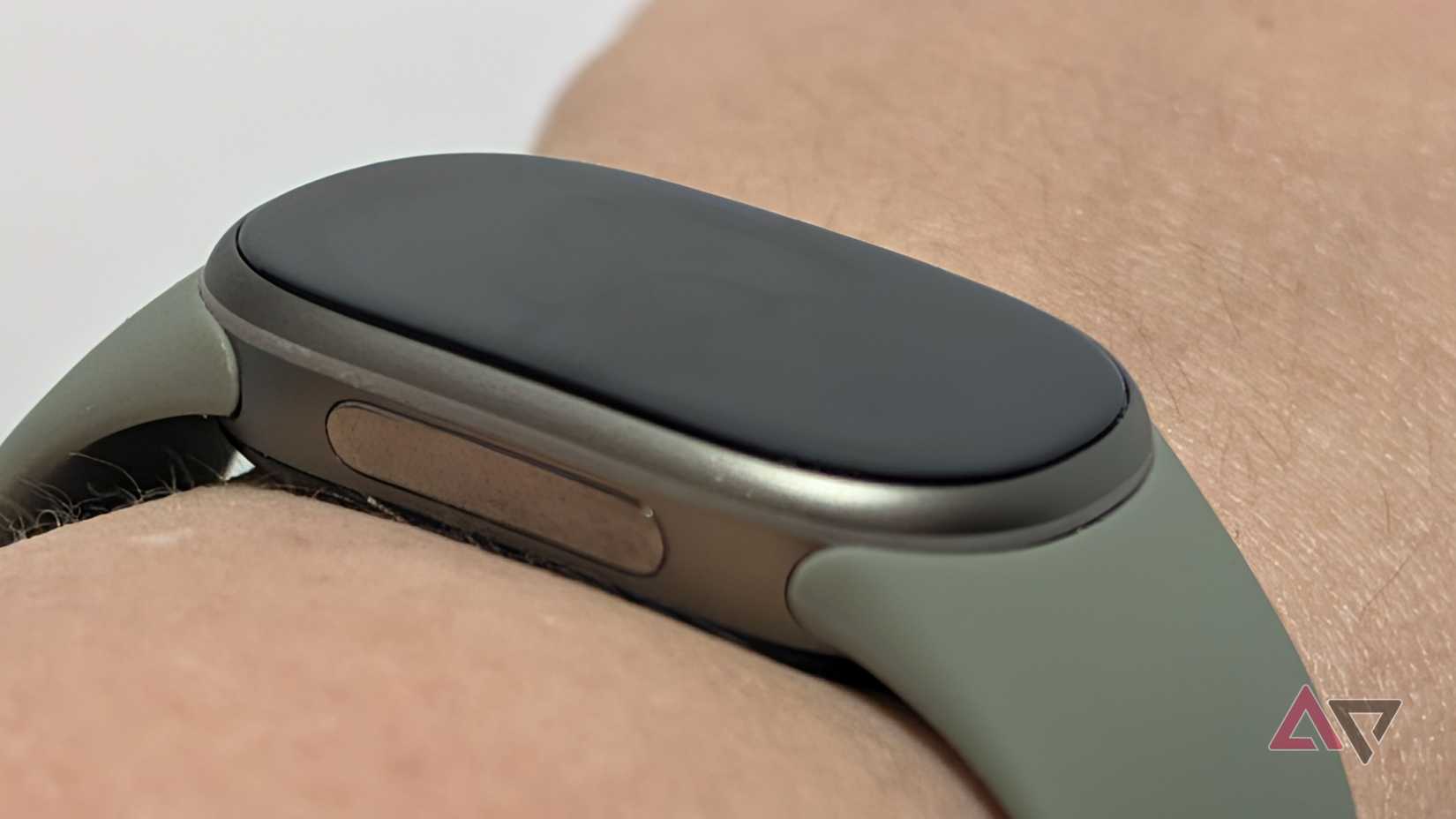
Going from my Pixel Watch 5 to the Fitbit Edge felt like a downgrade for a minute, until I realized how cool it was to have a lighter, more compact tracker on my hand. The Pixel Watch 5 doesn't bother me much, but the Edge? I forget it's even on my wrist.
It reminds me so much of my days wearing the Fitbit Charge 2, 4, and 6, with its narrow profile, smaller display, and lightweight design. But this is by far the best display I've seen on a "tracker" from Fitbit so far. It's colorful, very visible in direct sunlight, and easy to read in any environment.
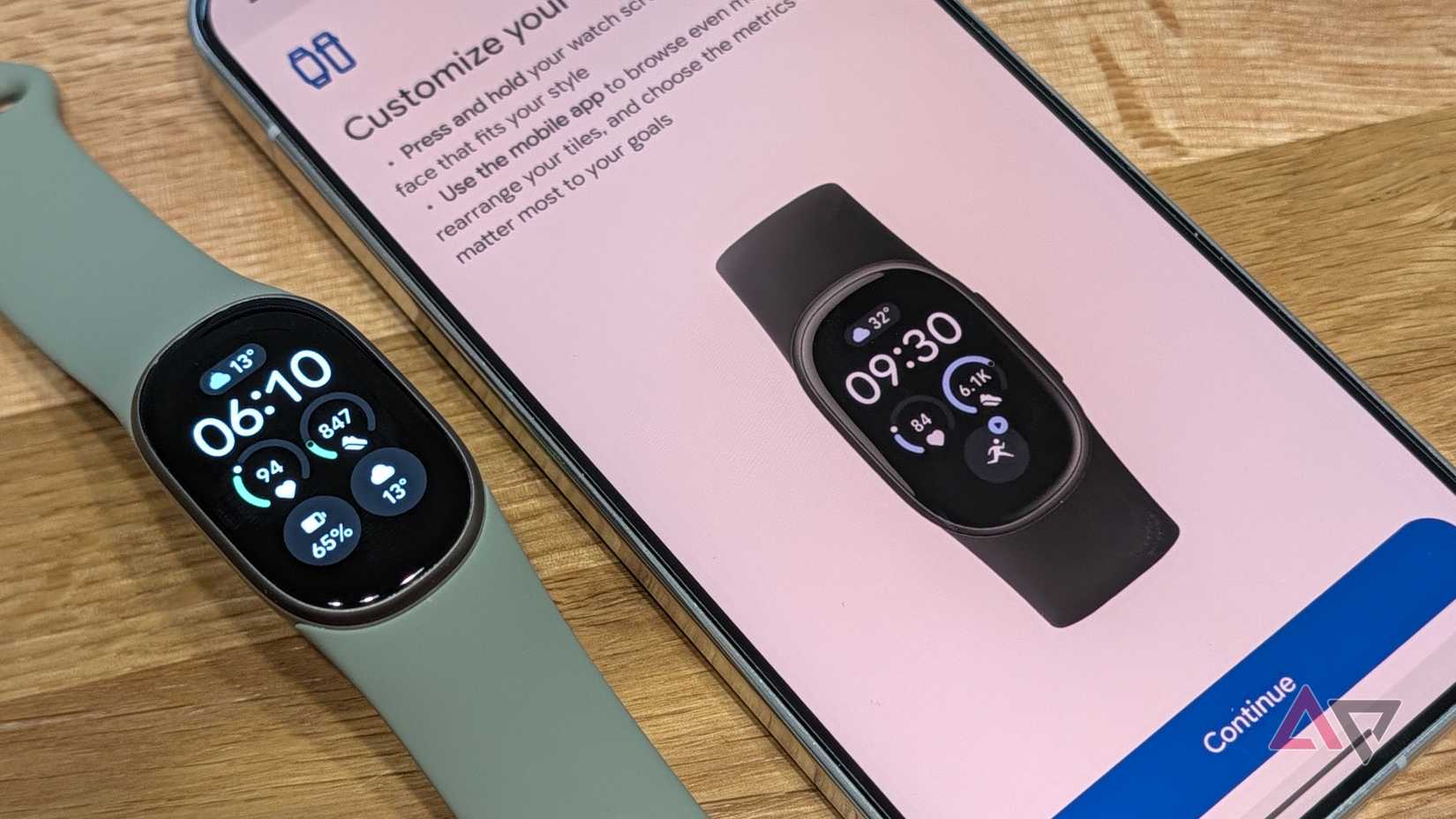
The extra space allows for more detailed home screen watch designs. The one I've settled on is Modular with the date and time up top and four different complications to show my heart rate, steps, the weather, and the battery percentage. And yes, the slots are customizable.
There are other clock designs. Although none of them is as artful as what the Fitbit Charge 6 offered, they're more informative and look more like what you find on the Pixel Watch, and keeping in line with the "complication" concept which lets you pick what you want to see in any slot to highlight the information that matters to you.
The metallic design feels high-end, too, and I'm very much a fan of the fact that the Fitbit Edge is repairable; at least the battery can be officially replaced, which was not possible on the Fitbit Charge 6.
The Edge brings better tracking all around
Altimeter, more accurate GPS, and more
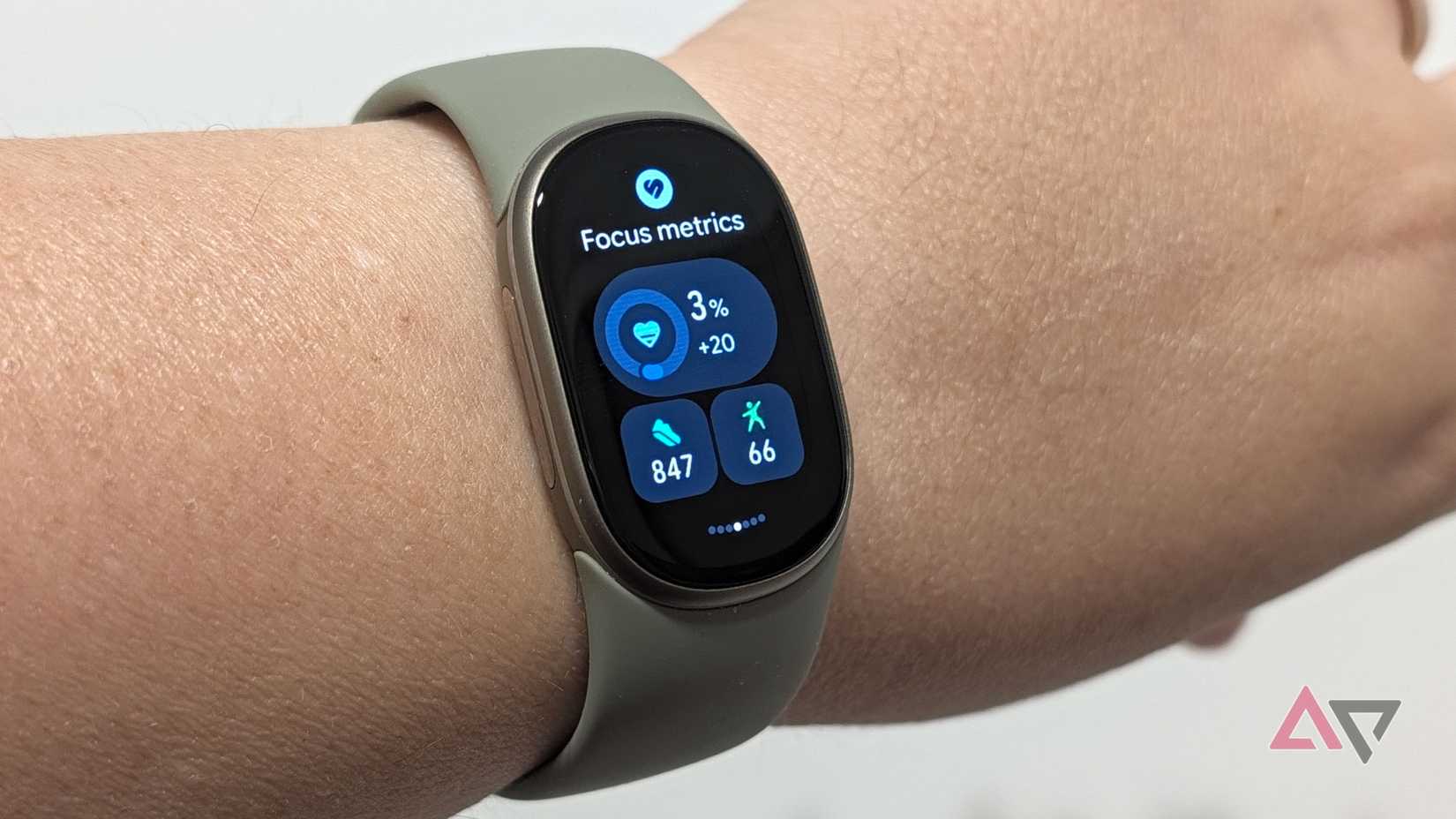
One of the reasons I didn't often wear my Fitbit Charge 6 was that it lacked an altimeter. I don't know why Google kneecapped it like that, but the tracker couldn't count climbed floors. And as a frequent hiker who takes pleasure in knowing exactly how much I suffered on a hike, it's an essential feature for my vanity... and my activity tracking, I suppose. The Fitbit Edge brings back the altimeter, thankfully.
Another improvement is with the onboard GPS. It's taken Google a long time to figure out how to improve its GPS accuracy — until the Pixel Watch 4, the maps were sometimes quite imprecise in some areas when using the watch's built-in GPS, but the Watch 5 improved that, and now the Fitbit Edge is getting the same perk.
My favorite improvement, though, is that the Fitbit Edge will join the Air and Pixel Watch in getting the new . This will make it one of the few trackers on the market to alert you of blood pressure, insuline resistance, and sleep breathing problems.
These can be potentially life-saving warnings, and I'm relieved to see Google include these new reports with its cheaper trackers instead of artificially limiting them to the more expensive Pixel Watch series. They definitely weren't part of the Charge lineup a few years ago.
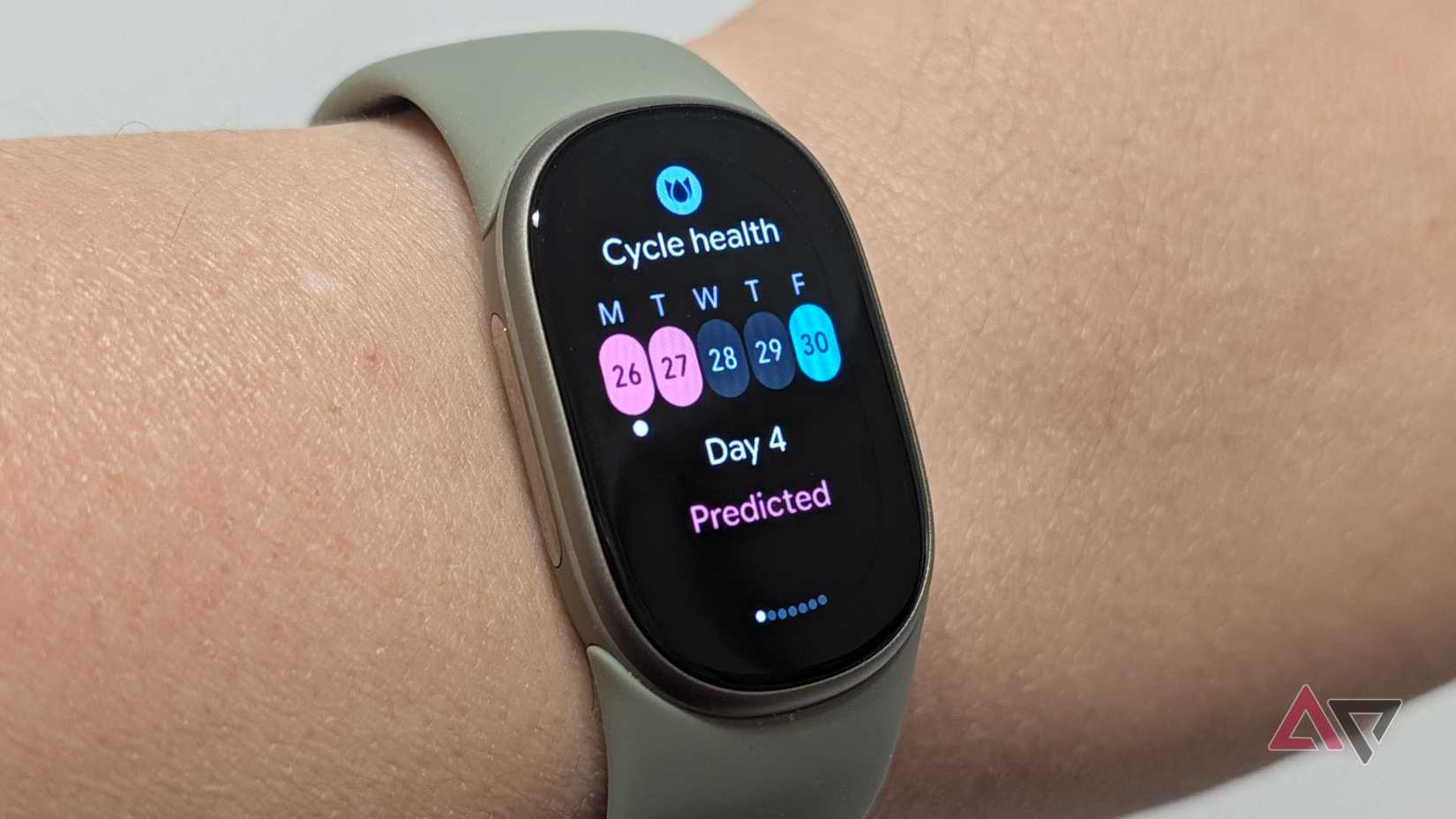
Plus, I'm happy to see that period tracking is directly accessible on the tracker. As far as I remember, the Charge 6 required me to use the app to see where I'm at in my cycle, but the Edge displays it right on my wrist. I still can't log it on the tracker, though. I hope this gets added in an update and becomes available like on the Pixel Watch.
Smarter in one way, dumber in another
Better music controls are a welcome addition
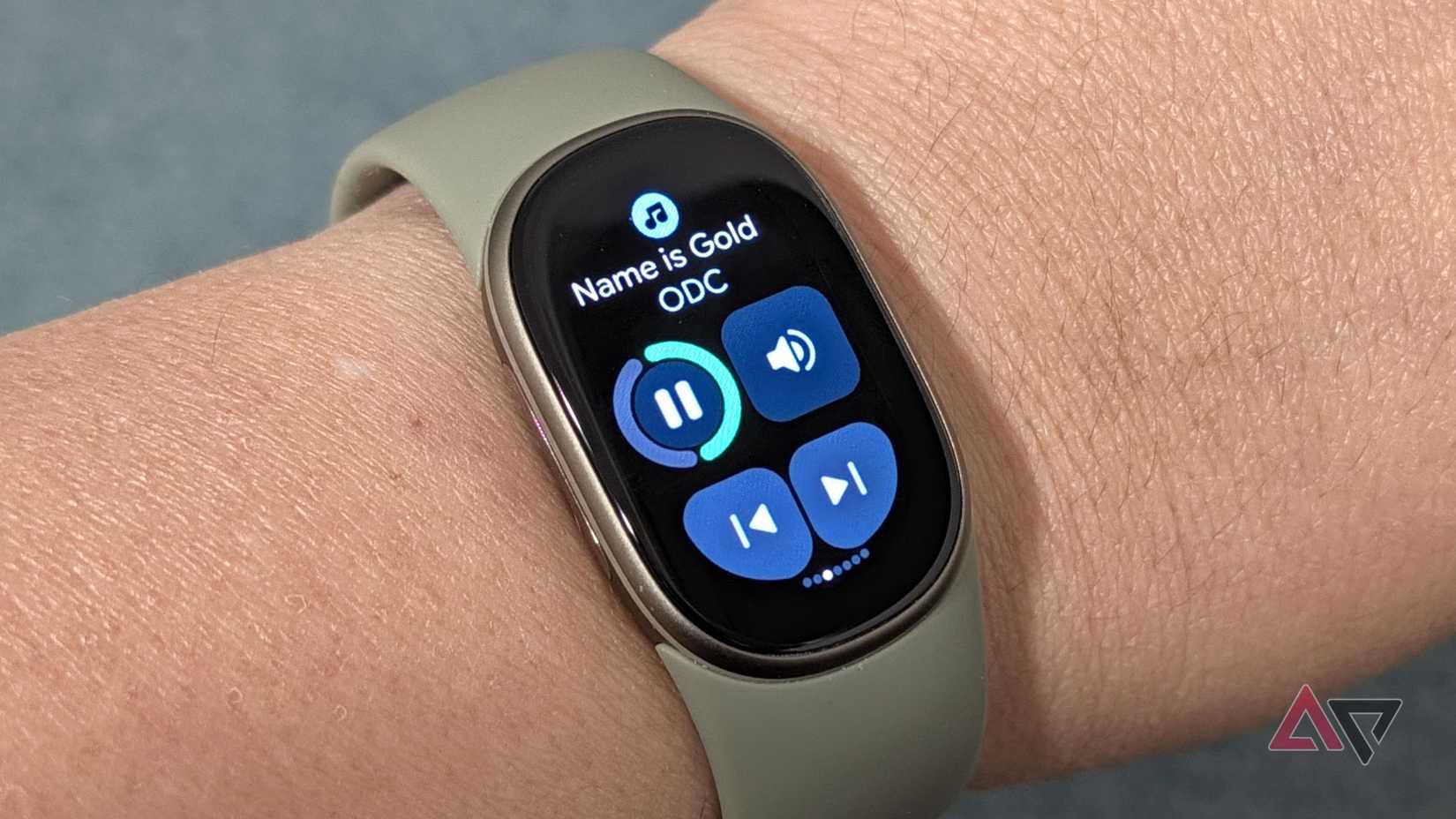
Another limitation of the Fitbit Charge 6 that kept me away from it was that its music controls were limited to the YouTube Music app. I'm a podcast listener and a Spotify user, so I couldn't control my music from the tracker and had to take my phone out of my pocket every time.
The new Fitbit Edge can see any ongoing playback notification from any music app and control that. There's a dedicated YouTube Music app, but you're not limited to that. If I start playback on Pocket Casts or Spotify on my phone, I'm able to see what's playing, pause, skip, rewind, and control the volume. This has become one of my favorite features on the Edge. It works very well.
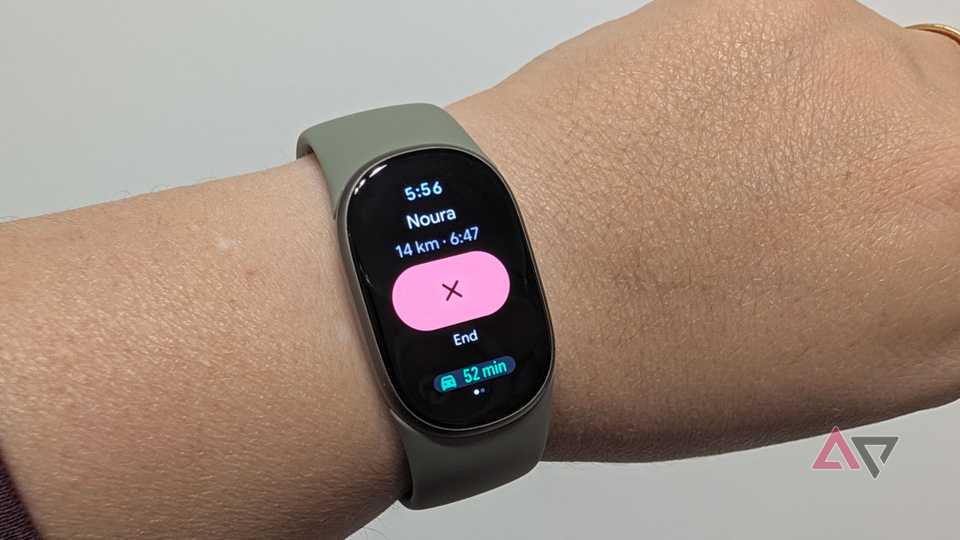
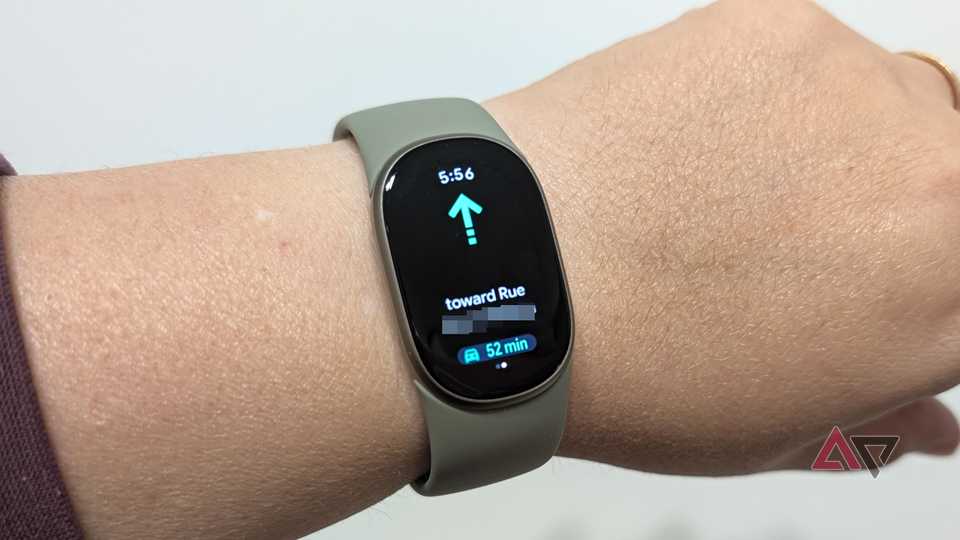
The Edge also has a Google Maps app, though you'll have to start navigation on your phone to get the directions on the tracker. Plus, you can receive notifications from any other app if you want them.
The one area where I'm disappointed by the Fitbit Edge is with the removal of NFC. Lately, NFC payments have become one of my favorite uses for my Pixel Watch 5 — just tap my wrist onto any terminal, and I'm done. No need to get my phone out or unlock it. It works so reliably, too, unlike on my Pixel phone lately.
So I was surprised to see that the Fitbit Edge doesn't support NFC payments. Google explained to me that NFC was one of the least used features on the Charge 6, which is why it was removed from the Edge. I understand the decision in that light, but it still annoys me that I'm missing on such a feature I've come to love and rely on.
This is the best Fitbit Charge you could buy
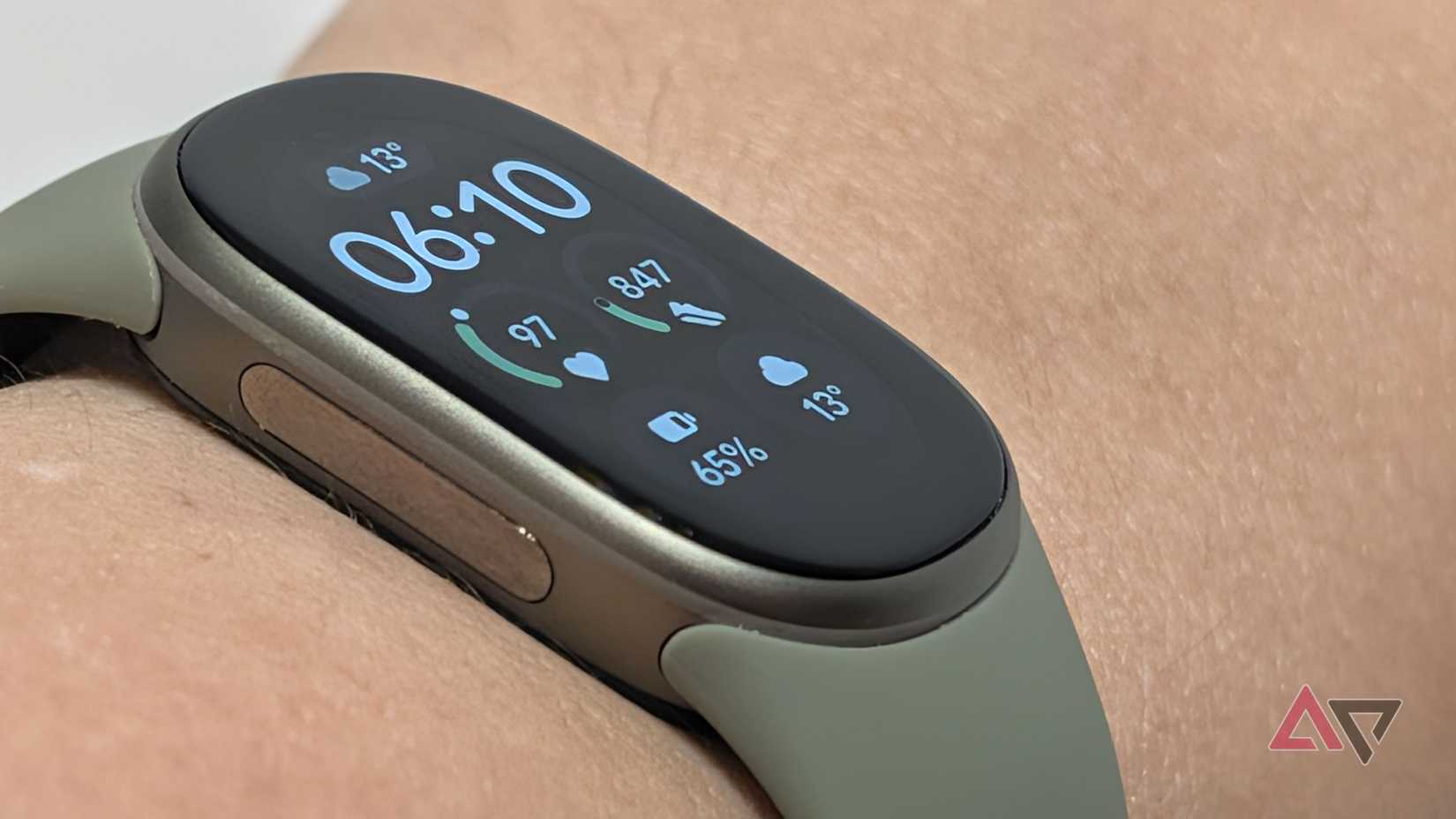
Although it doesn't have the Fitbit Charge name, the new Fitbit Edge is a good improvement over the existing Charge lineup. I'm not sure why Google felt like it had to rename the series, when it could've capitalized on its existing popularity, but maybe the "Charge" brand had been diluted lately and a fresh start is warranted here.
What the Fitbit Edge brings to the table is interesting. It's an excellent middle ground between the cheaper Air and the more expensive Pixel Watch 5. You get the screen, most of the tracking, some potentially life-saving warning reports, all in a small profile and a tracker that lasts multiple days on a charge.
I haven't personally managed to achieve the seven-day promise yet, but that's because I had made a bad mistake the first few days and ruined my Edge's battery life. I'm still testing that and will report when I have better data about what hurts the Edge's battery life.
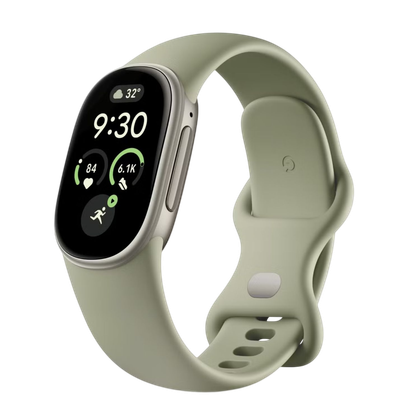
- Materials and finishes
- 100% recycled aluminum