
Samsung launched the Galaxy S26 series in late February this year with prices $100 higher than those of its predecessor. That was all thanks to the ongoing DRAM and NAND pricing crisis. Unfortunately, as the situation worsens, the company is raising prices for its 2026 flagship phones ahead of the important holiday season in the US.
The base Galaxy S26 now costs $999, up from its $899 launch price. That was already $100 more than the base Galaxy S25. So, in just one generation, Samsung's entry-level flagship Galaxy S phone now costs $200 more. The 512GB variant also gets a $100 price bump, bringing it to $1,199.
The Galaxy S26 Plus is getting a similar price hike, with the 256GB and 512GB variants becoming $100 more expensive and costing $1,199 and $1,399, respectively.
Even the Samsung Galaxy S26 Ultra, which already started at $1,299 with 256 GB storage, is not safe from the price hike. The Ultra flagship now carries an MSRP of $1,399. Worse, if you opt for the 512GB model, that will set you back by $1,599 — up from $1,499.
While Samsung has raised prices by $100 for most of its Galaxy S26 lineup, the 1TB S26 Ultra gets the biggest hike at $200, pushing its MSRP to $1,999.
With this price revision, the Galaxy S26 Ultra now costs more than the iPhone 18 Pro Max in the US, which starts at $1,299. Despite the DRAM and NAND shortage hitting Apple equally, it only increased the price of its flagship phone by $100 this year.
Samsung’s price hikes spare the recently launched Galaxy S26 FE, which still starts at $699.
Other markets have not been spared from the price hikes, either


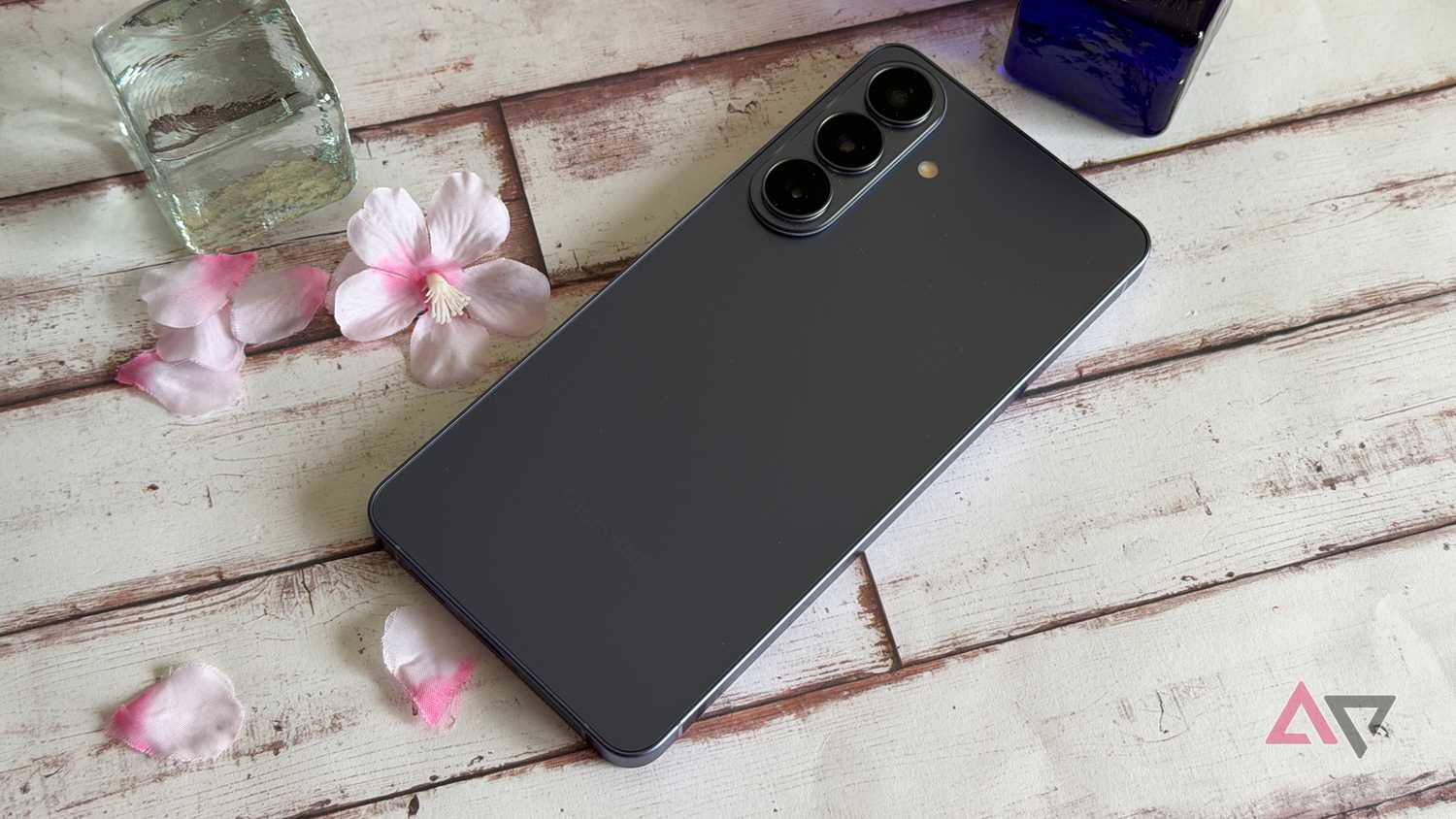
Besides the US, Samsung is also raising prices of its flagship phone in South Korea. It also recently increased the S26 family's price in India. It even bumped prices of its last year's flagship, the Galaxy S25, in some markets.
As of now, only Samsung's online store in the US is reflecting the increased prices. You can still get the phones at their original MSRP on Amazon and probably at your nearest Best Buy or Walmart.
So, if you have been holding out on buying the Galaxy S26, you might just want to pull the trigger now on the best deal available.
Unfortunately, with there being no signs of the DRAM and NAND shortage crisis ending anytime soon, smartphone prices will possibly continue to increase.