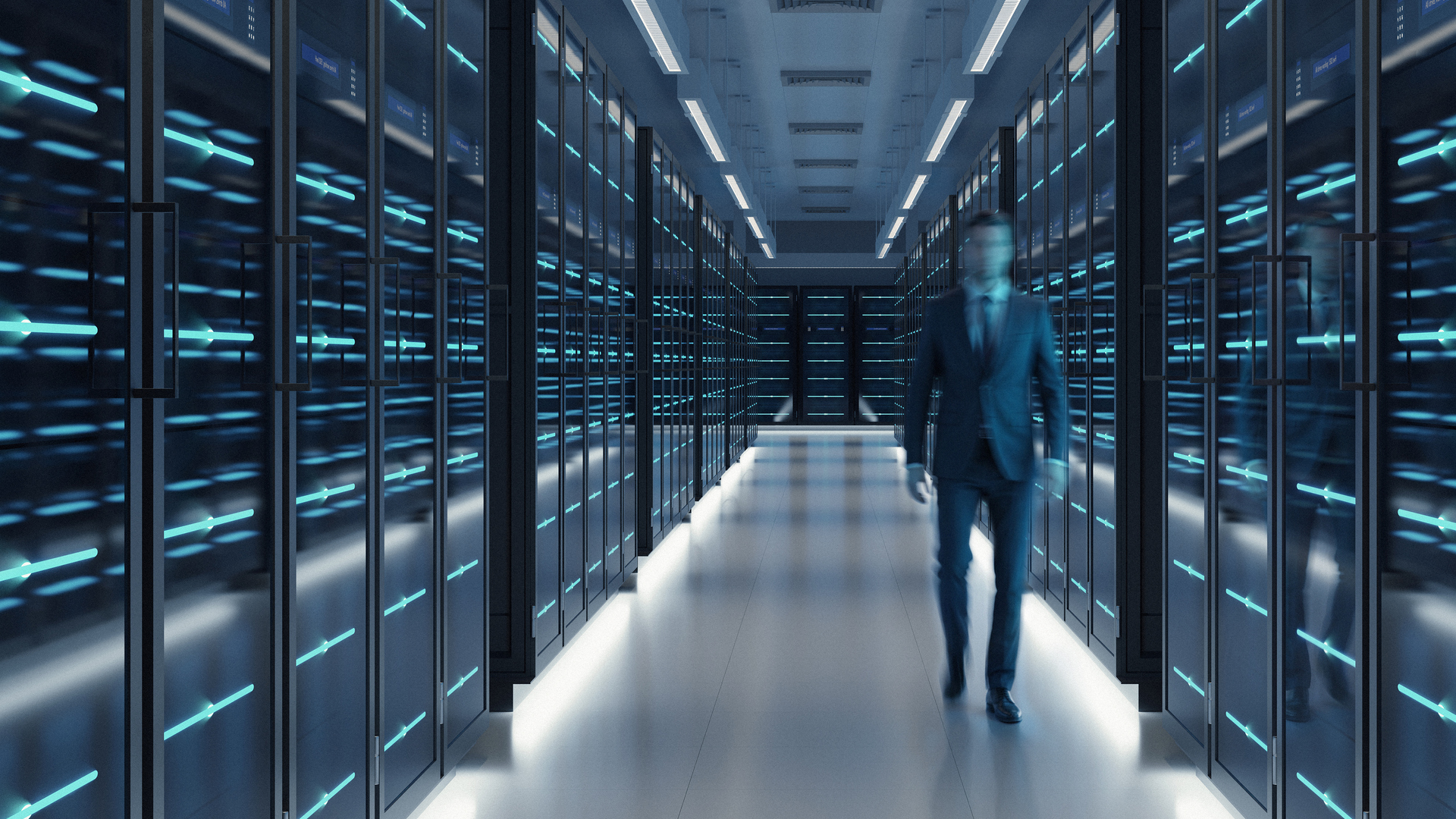
- Dell, Apollo and Jera plan up to 4GW of AI infrastructure within five years
- A $15bn Tokyo project will launch Japan’s biggest AI infrastructure push yet
Japan is preparing a major expansion of artificial intelligence infrastructure, with Dell, Apollo and Jera planning investments potentially reaching $140bn.
The companies intend to develop between 3GW and 4GW of AI computing facilities alongside gas-fired generation during the next five years.
Their first project is expected to cost $15bn and deliver 400MW near Tokyo, with operations scheduled to begin around 2028.
Speed and power drive the plan
A Jera executive said the companies are seeking faster development by linking electricity generation directly with computing facilities.
“The keyword is speed to power. If you see Asia outside China, Japan is a major data centre market,” said Yukio Kani, global chief executive of Jera.
Kani said Jera’s annual LNG trading volume of 35mn tonnes could support power plants serving computing facilities for planned sites.
The proposed Tokyo-area development would operate independently from Japan’s national electricity network.
Apollo will finance the initial $15bn facility, while Dell and Jera will contribute technology and energy infrastructure capabilities.
The estimated cost of $35bn to $45bn for each gigawatt places the potential programme near $140bn in investment.
The partners also intend to standardise construction methods for computing facilities and electricity infrastructure.
That approach could allow projects to be replicated elsewhere, with companies considering additional developments beyond Japan.
The planned capacity would give the partnership a substantial presence in Japan’s expanding market for electricity-intensive artificial intelligence services.
However, the proposed scale depends on delivering both generation assets and computing facilities within five years.
Japan seeks more AI capacity
The proposed facility near Tokyo is expected to become one of Asia’s largest artificial intelligence computing projects outside China when operations begin.
Its independent electricity supply could reduce reliance on the existing grid, although there are no details about generation capacity.
The partners have not limited their ambitions to Japan, saying facilities and power projects could be developed elsewhere across Asia.
Japan already hosts major operators including NTT Data and SoftBank, while Blackstone has announced a separate $30bn expansion programme in the coming years.
Despite those investments, Japan remains well behind the United States and China in electricity use associated with installed computing facilities.
According to the International Data Center Authority, US data centres consume 29.2GW of electricity, representing 43% of global data centre consumption.
China accounts for 8.5GW, while Japan consumes only 1.7GW, equivalent to approximately 12.5% and 2.5%, respectively.
However, Japan’s figure could rise as the government seeks ¥32.7tn, equivalent to $206bn, in public and private investment through 2035.
This investment forms part of Prime Minister Sanae Takaichi’s plan to support strategically important sectors.
The programme includes cloud computing and data centre infrastructure among the areas designated for strategic investment through 2035.
These planned investments therefore give Japan a larger role in the regional expansion of AI computing infrastructure and electricity supply.