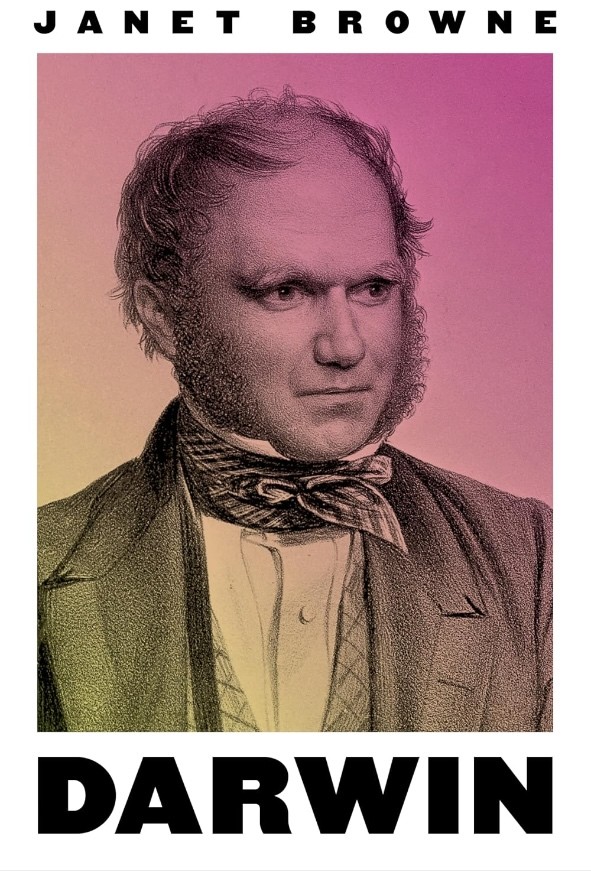
Janet Browne Princeton Univ. Press (2026)
Science historian Janet Browne published a biography of naturalist Charles Darwin in two parts in 1995 and 2002. She has now produced an abridged, updated single volume. It “deals less with the details of the science and more with the cultural conditions that could shape a scientist as remarkable” as Darwin, she writes. The book draws on letters from the multi-volume The Correspondence of Charles Darwin (1985–2023) and the website The Complete Works of Charles Darwin Online. Both the man and his science come vividly to life.
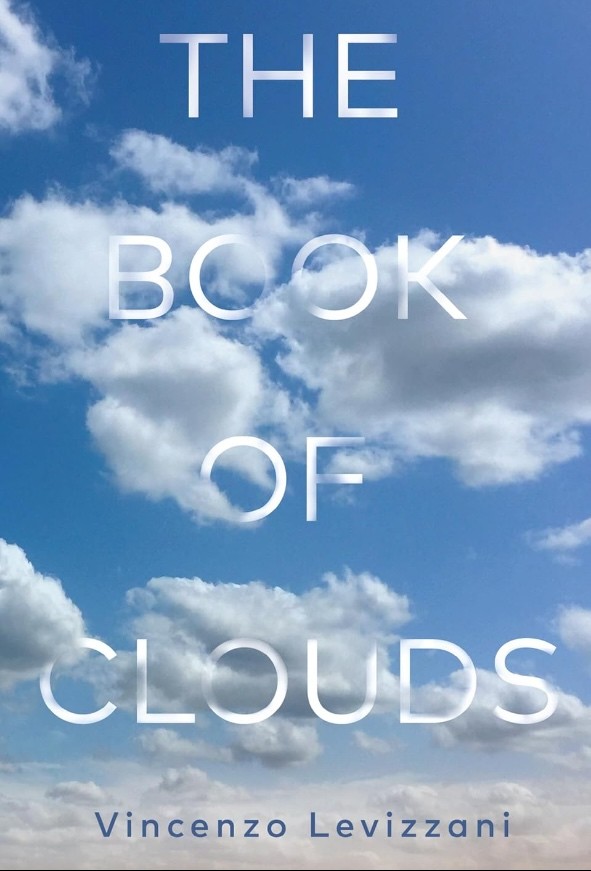
“Explaining the secrets of clouds” requires physics, chemistry and biology, notes Vincenzo Levizzani, a meteorologist and cloud physicist. Indeed, the first scientist to record systematic observations of clouds, in 1803, was the chemist and pharmacist Luke Howard. Two centuries later, numerous aspects of clouds remain poorly understood, Levizzani explains, in his appealing, well-illustrated book. For example, meteorologists are not yet able to predict how global cloud distribution will evolve as a result of climate change.
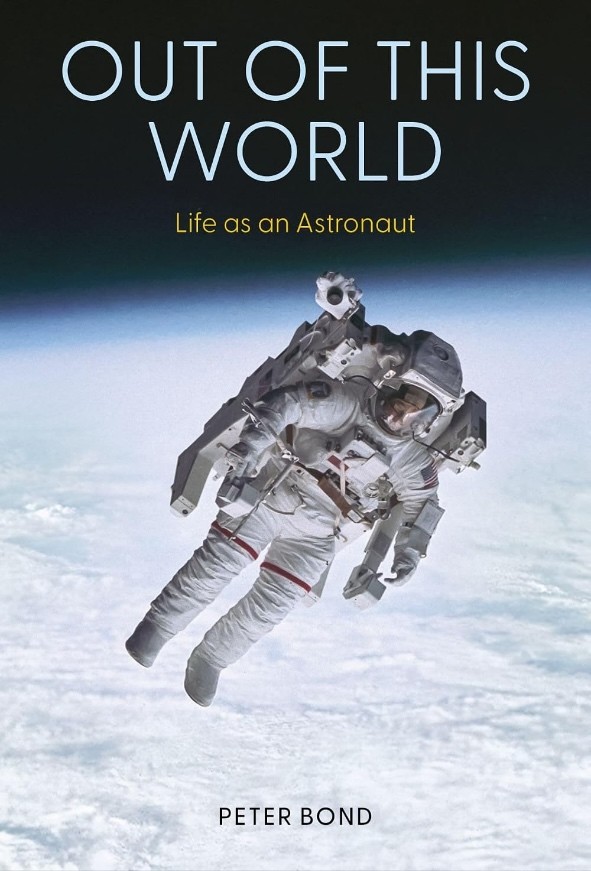
Science writer Peter Bond grew up during the space age. He has been an adviser for the UK Royal Astronomical Society and a consultant for the European Space Agency. His latest book explores space exploration with expertise and passion, through the lens of both astronauts and spacecraft designers. But he admits that, nowadays, space flights are hardly mentioned by the global media “unless some unusual, possibly life-threatening, event occurs” — some of which he recounts graphically in the final chapter, ‘A Risky Business’.

Joseph Turow Chicago Univ. Press (2026)
Enjoying our latest content?
Log in or create an account to continue
- Access the most recent journalism from Nature's award-winning team
- Explore the latest features & opinion covering groundbreaking research