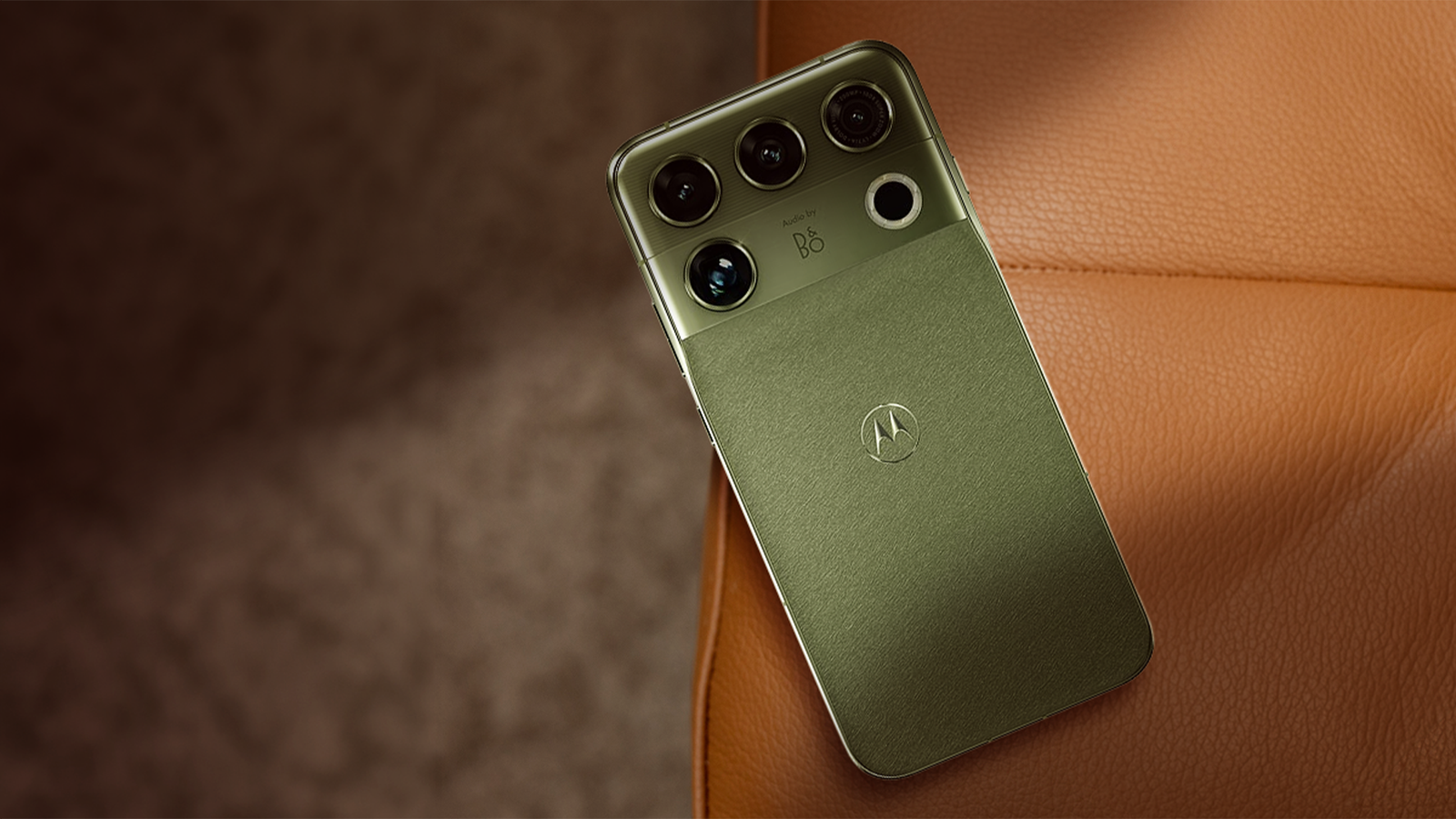
Motorola wants to make its mark in the premium smartphone market, and the Motorola Signature 27 is its latest attempt.
The phone packs everything you'd expect from a top-end flagship, and then some. On paper, it looks capable of giving Samsung's Galaxy lineup a serious run for its money.
However, a great flagship smartphone involves more than impressive specifications. Samsung has built an experience that goes beyond hardware, and that's where faces its biggest challenge.
Motorola has gone all out with the hardware
The company has thrown everything at its new flagship
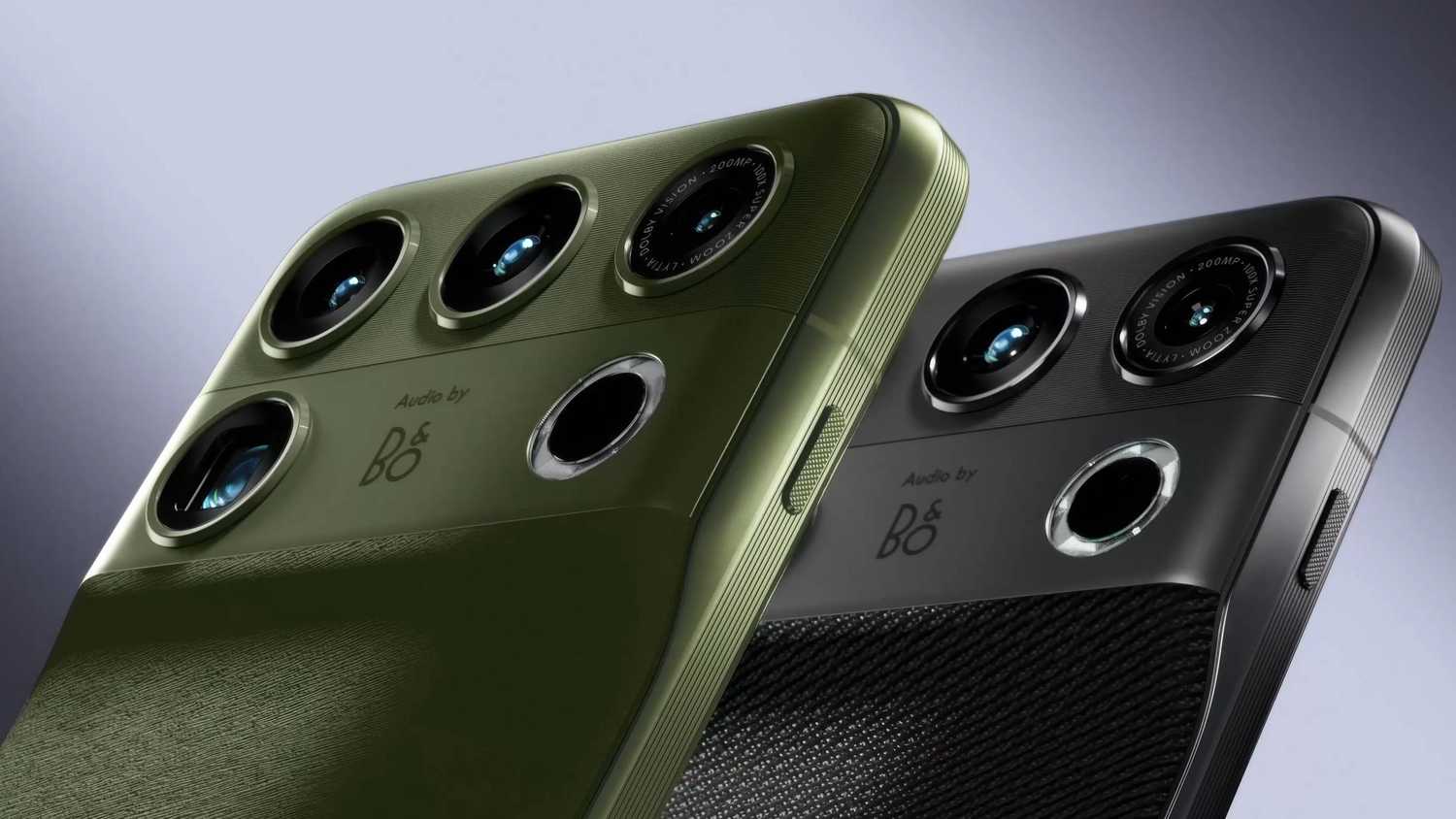
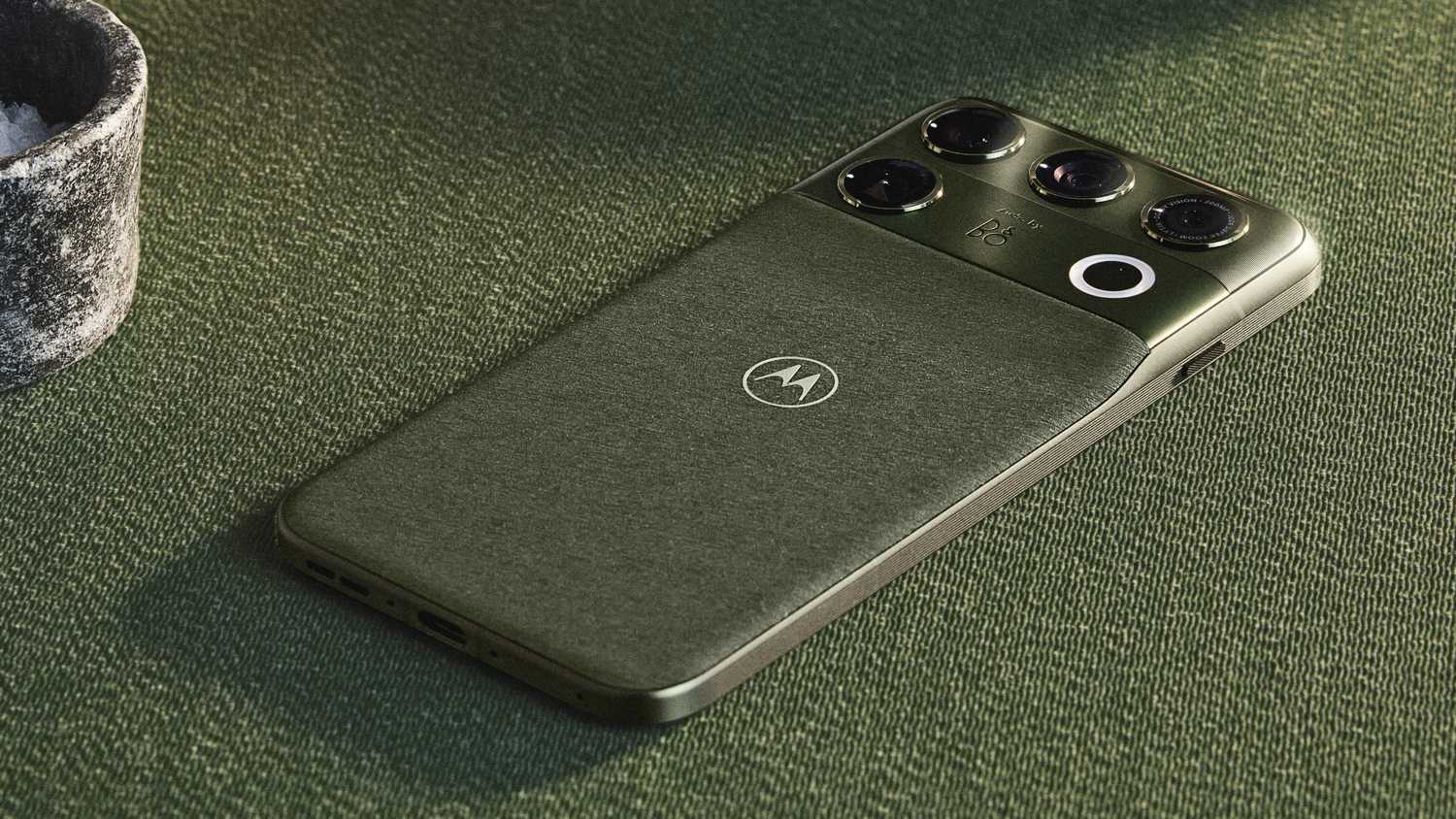
Motorola clearly wants the Signature 27 to compete with the best Android flagships, and it has equipped the phone accordingly.
It runs on Qualcomm's Snapdragon 8 Elite Extreme Gen 6 processor, paired with a cooling system designed for steady performance during demanding tasks.
The 6.8-inch tandem AMOLED display is another highlight, with a 120Hz refresh rate and a claimed peak brightness of 12,000 nits.
The camera setup is equally ambitious. You get a 50MP Sony LYTIA main camera, a 200MP periscope telephoto camera with up to 100x zoom, and a 50MP ultrawide camera.
It also has a dedicated action sensor to capture fast-moving subjects with less blur.
Then there's the 7,000mAh battery, which supports 90W wired and 50W wireless charging. That's a substantial battery for a flagship, considering how much smaller the batteries in Samsung's top-end phones are.
Taken together, these specifications make the Signature 27 difficult to dismiss.
Motorola has closed the software gap
But Samsung still has an edge
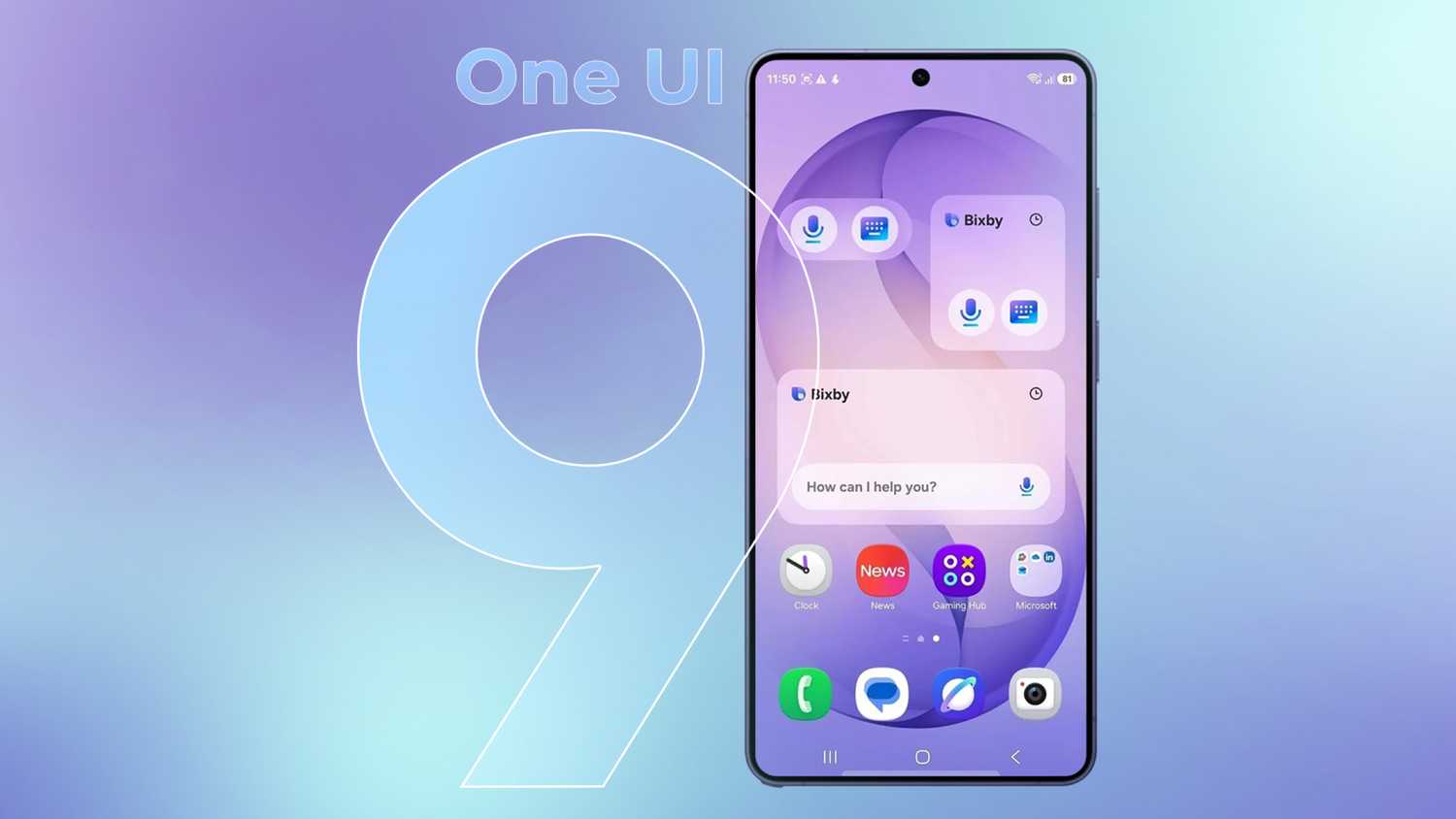
Motorola's Hello UI keeps things relatively clean and uncluttered. The company has also committed to long-term support, promising seven years of OS and security updates.
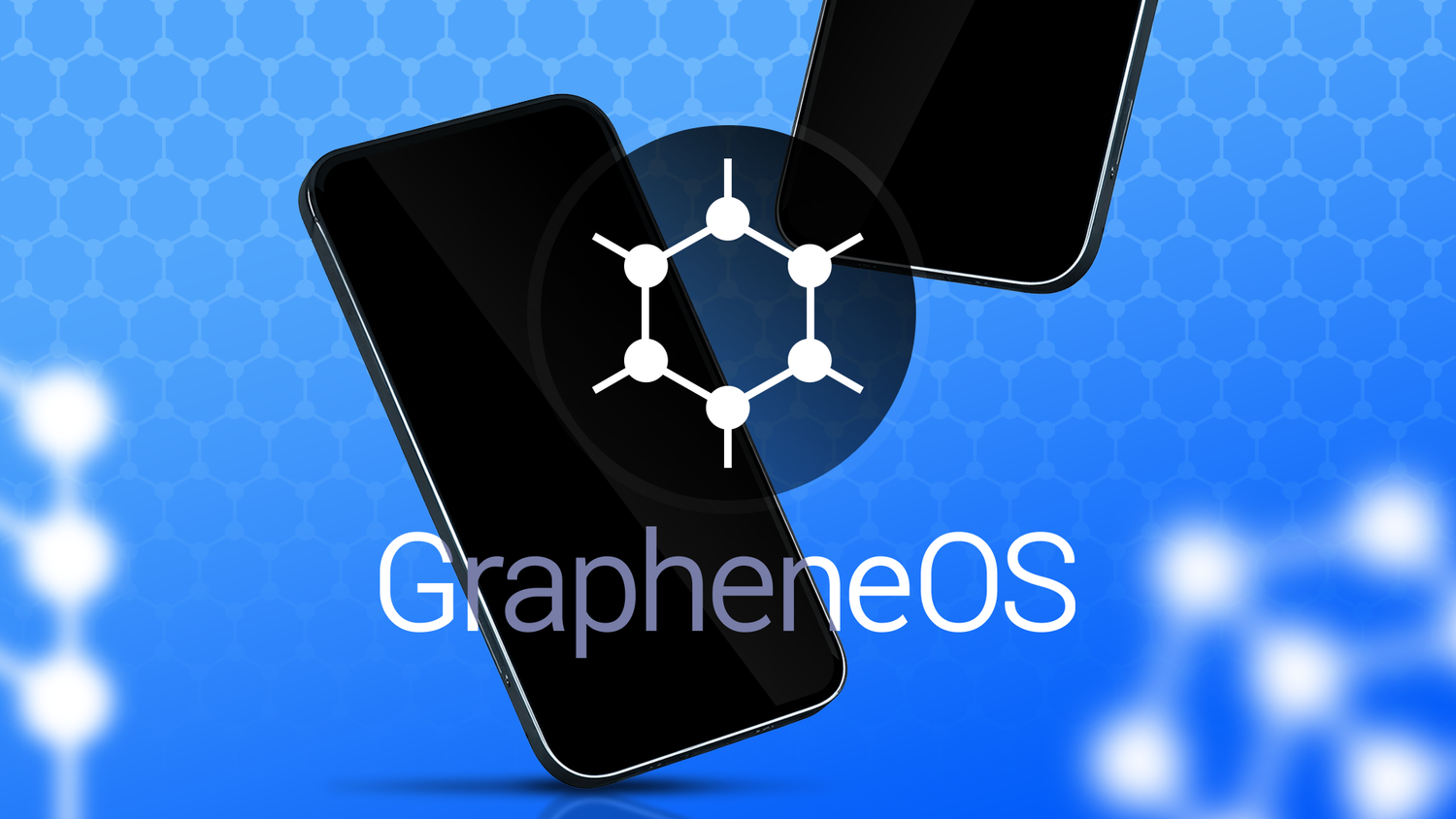
The Motorola Signature 27 has another unusual feature: it supports GrapheneOS, a privacy-focused version of Android.
Until now, GrapheneOS has been available only on Google Pixel phones, making the Signature 27 its first non-Pixel device. That's a significant development for users who want stronger privacy and security controls without being tied to Google's hardware.
The device also has Gemini built in, along with its own Qira AI assistant.
Samsung, however, has a more developed software ecosystem. One UI offers plenty of customization and multitasking features, while Galaxy AI is increasingly integrated into everyday tasks.
There's also Samsung DeX, which lets compatible Galaxy phones offer a desktop-like experience when connected to an external display.
Add the ability to move between Galaxy phones, tablets, watches, and other devices, and Samsung offers an advantage that's tough to replicate with a single smartphone.
Motorola's battery advantage could be a big deal
A 7,000mAh battery is hard to ignore
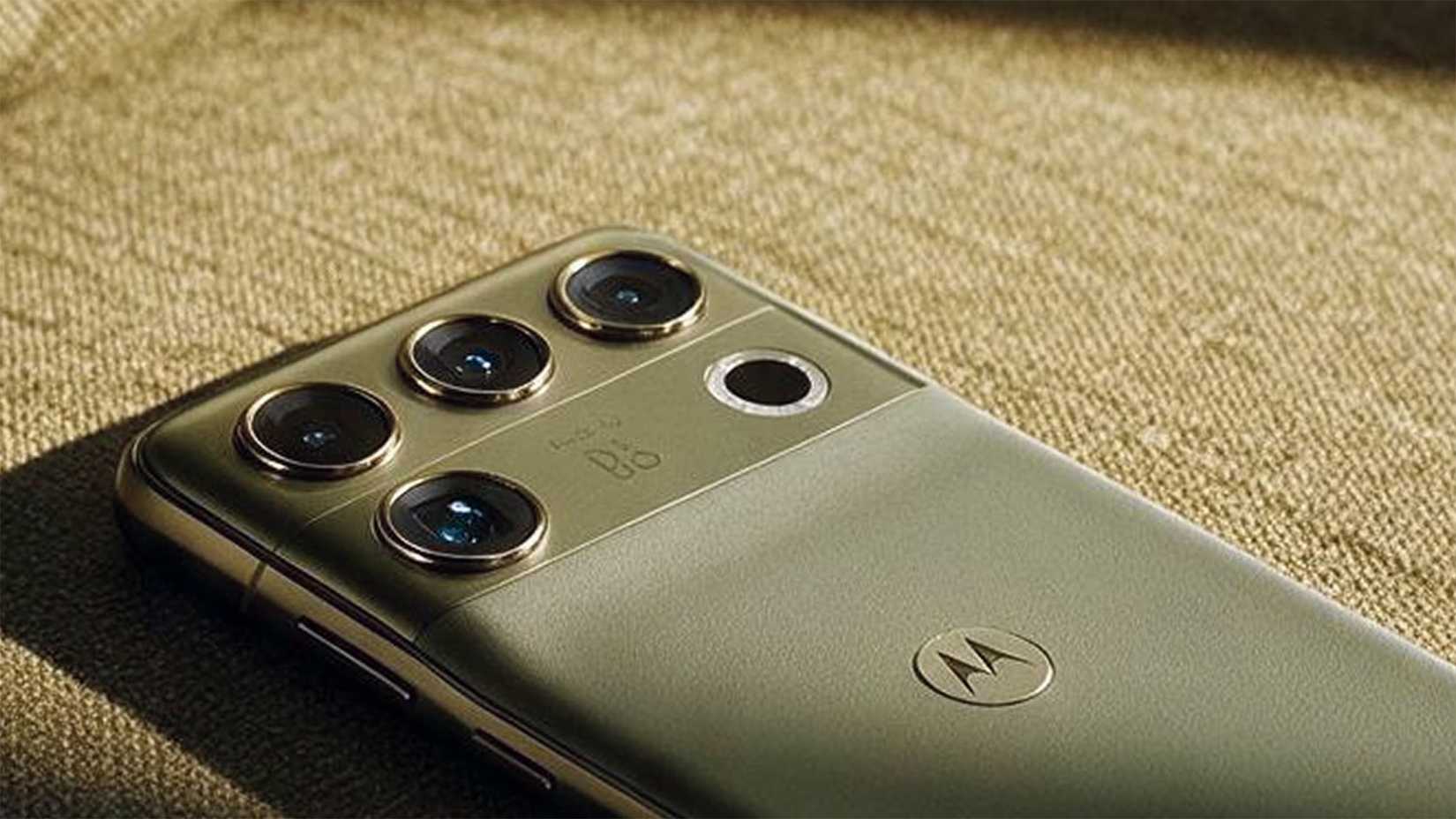
The Signature 27 packs a 7,000mAh silicon-carbon battery, compared with the Samsung Galaxy S26 Ultra's 5,000mAh battery.
That's a sizable difference, and it could make the Motorola a more appealing option for people who spend a lot of time gaming, streaming videos, or traveling without easy access to a charger.
Motorola also has the upper hand regarding charging speeds. The Signature 27 supports 90W wired and 50W wireless charging, while Samsung's flagship supports 60W wired and 25W wireless charging.
That means less time waiting around for a top-up, particularly if you're used to charging your phone in short bursts throughout the day.
However, a bigger battery doesn't automatically mean longer real-world battery life. We'll need comparable battery tests to know just how much longer the Signature 27 lasts.
Still, Motorola has given buyers a compelling reason to consider its phone, and this is one specification where Samsung has some catching up to do.
Motorola's 7 years of updates sounds great
But there's a catch
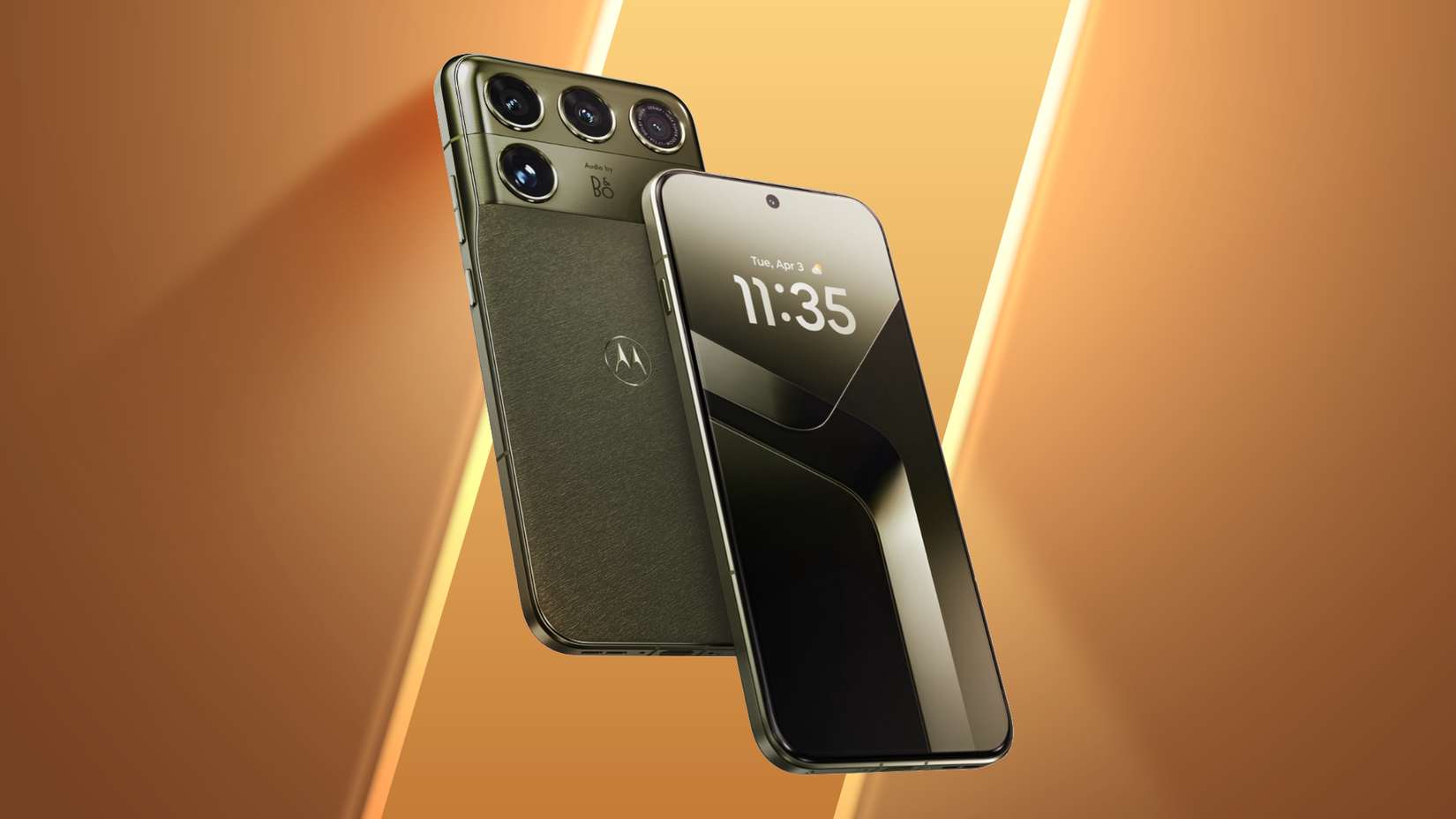
Motorola's commitment to provide seven years of software support for the Signature 27 is significant, especially given the company's reputation for delaying Android updates.
It puts the phone on par with Samsung's flagship update commitment. However, Motorola isn't promising the same update schedule.
The Signature 27 is eligible for up to seven major Android OS upgrades and up to seven years of security updates.
However, Motorola plans to release security patches every two months rather than monthly, as Samsung does for its flagship phones.
The company also says this schedule isn't guaranteed, with update availability varying by market and carrier.
When you're paying flagship prices and expect to keep your phone for years, consistency matters. Samsung has a more established track record here, while Motorola still needs to prove it can deliver on its ambitious promise.
The price puts Motorola in a difficult position
Samsung offers buyers more choice
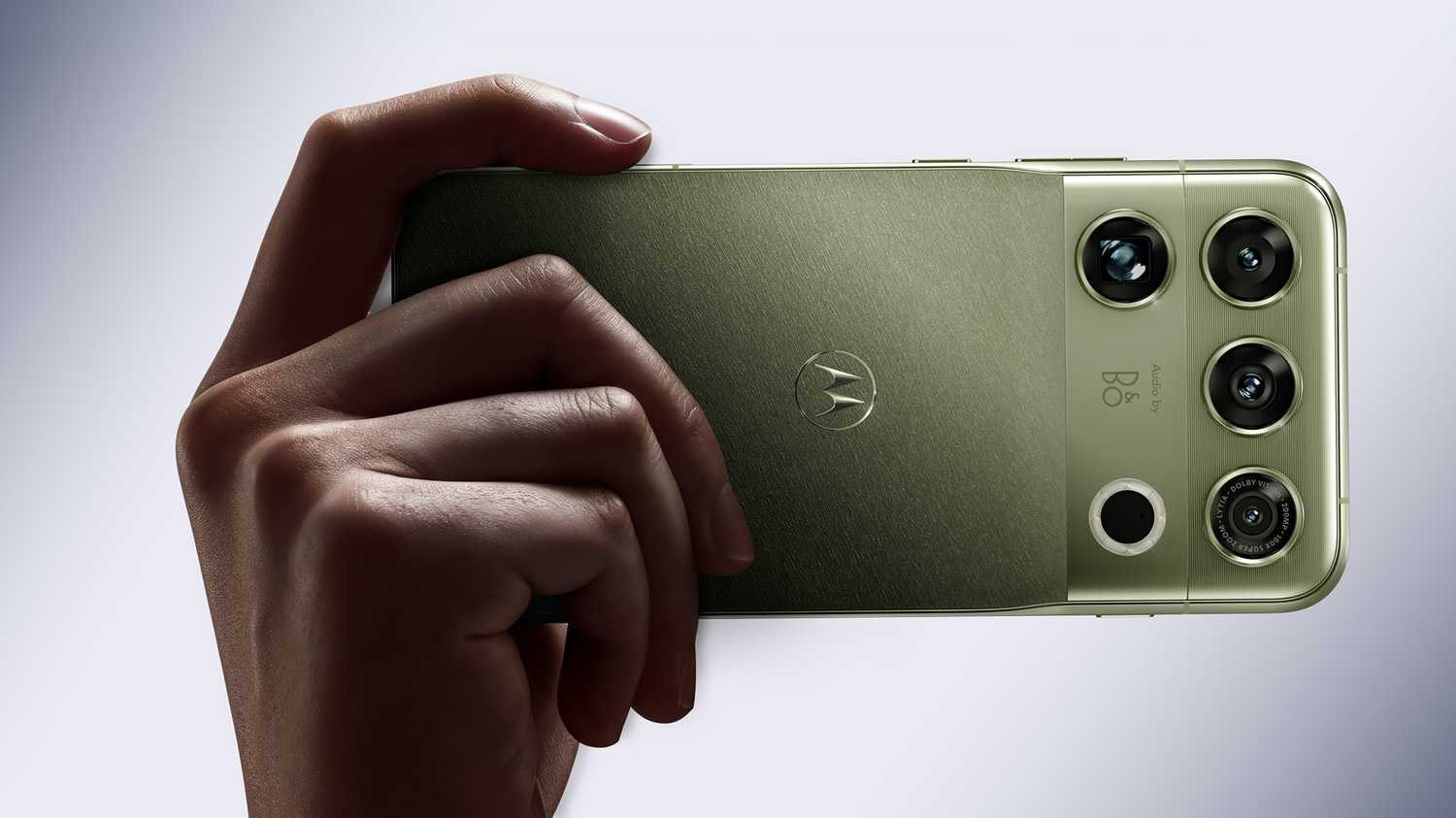

The Signature 27 has the hardware to compete with Samsung's best, but its $1,599 US price makes that a harder sell.
Motorola is offering the phone in one US configuration, with 12GB of RAM and 512GB of storage. Samsung's Galaxy S26 Ultra starts at $1,399 for 256GB, costs $1,599 for 512GB, and goes up to $1,999 for the 1TB model.
That gives Samsung an advantage in terms of choice. Buyers who don't need 512GB can save $200, while those who need more storage can opt for the 1TB model. Motorola doesn't offer either option in the US.
Samsung has an established premium-phone lineup, a familiar One UI experience, the S Pen, and a wider Galaxy ecosystem.
Motorola is asking consumers to pay the same price for its device as they would for Samsung's 512GB flagship model, despite lacking the same established reputation in the premium market.
The Signature 27 has some compelling features, particularly its larger battery and faster charging. But at this price, buyers have plenty of reasons to consider Samsung instead.
A more competitive starting price would have made its flagship proposition considerably more appealing.
The Motorola Signature 27 has a lot to prove
Motorola has put a lot of effort into making the a proper premium flagship. Its massive battery, fast charging, ambitious camera hardware, and newer Snapdragon processor give it plenty of reasons to stand out.
But that's only part of the equation. Samsung's brings a more established software experience, the S Pen, useful productivity features, and a broader ecosystem.
Ultimately, the Signature 27 looks like a promising flagship, but impressive specifications alone won't make it a Galaxy killer.