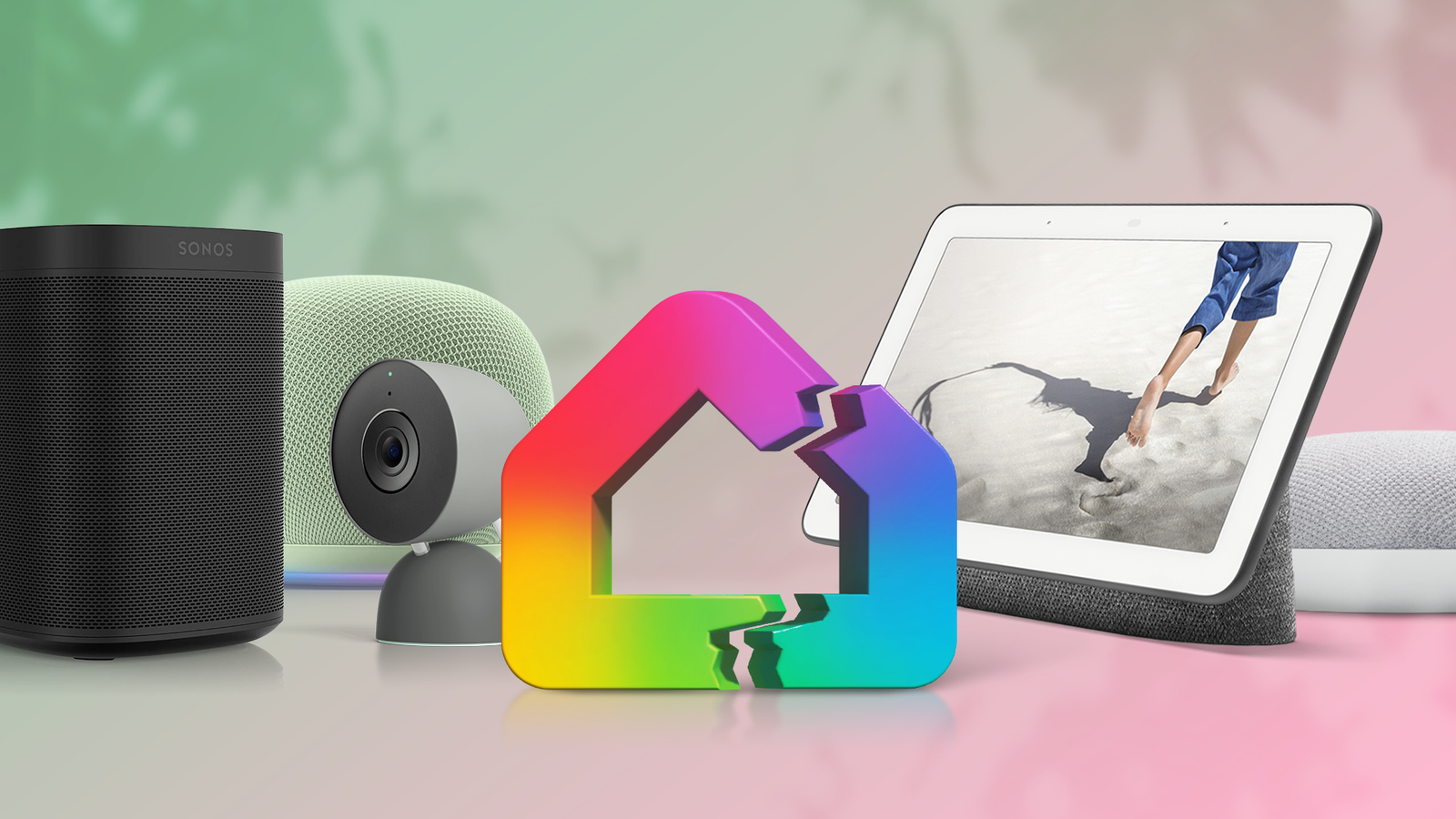
We've been living with smart home technology for well over a decade. Starting with the introduction of the , the idea that your house could become an interconnected series of devices that reported back to a central hub was no longer just science fiction.
It looked like an inevitability. Except, it wasn't. The dream of a true smart home is dead, and Google killed it.
The smart home dream looked possible a decade ago
The Iron Man home we all dreamed of
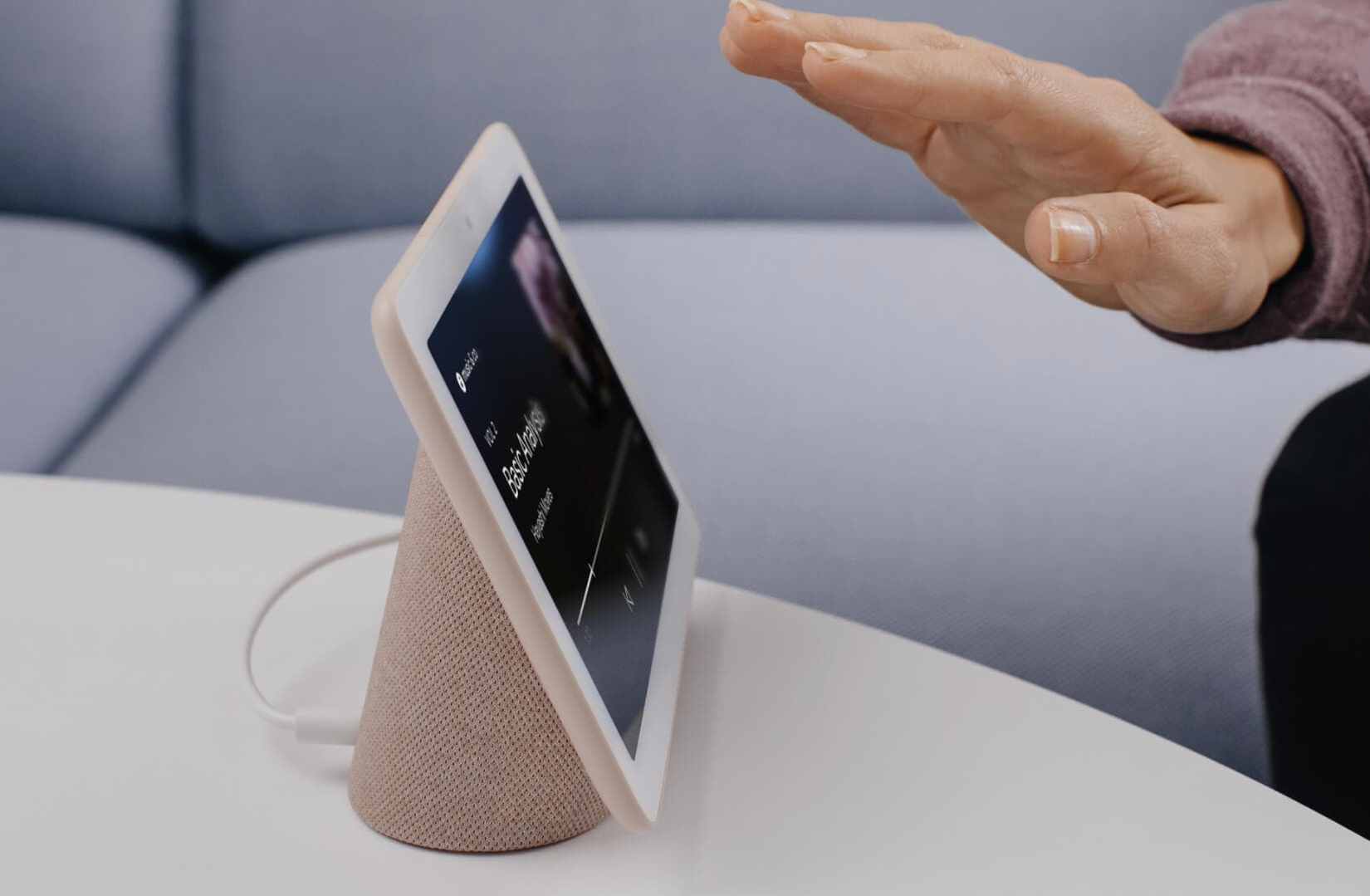
If you're reading this, you're very likely to be a tech nerd of some sort. And if you're a tech nerd, you understand why a true smart home is appealing.
Fully kitted out, a real smart home could be wonderful. Imagine coming home after a long workday. You leave your car, and there's no need to unlock the door because the smart camera has noticed you've arrived and told your door to unlock.
As you step inside, the lights come on without you lifting a finger, and calming music starts playing. As you move through the house, the music follows you. You start cooking dinner and ask your speaker to switch to a more upbeat playlist. It does.
You know what you're having for dinner because the smart fridge tracks everything inside, and you know it ordered more ingredients earlier in the day.
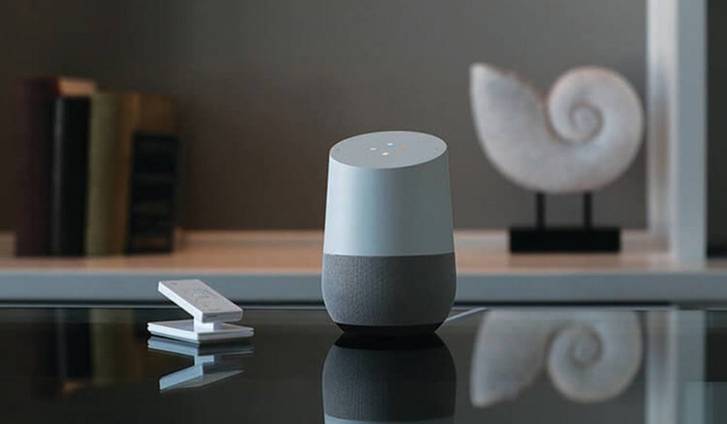
You don't need to lift a finger; just do what you want. Your smart home handles all the small, everyday tasks that you don't want.
It was science fiction. It was Tony Stark's home in the first Iron Man movie. Jarvis, open the shutters.
But it stopped being fiction and moved closer to reality when the first Nest Thermostat arrived in 2011. When Amazon Alexa and Google Assistant followed a few years later, with their strong emphasis on controlling other devices, a smart home suddenly seemed possible. And not just possible — only a matter of time.
It was simple: If everything is tied to Google Assistant or Alexa, then everything else just needs to listen to them.
Except it wasn't an inevitability. It was far from it.
Smart homes are built on feet of clay
You can't build without a solid foundation

Any house is only as stable as its foundations, and a smart home's foundations were less stable than anyone hoped.
Tech companies are, by and large, growth companies. That means they need to be constantly changing and improving, and that always includes big flagship products like digital assistants.
For many smart homes, those digital assistants formed the bedrock of interconnectivity. They often let one device talk to another, or be controlled by a central hub. If you wanted your smart lightbulbs on, you'd ask Google Assistant or Alexa to turn them on.
And that's great, until it isn't.
Bugs are a natural part of software, and our digital assistants have plenty. New features are added regularly, and older ones are tweaked and improved, and all that churn changes more than just the features the updates target.
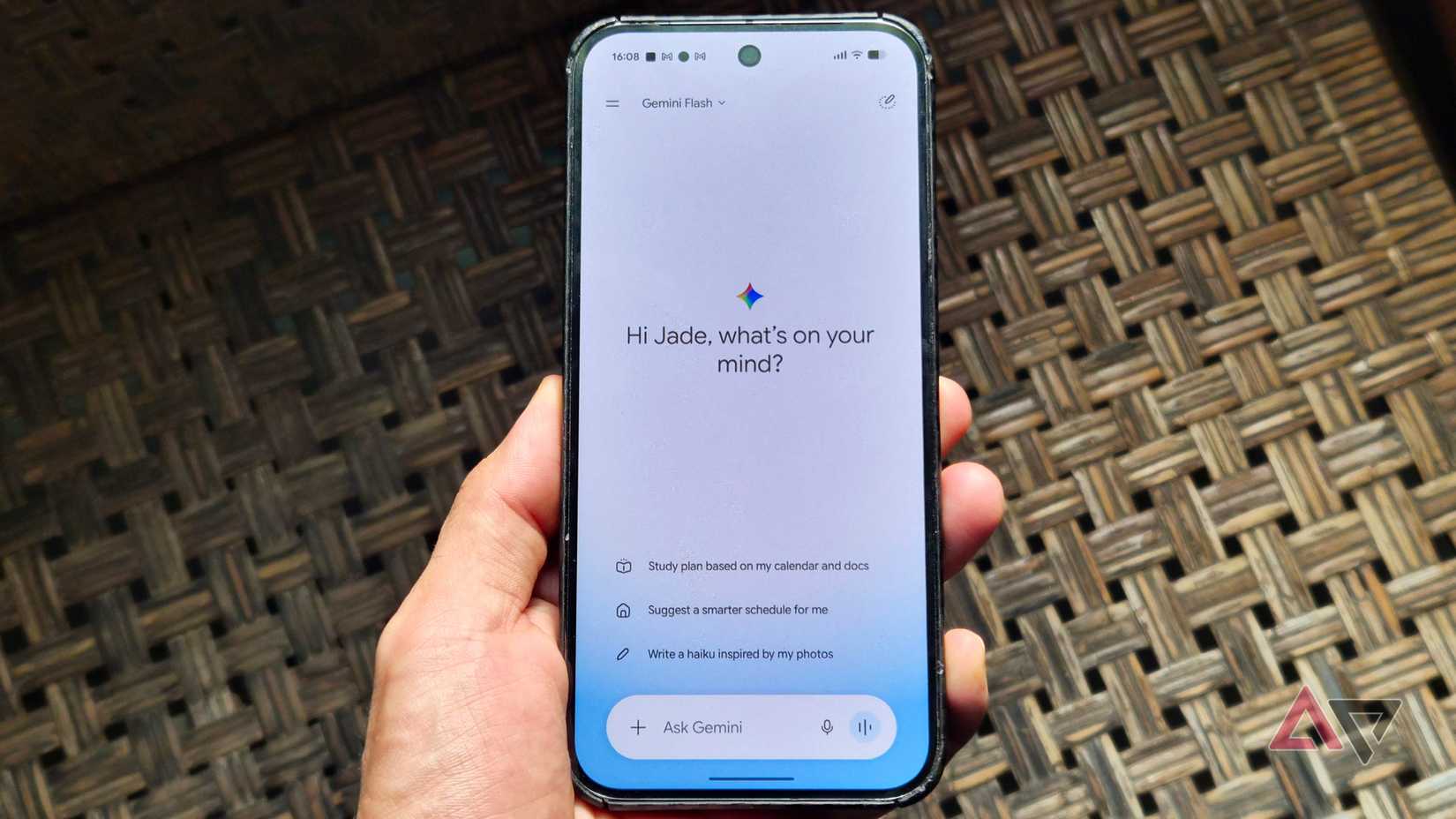
Stability is not a given with a smart home. On any given day, a feature might work or it might not. Stuff that's worked for years may suddenly stop working because of an update you didn't even know about. Digital assistants may suddenly be worse than they were before.
None of this is hypothetical; it's already happened. Google Assistant has been getting worse, and Google has acknowledged it. Beloved smart home features have suddenly broken, and many suspected it was being done on purpose.
The reason for the conspiracy was also the death knell: the replacement of Google Assistant with Gemini.
, and with it, so are many of the skills that people used to keep their smart homes purring along. Gemini either can't do what Google Assistant did, or the older hardware people are relying on was never updated to work with Gemini.
That older hardware is also a problem.
The Nest Thermostat was the canary in the coal mine
Replacing a smart home isn't like replacing a phone
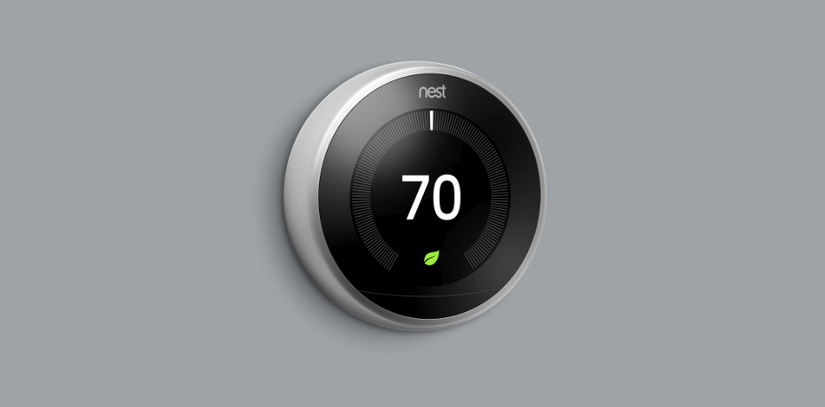
The Nest Thermostat was where the modern smart home really started, so it's poetic that it also signaled its death.
Bugs with Google Assistant were never going to kill smart homes by itself. They're annoying, but most of the time, you can work around them.
But your hardware getting killed remotely? That's a much bigger problem.
Google ended support for the first three generations of Nest Thermostat in April 2025, removing smart features and app integration. They could still be used as normal thermostats, but when the entire point was the smart functionality, that was hardly a salve.
Sure, the youngest of those devices was 11 years old when Google pulled the plug, but that's hardly the point.
These weren't smartphones, which we've been conditioned to expect to replace every few years. These thermostats were hardware bolted to walls. They're not as easy to replace as phones and tablets.
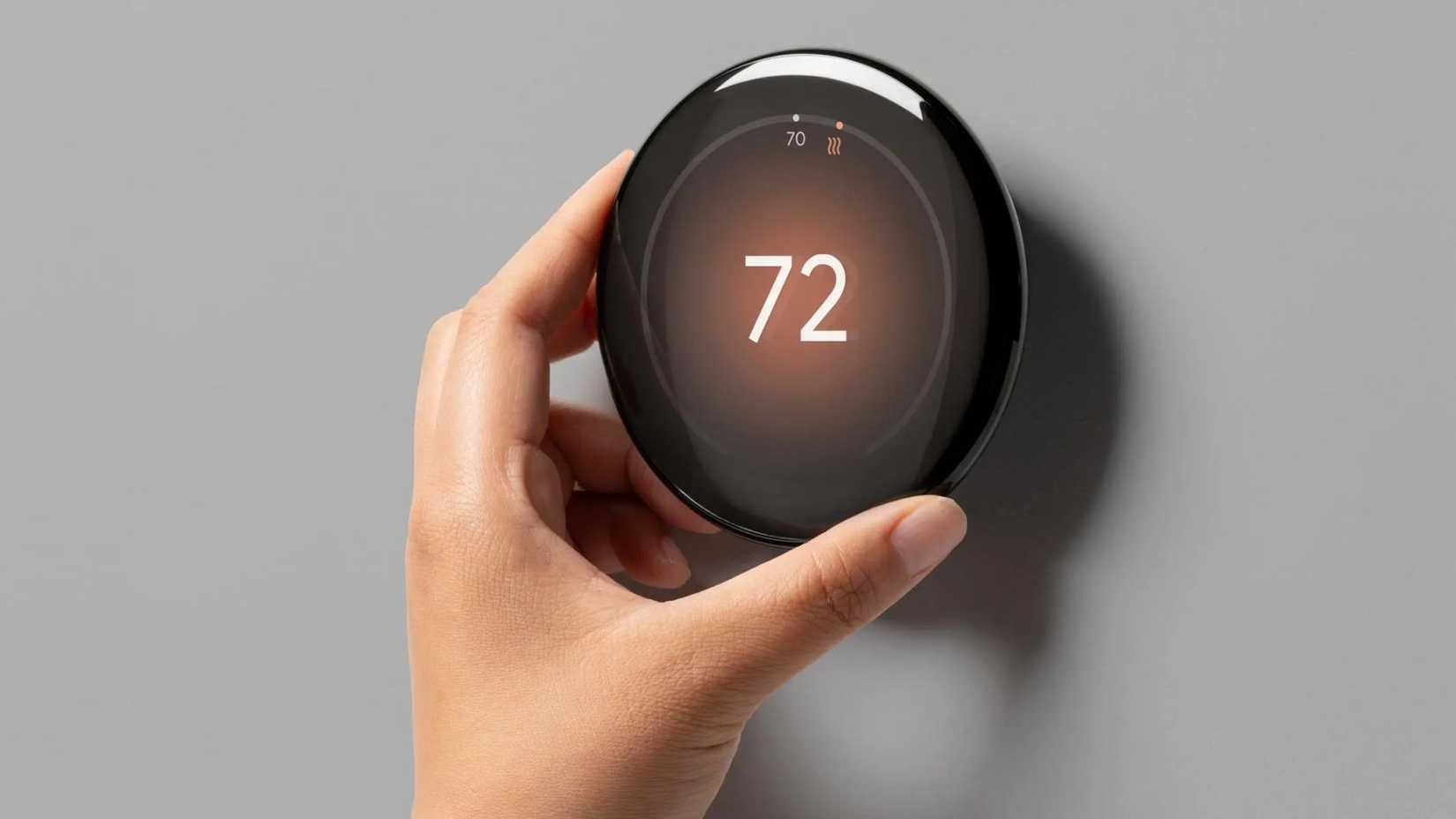
You can argue that more traditional home hardware often gets similar manufacturer support, but the two cases aren't remotely comparable. When a company no longer supports a boiler, it doesn't get to turn off that boiler's ability to boil water.
These Nest Thermostats were no longer the products they were sold as because Google could turn them off remotely, with no input from the owners.
That killed the smart home dream stone dead. A few keystrokes from Google HQ were all that was needed to show how hollow the dream was.
Why would I invest hundreds of my local currency in a swathe of interconnected devices that could, one day, be turned off without my consent? Even when my phone's support ends, it's still a phone. A tablet is still a tablet, and a smartwatch is still a smartwatch.
The old Nest Thermostats are no longer smart thermostats. They're just thermostats.
The same could happen to any of my smart home devices.
Smart homes are dead, and they're not coming back
The 2010s were the golden age, and we won't get another
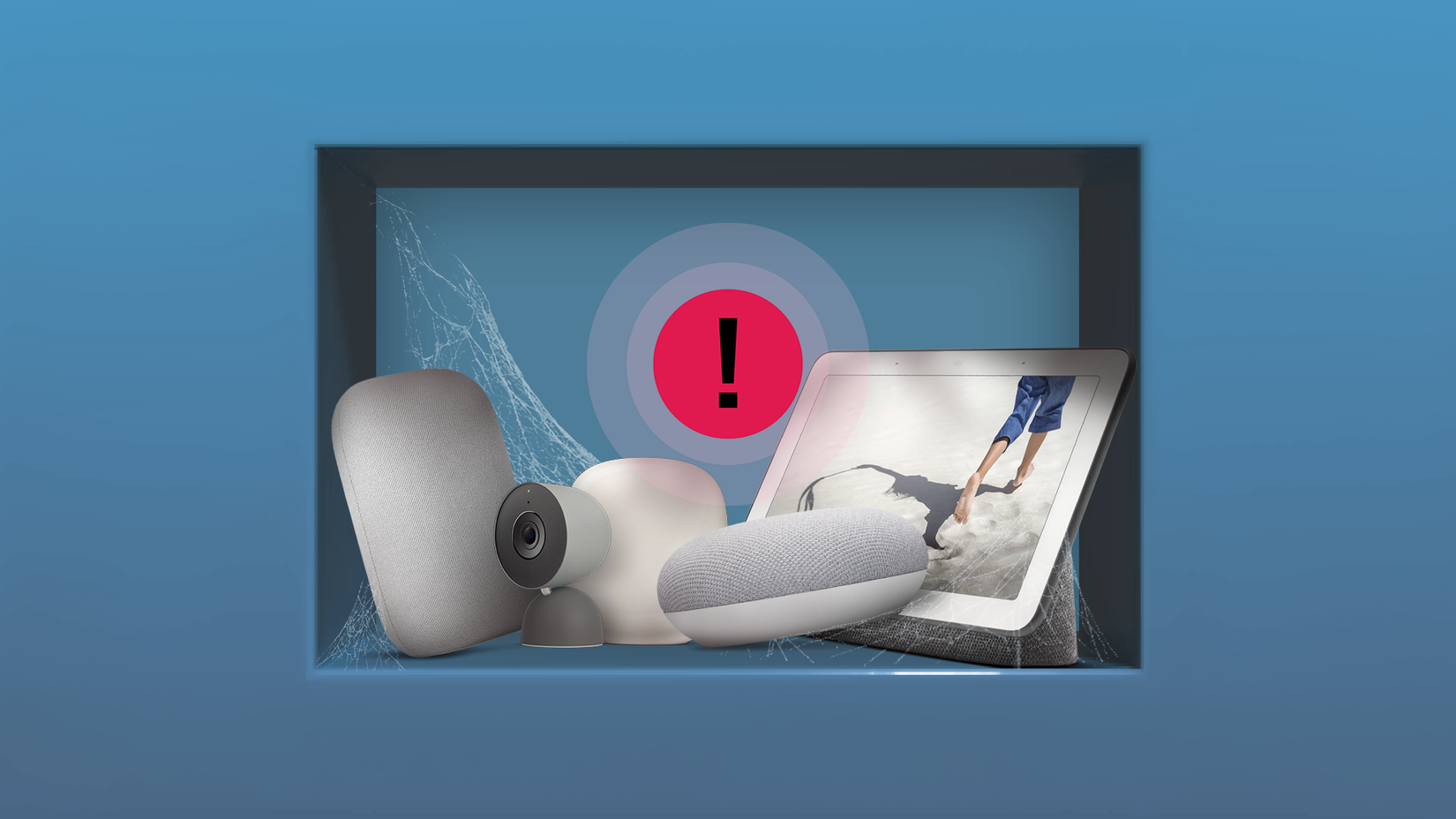
I'm going to make a characteristically bold prediction: smart homes are effectively dead.
The dream survived through the 2010s because we were optimistic about digital assistants and the "internet of things," but it's now dead.
Too many of us have lived with smart speakers that barely work, glitchy smart homes, and callous companies that shut off useful products.
And now, we're going to see more of those smart home products, bought in hope, dying as companies shut them down from a distance. A hero ... from a thousand paces.
I could create my own smart home, but that's a lot of work. The dream was always accessible smart homes for everyone. Instead, we got to rent the idea of a smart home before a company from across a vast ocean shut it down. I suppose it's fitting. After all, what's more science fiction than an uncaring corporation?
Smart homes are science fiction again, and it's there they'll likely remain.