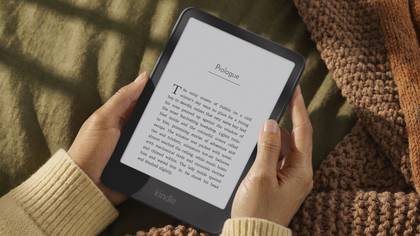
The latest Amazon Kindle line is here, and it's ... well, it's definitely one of the Kindle releases of all time.
They're . Which isn't to say Kindles have ever really been exciting, but even by its own standards, the 2026 range is .
It's such a boring release that the most exciting part of the release is a new build material. And while I feel a weird draw to the aluminum Kindle, I won't pretend it's an exciting development by any means. I was ready to write off this generation of Kindle completely.
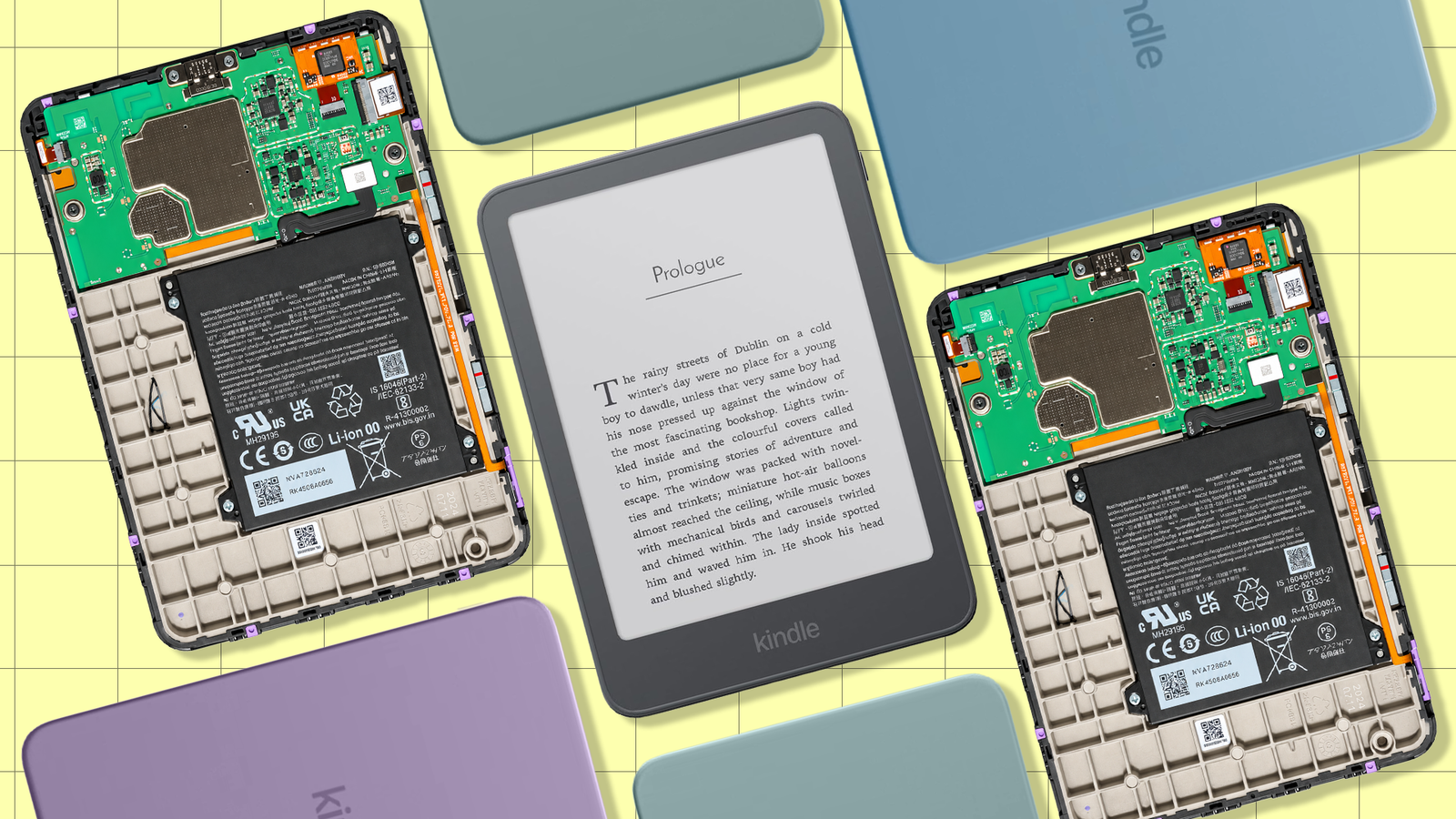
Except, Amazon has been holding out on us. Because it's been hiding the best new feature in a Kindle for years: user-replaceable batteries.
The 2026 Kindles are a boring bunch
There's not much to get excited about
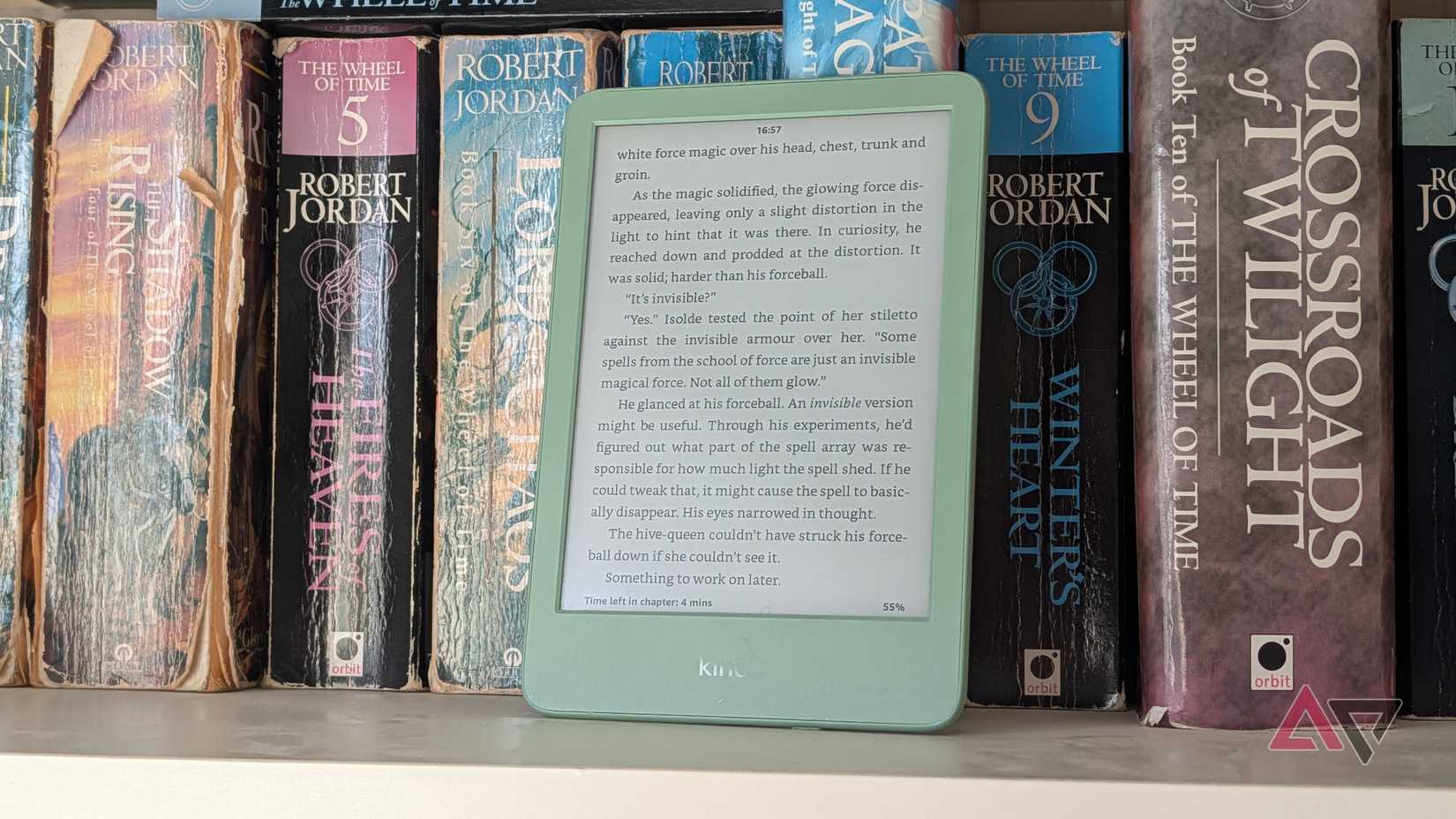
A Kindle is, largely, a Kindle. The Kindle reads e-books. It's what it does and what it is, and it largely hasn't veered away from that.
The form has changed over the years, and new models have been added and taken away, but at its core, the Kindle experience is much the same as when it began. Reading on a first-generation Kindle was, , basically the same as reading on a more recent Kindle.
The Kindle is so basic that updates tend to feel more sedate than most tech launches. But even by those low standards, the recent Kindle launch is super boring.
The new Kindles have a new processor, which means books open faster. In fairness, the old Kindles are pretty slow, so this was definitely needed. But aside from that, there are some , which are cool, but the headline addition is an aluminum shell. For an added cost.
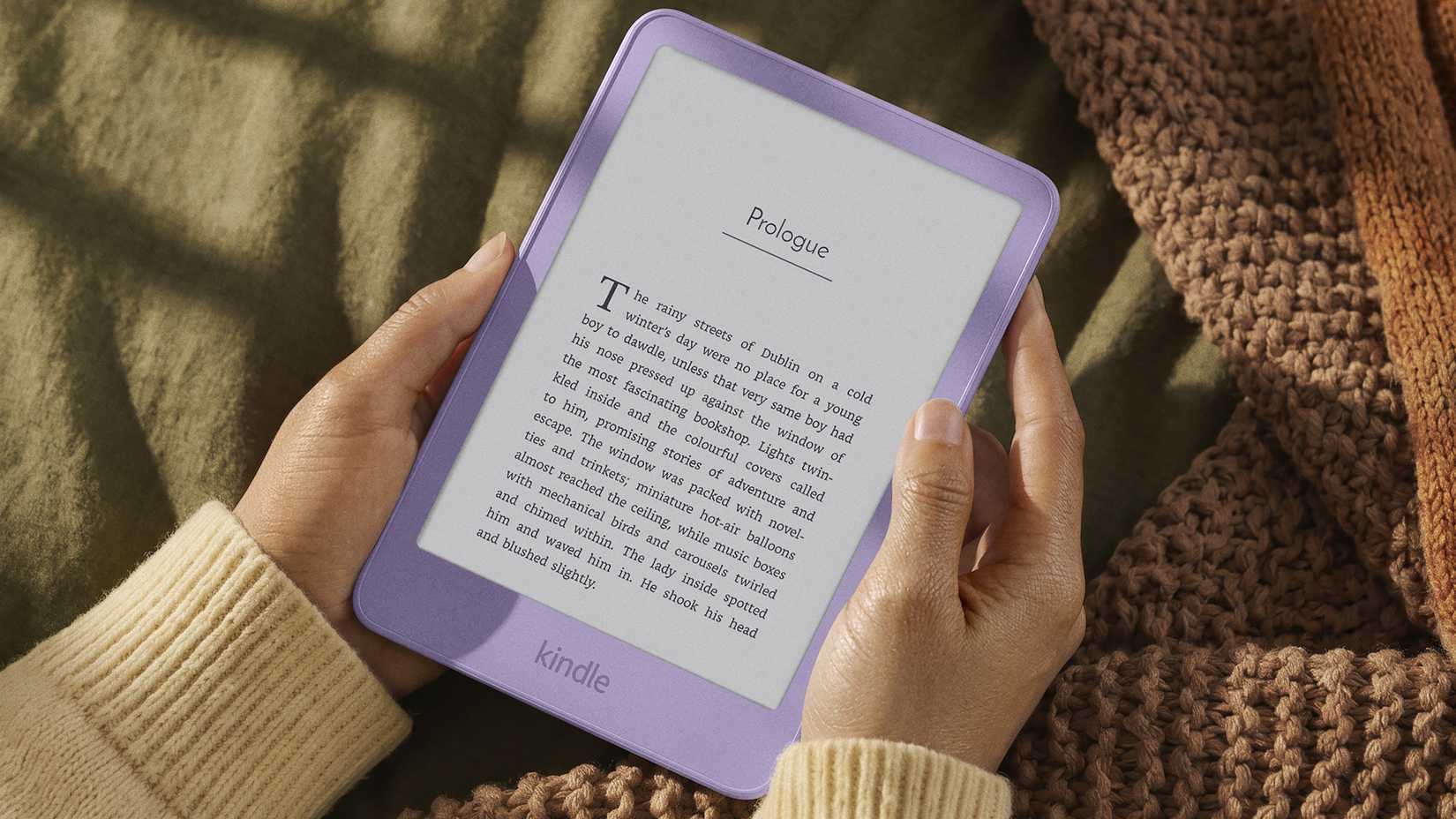
When the most exciting thing you have to talk about is a new build material, your marketing department is definitely working overtime to salvage .
I won't lie and say I don't find the idea of an aluminum shell appealing; it's not worth the money. Especially when it's extra money on top of a device that was made enormously more expensive — to the point where it's no longer the value proposition it once was.
There's no reason to upgrade your old Kindle to a new one, and there's barely any reason to pay attention to this release.
It's a bit of a damp squib. Amazon should have released accessories and skipped the devices this year.
But, there was one addition that changes that conclusion. And weirdly, Amazon didn't mention it at all.
A replaceable battery changes the game
It's a small addition, but a notable one
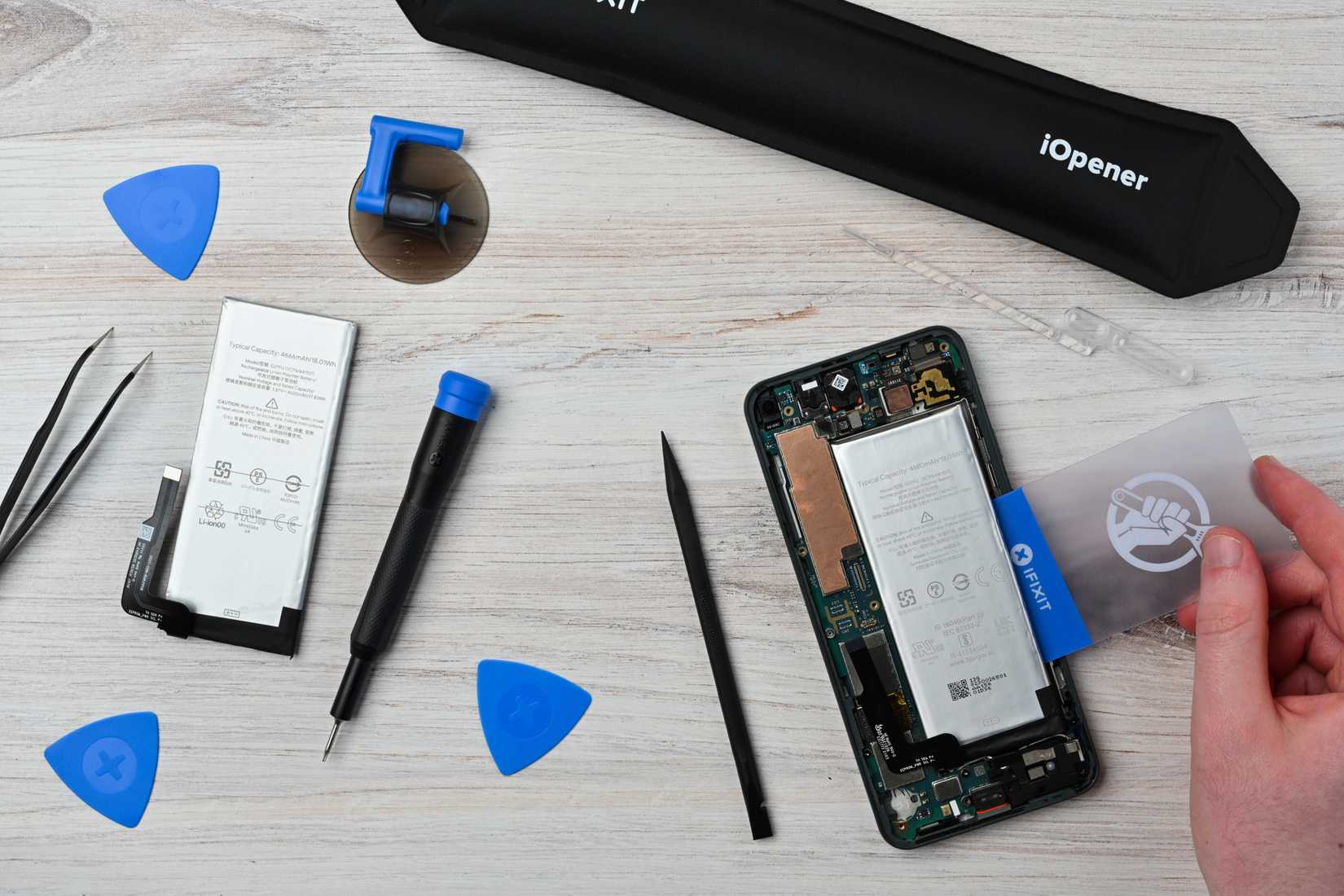
I've railed against replaceable batteries before.
Where smartphones are concerned, replaceable batteries have had their day. We'd lose too much by bringing them back, and phones no longer need them.
Would they be nice to have? Sure. Maybe. But we'd lose a lot of great features that rely on the back of the phone being inaccessible. Water resistance would be hampered. The wireless charging coil is kicking about back there. Qi2 magnets? Well, they're smack-bang in the way.
I don't know about you, but I like most of those features, and I'd hate to lose them so my battery can go flying off every time I drop my phone.
Yeah, I bet you forgot how often happened.
So why do I like the idea of it on Kindles so much? Because less of that applies.
Kindles are larger than most phones, so they have more real estate to still include, say, wireless charging coils and fit a removable battery. You'll still likely lose water resistance during the swap process, but you lose the water-resistant seal with any battery swap, not just a user-replaceable one.
Less is sacrificed when adding replaceable batteries to a Kindle, making this more a pure upgrade.
Is it really a worthwhile upgrade?
You've probably never worried about your Kindle's battery before
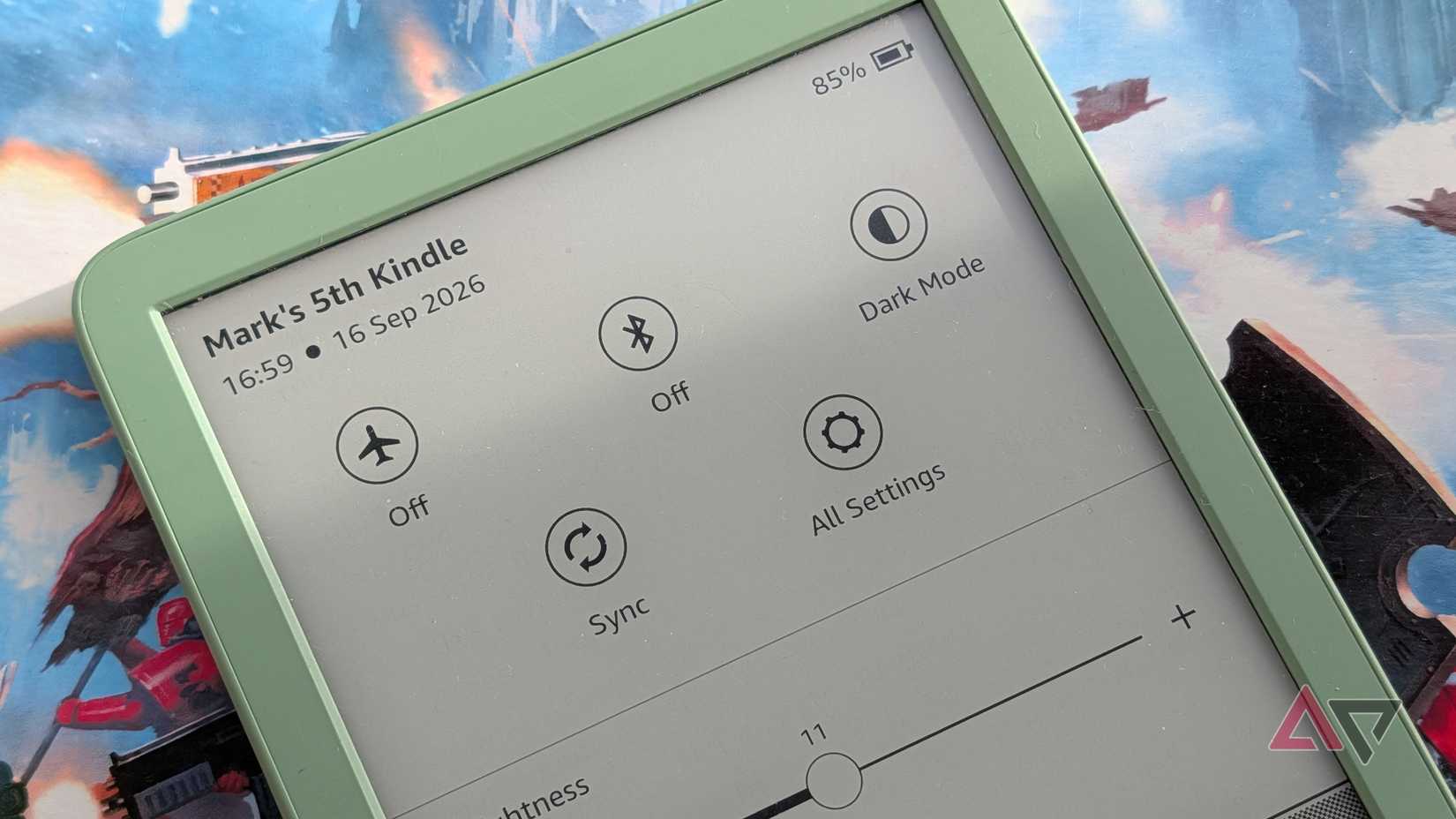
But is it really all that great? After all, the Kindle is already a battery-sipping device. With one charge potentially lasting weeks (as long as you're not , like I've been), how fast can a Kindle's battery wear down?
Battery wear and tear is measured in "cycles," with one cycle being a full discharge and recharge. Every battery is rated for a certain number of cycles, and a Kindle battery comes in between 300 and 500 cycles.
That puts it behind the thousands of cycles most smartphones offer, but it balances out since Kindles last so long between charges. On average, a Kindle battery can last up to six years, which isn't a bad innings at all by most device standards.
Except, Kindles are notoriously long-lived. There was such a stink when Amazon ended support for the first few generations of Kindles because a lot of those devices were still in use. Well over a decade later, those Kindles were still going strong.
Kindles don't demand much from their hardware, so they can last — except for the battery.
You've always been able to swap a Kindle battery before, but it used to require melting glue and the like. Now, all you need is a spudger, a screwdriver, and a replacement battery, and your Kindle is as good as new again.
It's still not worth upgrading if your Kindle works fine
But if you want a new one, buy the latest generation
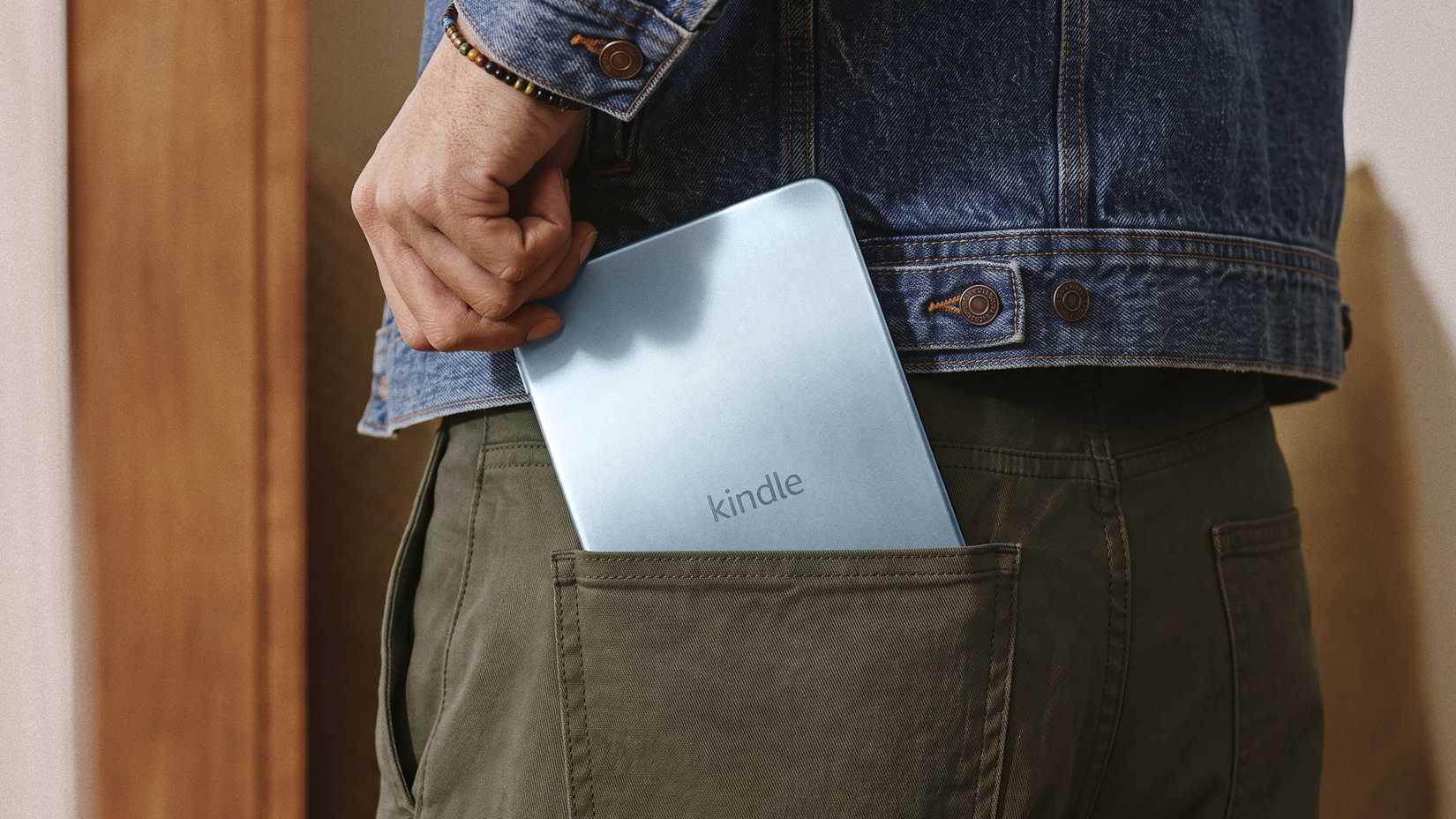
Amazon isn't doing this because it's an enormous benefit for it, or out of the goodness of its heart. It's doing it because of the EU directive on replaceable batteries. But that doesn't mean it's not a good thing.
I'm not saying you should rush out and buy a new Kindle. If your old one works fine, there's still little reason to upgrade.
But when you need a new Kindle, the new Kindles now have a reason to be in your sights.
Amazon was forced to add user-replaceable batteries. But ironically, they're the only reason I can recommend the new Kindles.
Long live replaceable batteries. In your Kindle, at least.