
I've changed plenty of Android settings over the years, but I rarely had a reason to touch Private DNS. It was set to Automatic, my connection worked, and I had more interesting things to tweak.
However, this overlooked setting can do more than handle DNS lookups. I can choose a specific DNS provider, and some providers add features like blocking known advertising and tracking domains.
That meant I could add another layer of ad and tracker blocking without installing a dedicated ad-blocking app.
What does Private DNS actually do?
This overlooked Android setting is worth understanding
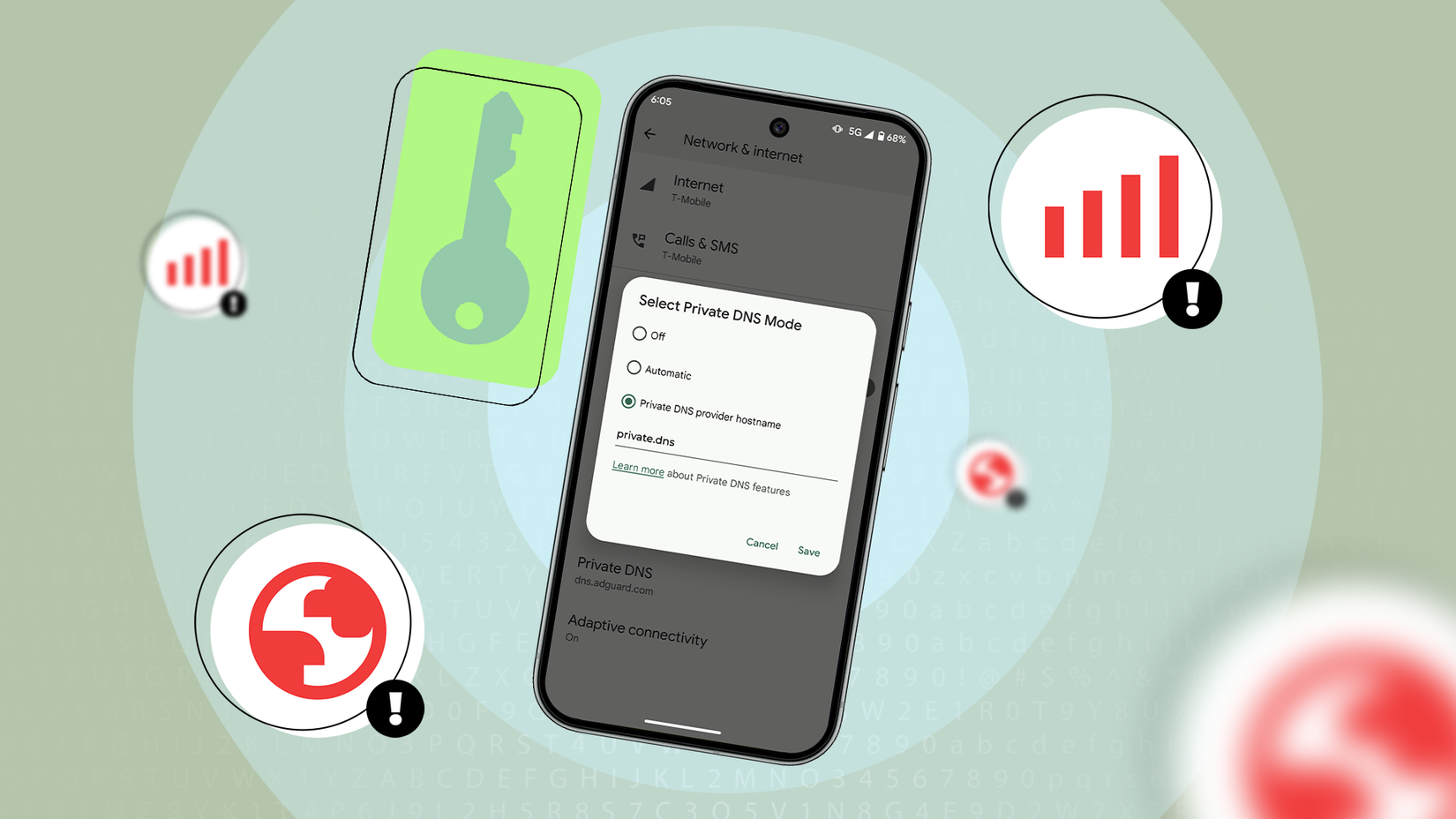
The easiest way to think about DNS is like the internet's phone book. When I type a website address into my browser, my phone needs to find the corresponding IP address before it can connect to that site.
DNS requests can reveal which domains my phone is looking up. With Private DNS enabled, those lookups are sent to the provider over an encrypted DNS-over-TLS connection instead of ordinary unencrypted DNS.
But Private DNS doesn't encrypt everything you do online. It only encrypts the DNS lookups used to find websites and services. It doesn't cover the rest of internet traffic, which is why it shouldn't be treated as a replacement for a VPN.
Additionally, the provider you choose can do more than resolve domain names. Some providers offer additional filtering, such as blocking known advertising, tracking, or malicious domains.
I use a specific provider when I want more control
Automatic DNS isn't the only option
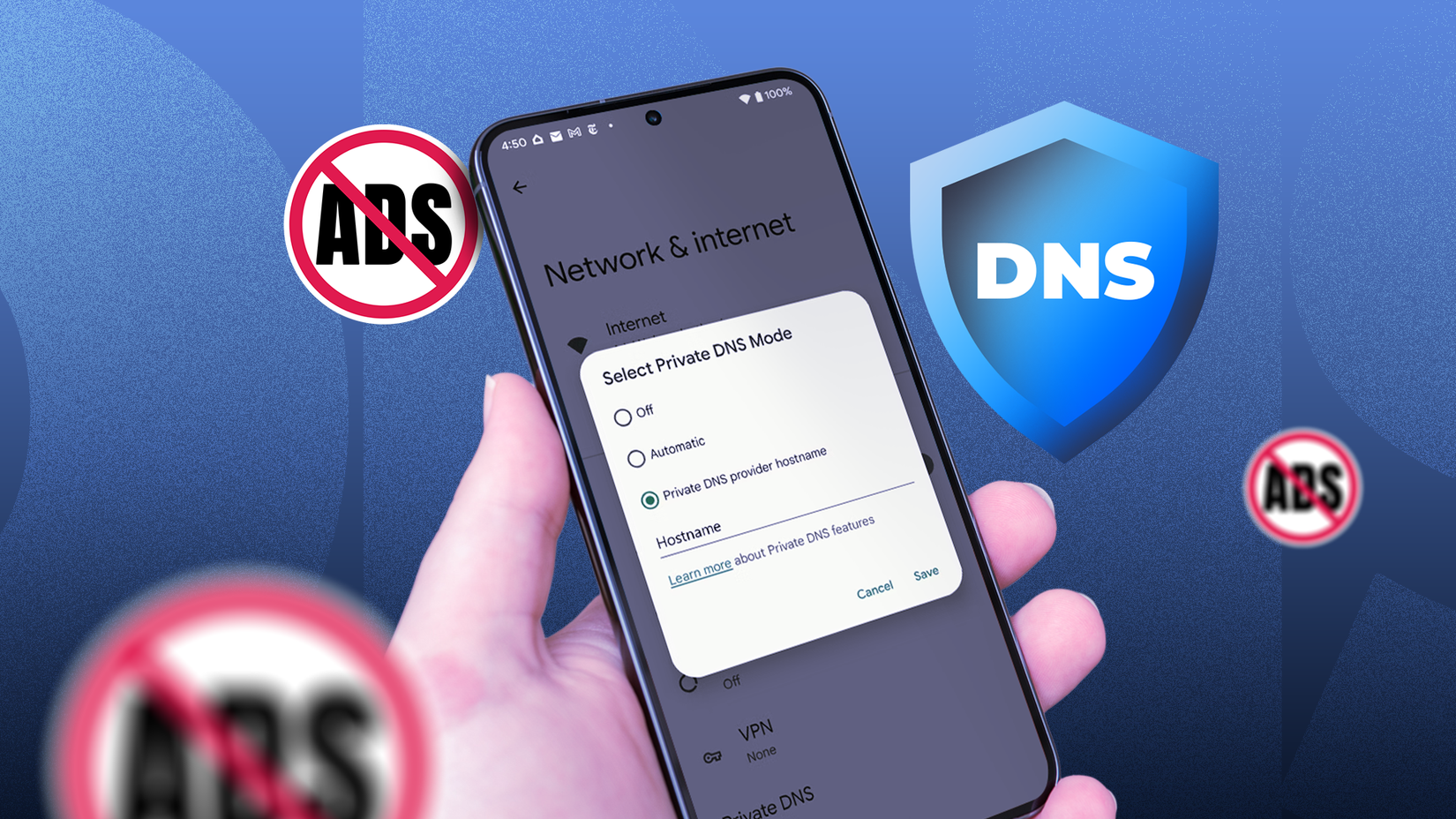
Leaving Private DNS on Automatic is perfectly fine if I don't have a reason to change it. But when I want more control over what my phone does with DNS requests, I can choose a specific provider.
Cloudflare 1.1.1.1 is a straightforward choice if I mainly want a public DNS resolver without content filtering. Its standard resolver uses 1dot1dot1dot1.cloudflare-dns.com. Cloudflare also offers security.cloudflare-dns.com to block known malware and family.cloudflare-dns.com to block malware and adult content.
Quad9 is another option if security is the priority. Its dns.quad9.net resolver blocks known malicious domains while supporting encrypted DNS and DNSSEC validation.
There are also providers focused on filtering ads, trackers, and other unwanted domains if I want my phone to handle some filtering without installing a separate app.
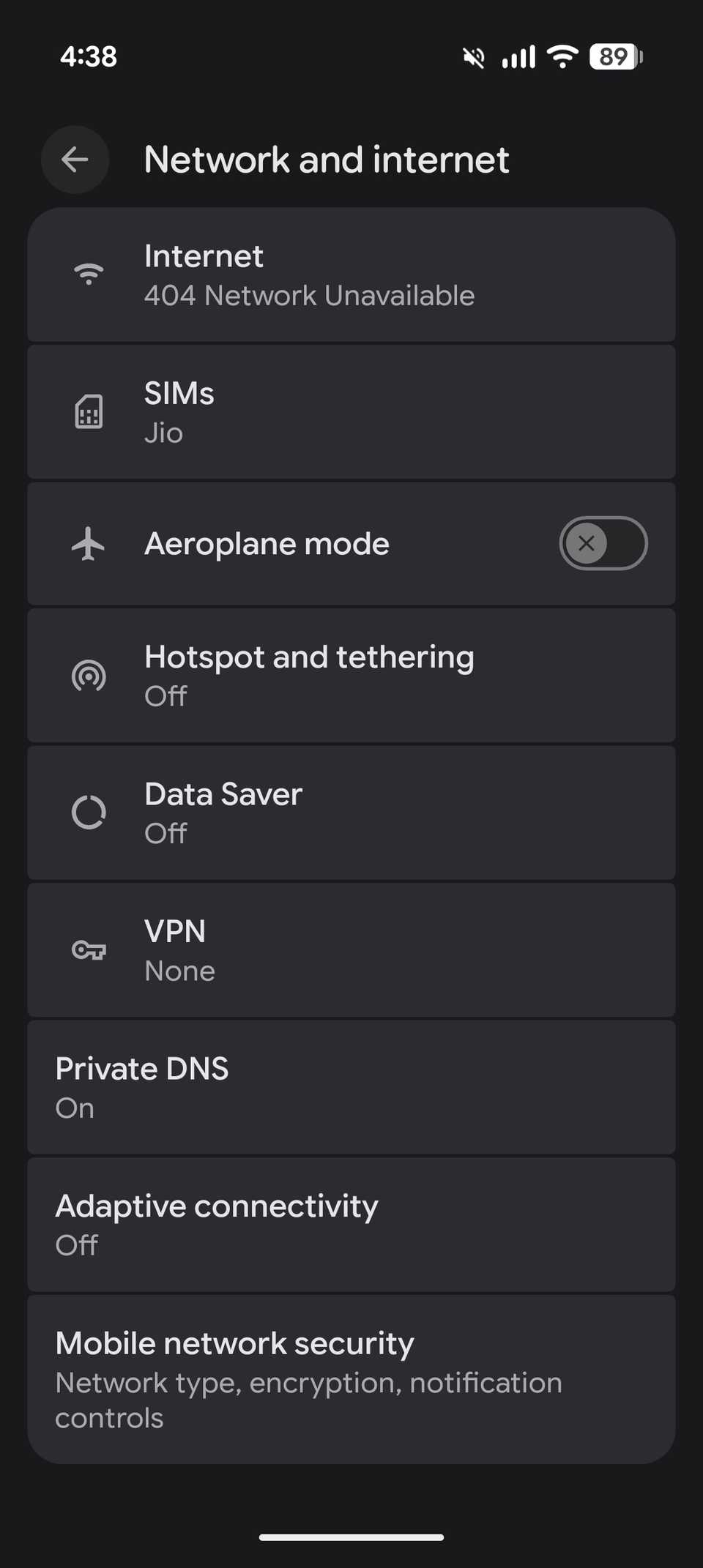
To change providers, go to > > , and select. Enter the provider's hostname and tap .
The menu can vary by phone, so searching Settings for is often the quickest way to find it.
One DNS change started blocking ads
I found a simple way to block ads without an app
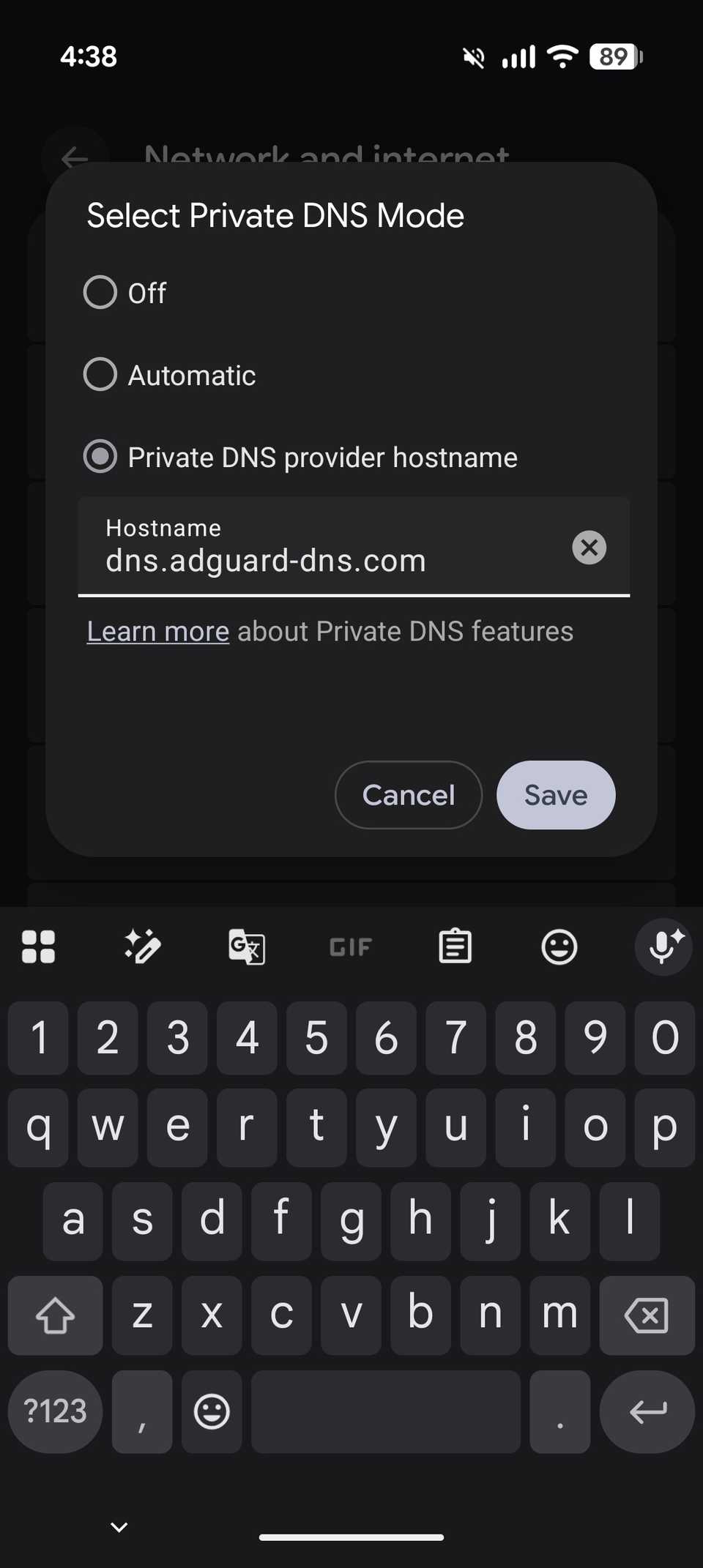
I decided to try AdGuard DNS as my Private DNS provider. The best part was that I didn't need to install another app or configure every browser individually.
But AdGuard DNS is not the only option. Control D has a free DNS profile that blocks malware and ads, using p2.freedns.controld.com as its Private DNS hostname.
NextDNS is another option if you want more control over what is blocked. You can create a custom configuration with different blocklists, allow specific domains, and adjust the filtering.
AdGuard's default DNS server can block requests to domains associated with ads and trackers, so filtering occurs at the DNS level.
To set it up, go to > > . Select e, enter dns.adguard-dns.com, and tap .
DNS filtering isn't the same as blocking every ad on every web page. It operates at the domain level, so it can't remove every piece of advertising or cosmetic clutter from a page.
Still, I like the idea of having another layer of filtering built into the phone without adding another app to manage.
Private DNS isn't the same as a VPN
What Private DNS can't protect
One thing I wouldn't overlook is what happens if I use Private DNS alongside a VPN. They're not interchangeable, and using both doesn't automatically mean twice the protection.
Private DNS secures my phone's DNS lookups, while a VPN handles a much broader portion of my network traffic.
In practical terms, that means a custom Private DNS setup can sometimes cause connection problems when a VPN is active, depending on how the VPN handles DNS.
If apps or websites stop connecting after changing these settings, I'd first check the VPN's DNS settings or temporarily switch Private DNS back to Automatic to see whether that resolves the problem.
Private DNS is one setting I no longer ignore
Android's Automatic setting is perfectly reasonable if I don't need anything beyond the default setup.
For me, though, choosing a specific provider makes sense because I want more control over how my phone handles DNS requests.
Depending on the provider, it can also add filtering or security features without requiring another app. The setting is easy to change, and it applies across networks that support Private DNS.
After leaving Private DNS set to Automatic for so long, I'm glad I finally tweaked this otherwise easy-to-ignore setting.