- The Tor Project is maintaining its technical collaboration with Mullvad despite intense community pressure to sever ties.
- The backlash stems from a recent political donation made by a Mullvad co-founder to a controversial Swedish populist party.
- Tor is pausing all "proactive co-branding" and joint promotional activities to ensure its human rights mission isn't compromised.
The Tor Project has confirmed it will not terminate its relationship with Mullvad following intense community pushback over a political donation made by one of the VPN's co-founders. Instead, the privacy-focused nonprofit is setting "clear boundaries" on its ongoing collaboration.
The controversy began earlier this year when it was revealed that a Mullvad co-founder had made a financial donation to a controversial Swedish populist party.
The move sparked immediate debate within the cybersecurity community, leading some users to demand that Tor, an organization deeply rooted in human rights and anti-censorship, sever ties with what many consider to be one of the best VPN providers on the market.
However, in a statement published on October 9, the Tor Project explained that while it strongly opposes rhetoric that threatens human rights, it must balance its principles with pragmatism.
Ending the partnership, the organization claims, would do more harm than good to the communities that rely on its privacy tools.
"We are continuing our technical collaboration with Mullvad to sustain work that Tor users and contributors depend on," the statement reads. The Tor Project highlighted that this joint effort has significantly improved the Tor Browser's codebase and created a safer environment to test new features.
Drawing the line on co-branding
While the technical work behind the scenes will continue, including ongoing development of the privacy-centric Mullvad Browser, the public-facing relationship between the two entities is being actively scaled back.
To distance itself from any implied political alignment, the Tor Project announced it has "paused proactive co-branding with Mullvad."
This means any joint promotional activities will be halted, and the language used on Tor’s owned channels has been updated to describe the relationship more accurately and "avoid notions of implied endorsement" of Mullvad’s leadership or values.
"We recognize that the potential benefits to Mullvad of such a collaboration are difficult for some in our community to accept," Tor stated, acknowledging the difficult trade-offs behind the decision.
"Our responsibility is to ensure that this collaboration does not compromise our mission or the Tor Project's independence."
Why the partnership matters
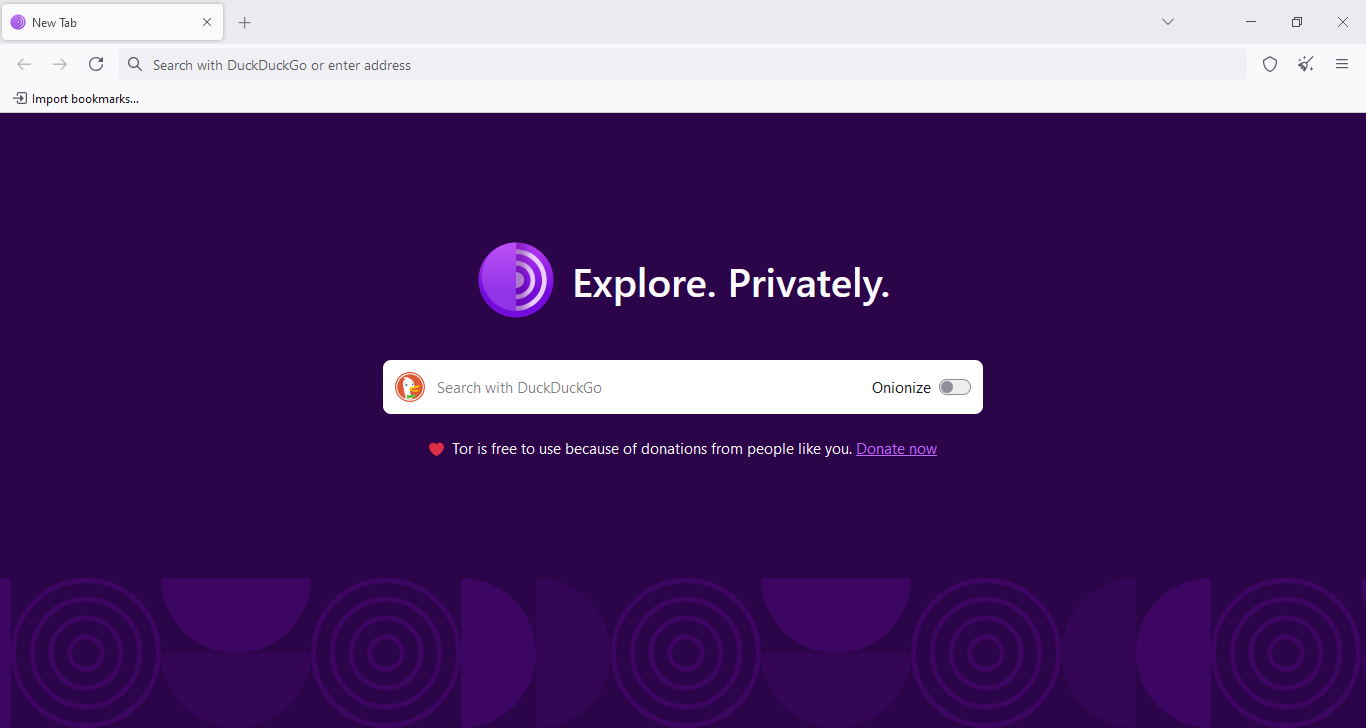
The collaboration between Tor and Mullvad has been highly fruitful for internet privacy advocates.
By working together, the two organizations successfully built an open-source browser that delivers the anti-tracking and anti-fingerprinting perks of the Tor network without requiring users to actively route their traffic through Tor's slower onion nodes.
Maintaining this complex codebase requires vast resources, something that the Tor Project notes is severely lacking in the broader fight for digital privacy.
"The work to promote and preserve the human right to privacy, free speech, and free access to information online is severely under-resourced," Tor explained, adding that advancing these goals often requires making difficult compromises.
While the Tor Project admits that this decision will not satisfy everyone and carries a "cost to trust" for some of its community members, it ultimately believes the technical benefits of keeping the internet safe for vulnerable users outweigh the political fallout.
Rene Millman is a seasoned technology journalist whose work has appeared in The Guardian, the Financial Times, Computer Weekly, and IT Pro. With over two decades of experience as a reporter and editor, he specializes in making complex topics like cybersecurity, VPNs, and enterprise software accessible and engaging.