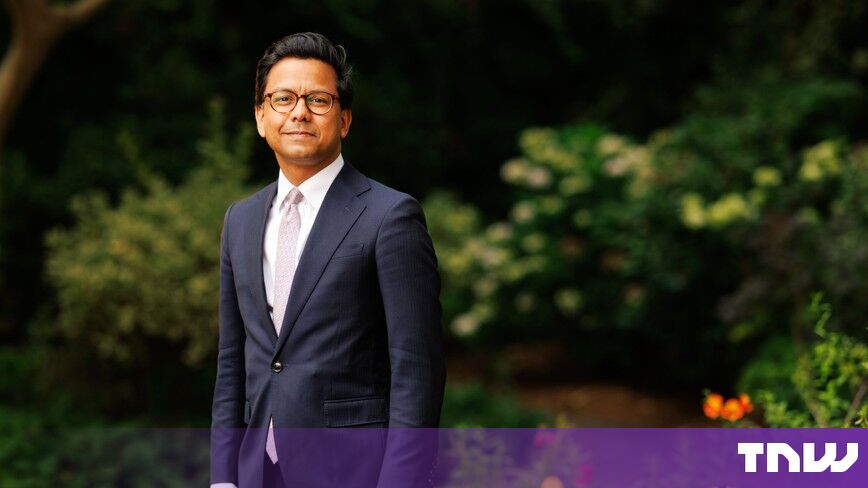
The UK’s AI minister, Kanishka Narayan, says countries must “harden” their defences against AI risk. Testing models is no longer enough, he said. He was answering a question from Fortune at the Labour Party’s annual conference.
Fortune’s Kamal Ahmed asked him about a warning from Jacob Coxon, a researcher who quit Anthropic this month. Narayan said you have to take people in labs seriously when they say they are very worried.
“You have to harden and build your defenses. The risks have only grown, so testing is good but clearly insufficient,” Narayan said.
Coxon made his warning in a post on X. It has 175 million views, Fortune reported.
“The people building AI earnestly believe that it could kill us all by the end of the decade,” Coxon wrote.
Anthropic scientist Evan Hubinger agreed with Coxon. He put the risk above 10%.
Where Narayan puts the risk
Narayan said his main focus is on the risks of today. He named a rise in cybersecurity risks and AI tools that could drive up biochemical risk. Models that go beyond what humans asked them to do also worry him, he said.
“The sort of logical loops you have to jump through to make that an existential question are quite significant and severe,” he said.
The UK has tested AI models for three years, Narayan said. No other country is as well placed to do it, he added.
The G20 plan
Narayan said the UK wants to bring countries together at the G20 next year, during its presidency. It wants to help shape the principles that come out of it. Prime Minister Andy Burnham has said he will use the presidency to broker an AI agreement.
The White House has warned G20 members to take a “hands off” approach to new global rules, according to reports cited by Fortune. President Donald Trump says slowing US labs would hand China an advantage. He has called those asking for a slowdown a negative force.
Microsoft co-founder Bill Gates told NBC’s Meet the Press last week that self-regulation isn’t enough. He wants governments involved.
Narayan also spoke about jobs at a meeting of the Resolution Foundation think tank. He said governments, companies and people have a say in whether AI adds to human work or replaces it.