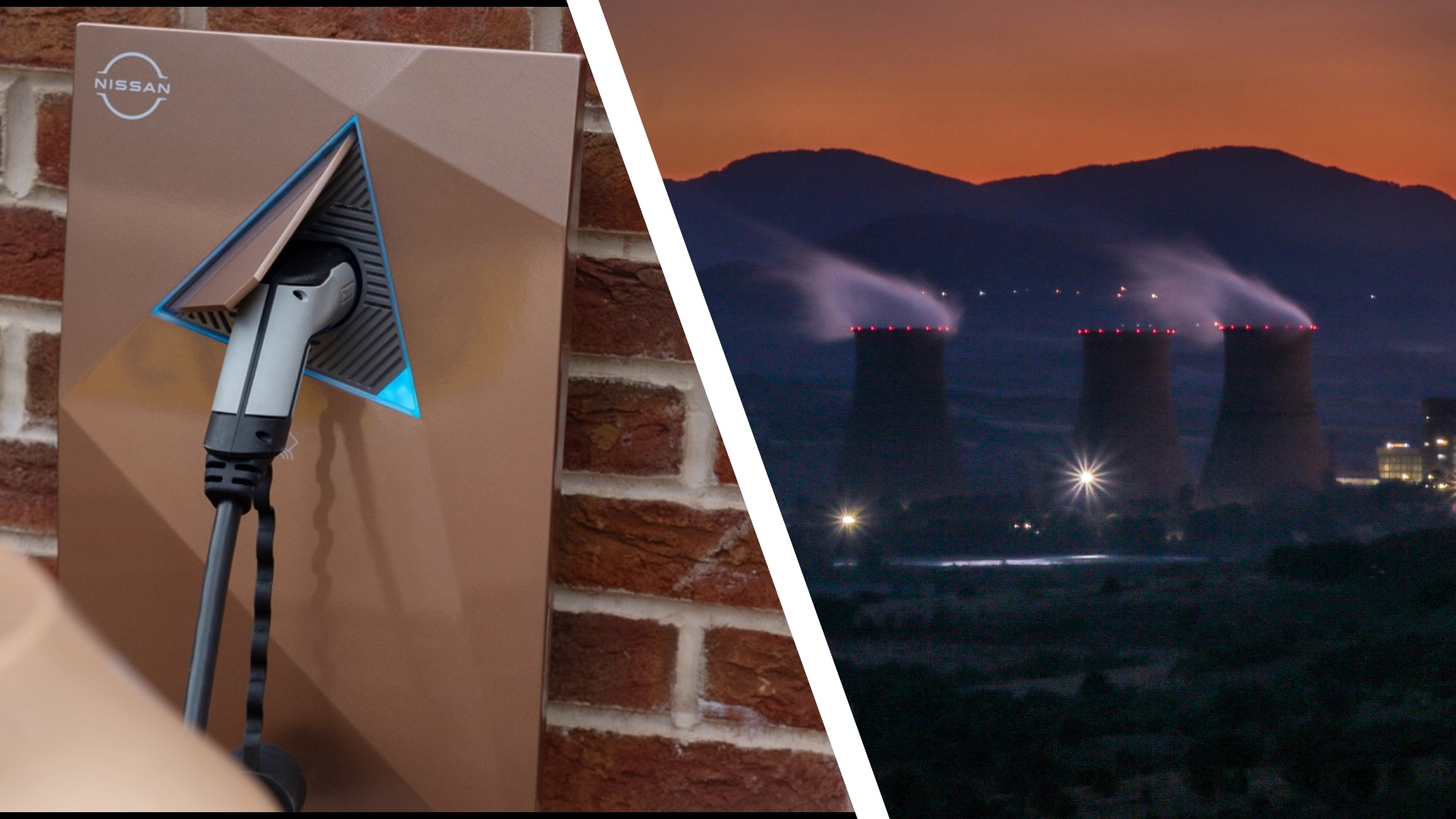
- Ministers are considering incentivizing vehicle-to-grid (V2G) tech
- It could allow carmakers to earn credits for installing V2G capabilities
- Critics say carmakers would produce more polluting cars as a result
UK ministers are reportedly considering giving manufacturers extra incentives to add vehicle-to-grid (V2G) technology to cars as part of its review of the zero-emission vehicle (ZEV) mandate.
The technology, which was arguably pioneered by Nissan in Japan in the early 2010s, supports bidirectional power transfer, allowing electric vehicles to not only be charged from a domestic charger, but also feed energy back into the grid.
Early demonstrations with Japan’s CHAdeMO charging standard showed that something like a Nissan Leaf could provide power to a home during natural disasters, and also help decrease the load on the grid during peak consumption hours.
According to supporters of the technology, increasing the amount of V2G-enabled EVs on UK driveways could help the transition away from fossil fuels to renewables, balancing the grid when wind and solar generation is lower than electricity demand.

According to a report in The Guardian, in order to incentivize manufacturers, ministers are considering offering additional Zero Emission Vehicle credits to those companies that can successfully increase the prevalence of V2G tech.
Currently, the ZEV system sees manufacturers earn credits for every fully electric or hydrogen fuel cell vehicle they register, with annual targets set for the percentage of electric cars sold each year.
Companies that fall short of their annual sales quota must either buy surplus credits from other manufacturers, borrow against future targets, or pay non-compliance penalties.
While increasing the amount of vehicles that are capable of bi-directional charging could indeed help balance out the grid in times of peak demand, some critics claim that offering additional credits to manufacturers could lead to an increase in the production of polluting petrol and diesel models.
“Vehicle to grid is exciting technology that could help balance the grid and cut bills, but carmakers should only be rewarded if it’s actually used, not just for fitting it,” Ben Nelmes, the chief executive of New AutoMotive, a think-tank tracking the transition to electric cars, told The Guardian.
Analysis: simplicity is key
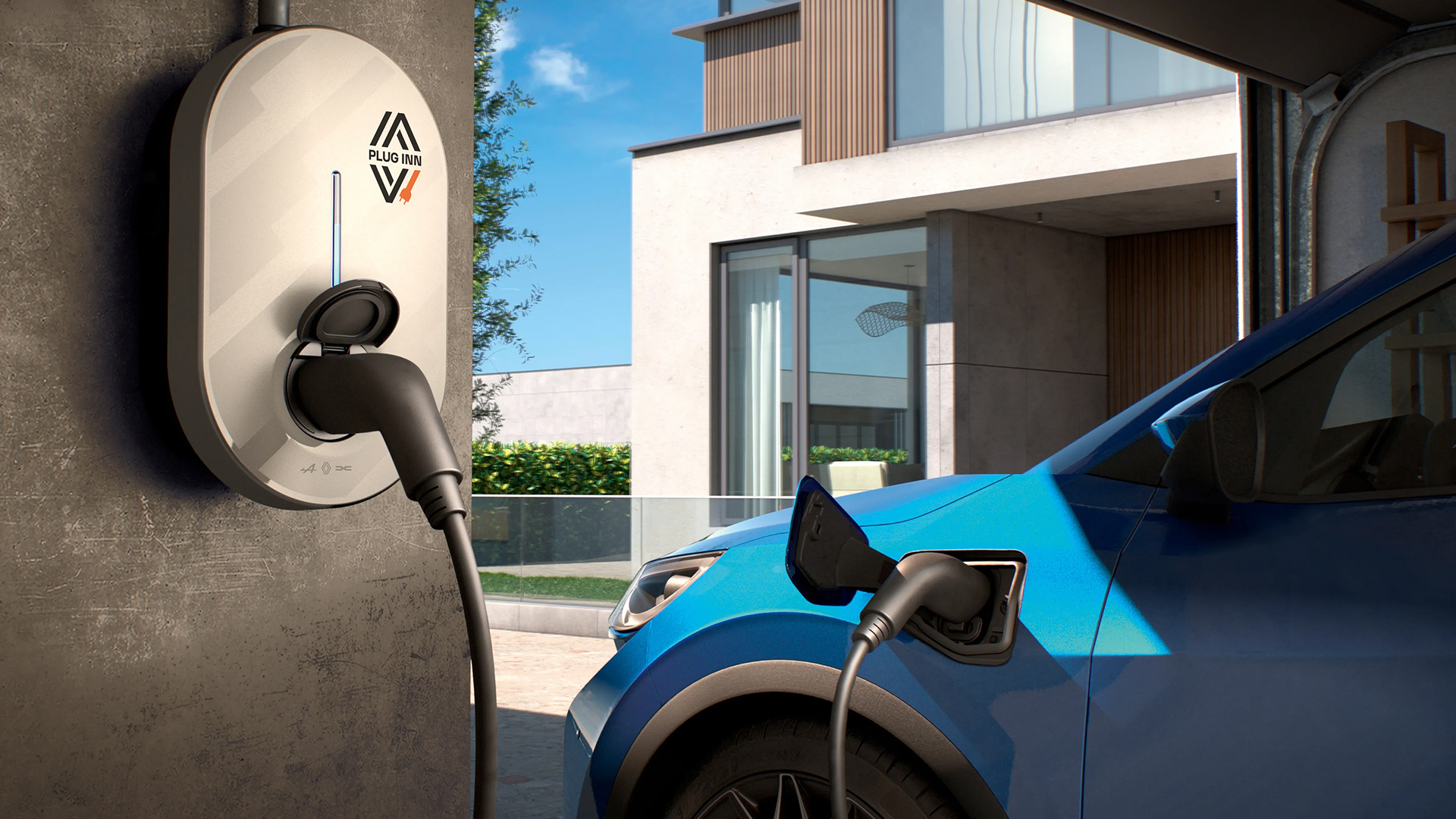
Vehicle-to-grid technology is nothing new, and the idea of the 'virtual powerplant', where the grid can give and take energy from thousands of vehicles all connected to the grid, has been on the minds of automotive manufactures for well over a decade.
Right now, Renault and Alpine offer V2G services in France through Mobilize and The Mobility House projects, while the Volkswagen Group's Elli sub-brand announced a packaged V2G offer in June for its German customers, targeting compatible VW, Volkswagen Commercial Vehicles and Cupra models.
In the UK, Octopus Energy already offers its Power Pack, which it claims is the first vehicle-to-grid tariff that could save a typical V2G driver £620 per year compared to the company’s other flexible tariffs.
However, as someone who owns a house with EVs, solar, battery storage and inverters, I know first-hand just how complex it is navigating the various energy tariffs, and calculating whether or not it makes financial sense to sell excess solar back to the grid.
Not only does this typically require several apps and a good grasp on the software that manages all of the various systems, it also demands an in-depth knowledge of energy tariffs and dynamic pricing.
Vicky Edmonds, the chief executive of the Electric Vehicle Association England, which represents drivers, told The Guardian: “These technologies have enormous potential, but consumers are still getting to grips with more immediate questions around the cost of their car, the cost of charging, and whether an EV meets their day-to-day needs”.
So, while some believe that the electricity supplied by V2G cars could add up to the equivalent of a power station by 2030, the process would have to be as simple as possible to encourage already confused motorists to adopt the technology.

Leon has been navigating a world where automotive and tech collide for almost 20 years, reporting on everything from in-car entertainment to robotised manufacturing plants. Currently, EVs are the focus of his attentions, but give it a few years and it will be electric vertical take-off and landing craft. Outside of work hours, he can be found tinkering with distinctly analogue motorcycles, because electric motors are no replacement for an old Honda inline four.