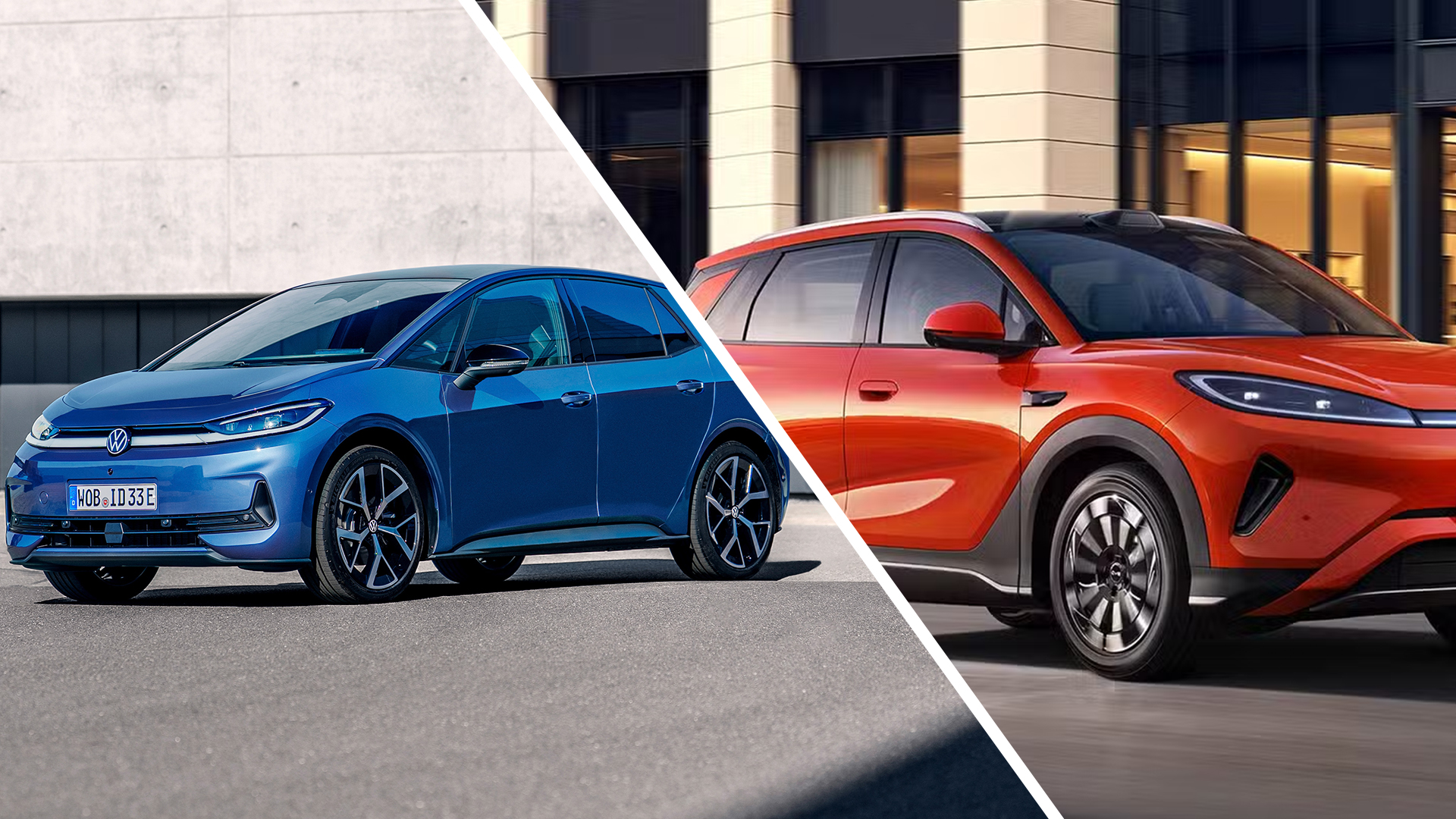
- The UK could impose tariffs on EVs imported from China
- Chinese manufacturers warn this will increase prices for consumers
- Germany wants the UK to back its Made in Europe plans
The UK’s Prime Minister, Andy Burnham, met with Germany’s chancellor Friedrich Merz this week to discuss, among other things, the possibility of increasing tariffs on imported Chinese electric vehicles as a of show solidarity with Germany’s proposed “Made in Europe” plans.
Under a new set of rules, Germany is recommending policies that favor European producers and carmakers in response to trade practices by competitors like China and the United States, according to Politico.
Raising tariffs on cars imported from China could be seen as a way for the UK and Europe’s car industry to fend off the swathe of low-cost, state-subsidized vehicles that have been increasing in popularity over the past few years.
Recent figures released by the UK’s Society of Motor Manufacturers and Traders (SMMT) reveal that BYD is rapidly gaining ground on Tesla’s long-standing best-seller, the Model 3, as well as its Model Y — the two SUVs that regularly top battery electric vehicles (BEVs) sales charts.
In fact, BYD placed third and fourth this September with huge numbers of the Sealion 7 and the Seal, while Leapmotor, which only went on sale in the UK last year, crept into the top ten with its B10 SUV.
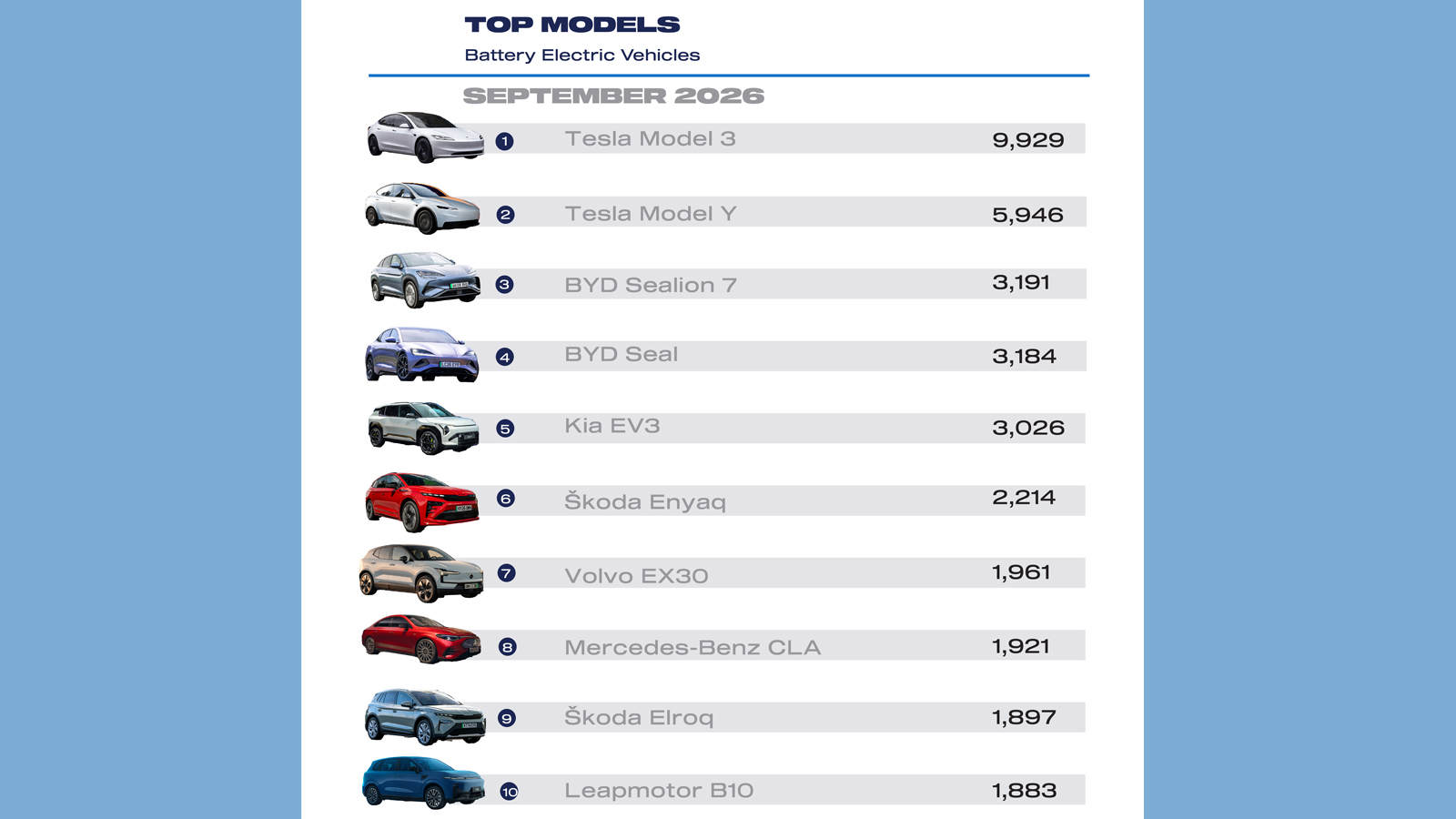
The SMMT says that electrified vehicles have “helped power growth”, taking a record 58.4% of all registrations if you factor in both BEVs and hybrids.
But Guy Pigounakis, commercial director of the Chinese-owned MG, has already warned that any proposal to match the European Commission’s levy of up to 45% on imports would have a “significant impact” on prices and would only serve to drive up inflation and potentially interest rates.
“You see that all across the world,” he told The Telegraph.
Analysis: Affordable Chinese EVs are fueling growth
Imposing tariffs typically creates a Catch-22 situation where domestic businesses experience greater protection from outside threats, but the consumer ends up shouldering the burden through increased prices and lesser choice.
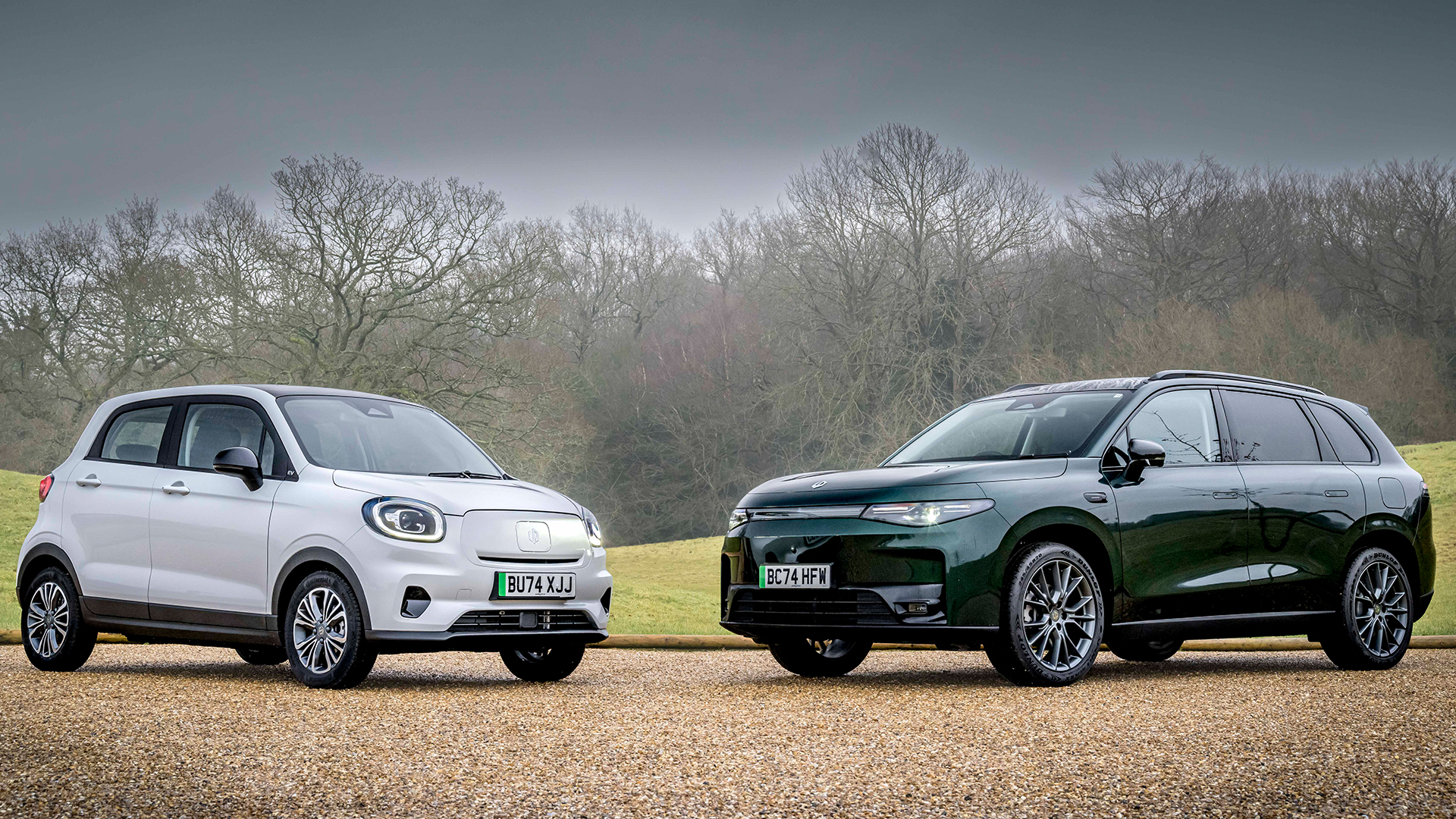
The UK’s EV sales figures don’t lie — it’s clear to see companies like BYD, Jaecoo, MG and Leapmotor are winning over customers with great products at almost unbeatable prices.
The problem is, this is dragging customers away from Germany’s biggest brands, such as Volkswagen and Audi, both of which sat at the very bottom of the Top Models sales charts this September in the UK.
Despite more affordable and capable electric options coming online this year from the likes of Renault, Skoda and Mercedes-Benz, they are still being outsold by relative newcomers BYD, with Geely, Omoda and many more waiting in the wings.
As with battery and charging technology in general, it appears China is already one step ahead, as some of the biggest EV manufacturers are making moves to protect themselves against the threat of future tariffs by exploring and opening more manufacturing plants in European locations.

Leon has been navigating a world where automotive and tech collide for almost 20 years, reporting on everything from in-car entertainment to robotised manufacturing plants. Currently, EVs are the focus of his attentions, but give it a few years and it will be electric vertical take-off and landing craft. Outside of work hours, he can be found tinkering with distinctly analogue motorcycles, because electric motors are no replacement for an old Honda inline four.