- Ukraine combines centuries-old balloon technology with a modern long-range strike drone
- The Mara drone reportedly travels beyond 1,000km aboard the Balun aerostat
- After balloon release, Mara can reportedly fly another 60km independently
Ukrainian engineers are combining aerostat technology, which dates back approximately 240 years, with a strike drone capable of reaching locations more than 1,000km away.
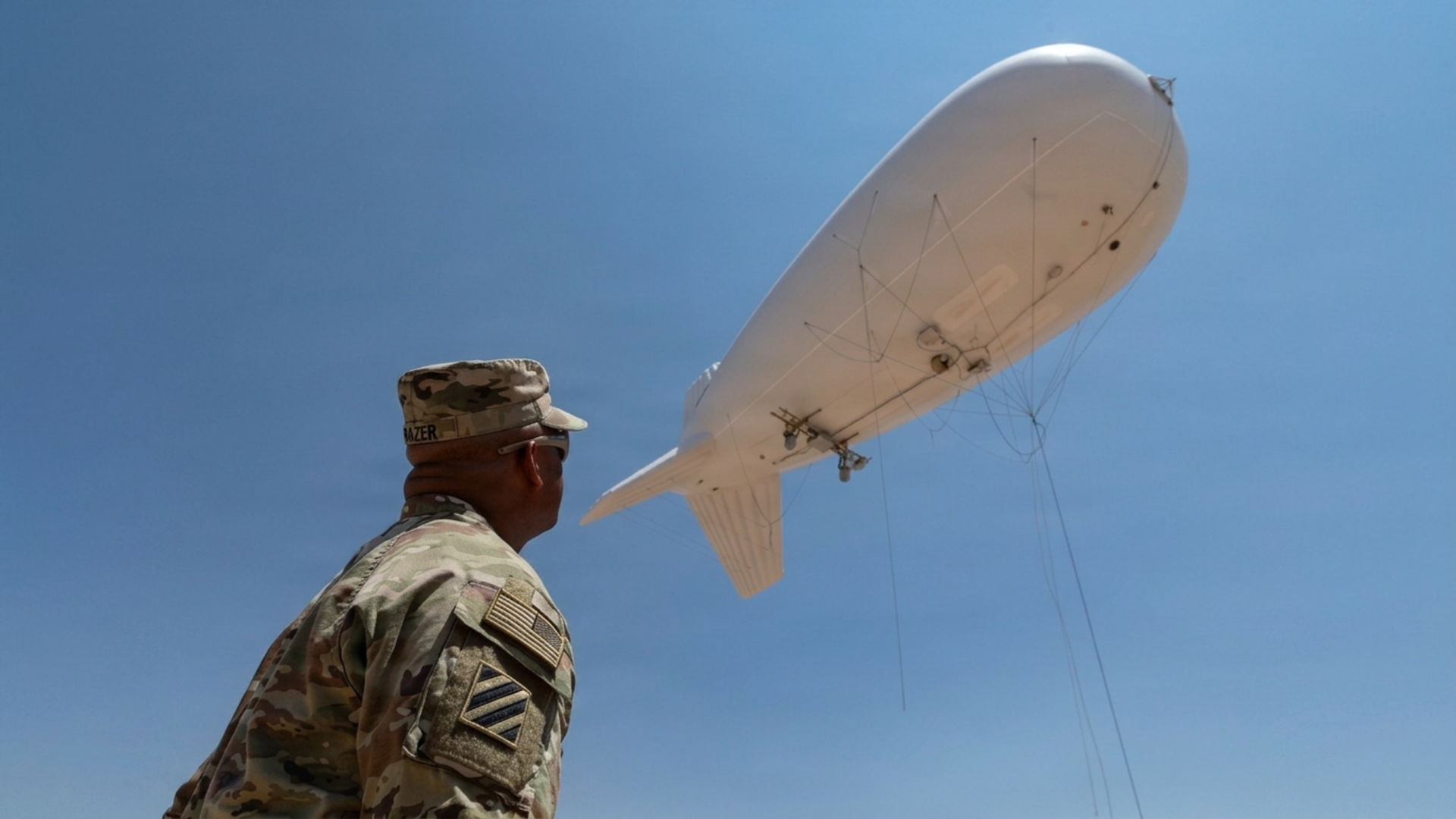
The Mara drone travels aboard the Balun aerostat, developed by the Ukrainian Mariupol design bureau, which carries the aircraft beyond 10km altitude before releasing it.
The manufacturer estimates that the combined Mara and Balun system costs up to $6,000, although it has not disclosed a detailed breakdown of the price.
Balloon transport extends the drone's operational reach
Mara hangs beneath the balloon on a release mechanism, then continues in guided flight and can cover extra distance in glider mode.
Once separated from the carrier, the fixed-wing aircraft can continue flying independently for approximately 60km before reaching its intended destination.
This takes the total covered distance of the entire system to at least 1060 km.
The Balun aerostat incorporates ballast equipment, navigation hardware, data transmission components, and a release mechanism for deploying the aircraft during its flight.
The bureau built its data links and flight controls in-house but has not disclosed the warhead weight or detailed specifications for either.
The designers claim the altitude keeps the system beyond reach of inexpensive defences, such as small interceptors or light cannons, so Russia needs costlier missiles.
This arrangement combines an established form of lighter-than-air transportation with contemporary unmanned aviation technology, reducing the distance Mara must cover independently.
Production plans follow reported battlefield deployment
Following the reported combat trials, the Ukrainian Mariupol bureau intends to begin manufacturing Mara drones commercially by the middle of October.
Its production ambitions form part of an existing manufacturing operation that supplies unmanned aircraft and related equipment to Ukrainian military formations.
Some reports claim that serial production has started, but there are no official figures or delivery numbers.
Neither the Balun aerostat’s claimed altitude nor its supposed shield against cheap air defences has been independently tested.
Winds at those heights could also carry the balloon far from its planned release point, which could leave the destination beyond Mara’s own flight range.
The bureau has also not stated Mara’s cruising speed, which matters because a slow aircraft would stay exposed to air defences throughout its final approach.
A Tomahawk cruise missile covers up to 1,600km and costs between $1.3 million and $2.5 million depending on the variant.
At its reported price of up to $6,000, the Mara and Balun system costs substantially less than a Tomahawk, although their capabilities are not directly equivalent.
However, until independent evidence of its performance emerges, the system remains a manufacturer claim rather than a proven weapon.