- United States data center power demand currently outstrips supply by ten times
- The problem could cause the AI boom to collapse by 2030 if new power sources are not brought online
The demand for power from the US data center boom is currently outstripping current capacity by ten times, with many developments looking for alternative sources of energy to keep their hardware online and the AI boom… booming.
But with Democrats now in control of the House and Senate, the Trump administration may encounter some obstacles in continuing its attempts to turn on dirty sources of power while exempting them from environmental controls.
Some AI companies have taken matters into their own hands, spinning up onsite gas turbine generators or decommissioned nuclear reactors, with a $25 billion debt on the health of Americans left to future generations to solve.
Big grid upgrades needed to continue AI growth
The huge surge in AI demand requires billions in infrastructural investments to continue. Similar to the dot com boom where the main bottleneck was fibre cabling, the current bottleneck for AI is energy.
A new report from insurance broker Howden estimates that in order to continue the current rate of data center expansion without increasing grid usage, up to 58% of power demand will need to be sourced from alternative sources.
Looking at data from the US Energy Information Administration and the S&P Global since the year 2000, Howden found that data center power demand has increased by 19% year on year, while actual electricity grid expansion has only increased by 2% each year. Total grid capacity from data centers in 2025 reached 5%, whereas in 2000 it was just 0.1%.
While there is significant demand on hardware for data centers — which has caused computer components such as GPUs and RAM to skyrocket — new supply chains and manufacturing is expected to ease constraints by late 2027 or early 2028. But the current growth of data center power demand could halt new data center construction by 2030, as highlighted by a Gartner report in June.
Grid expansion is typically funded through ratepayers, meaning the price rises experienced by working class Americans are going towards funding new grid expansions and connections for data centers, leading experts to predict power costs in some states could rise by as much as 50% by 2030.
Alternative energy could help, but it might be too little too late
There are a number of alternative sources of energy that data centers are considering. Anthropic recently revealed that it is investing $3.4 billion in onsite gas turbine generators to supply the power necessary to get new sites online, but that has its own issues.
In this case, Anthropic may be trading one energy crisis for another. In dodging the lack of grid capacity by turning to turbine generators, the AI company has found itself heavily reliant on natural gas supplies. The conflict in the Middle East hasn’t helped at all in this regard as other industries turn away from supply constraints placed on oil and increase their consumption of natural gas, spiking the price across the board.
Gas turbine generators are not popular alternatives for those living in close proximity to data centers. Given how much power some hyperscale sites consume, some data center campuses have been equipped with ranks of gas turbine generators that emit sound levels comparable to an international airport, and the low hum has caused unexplained illnesses in local residents.
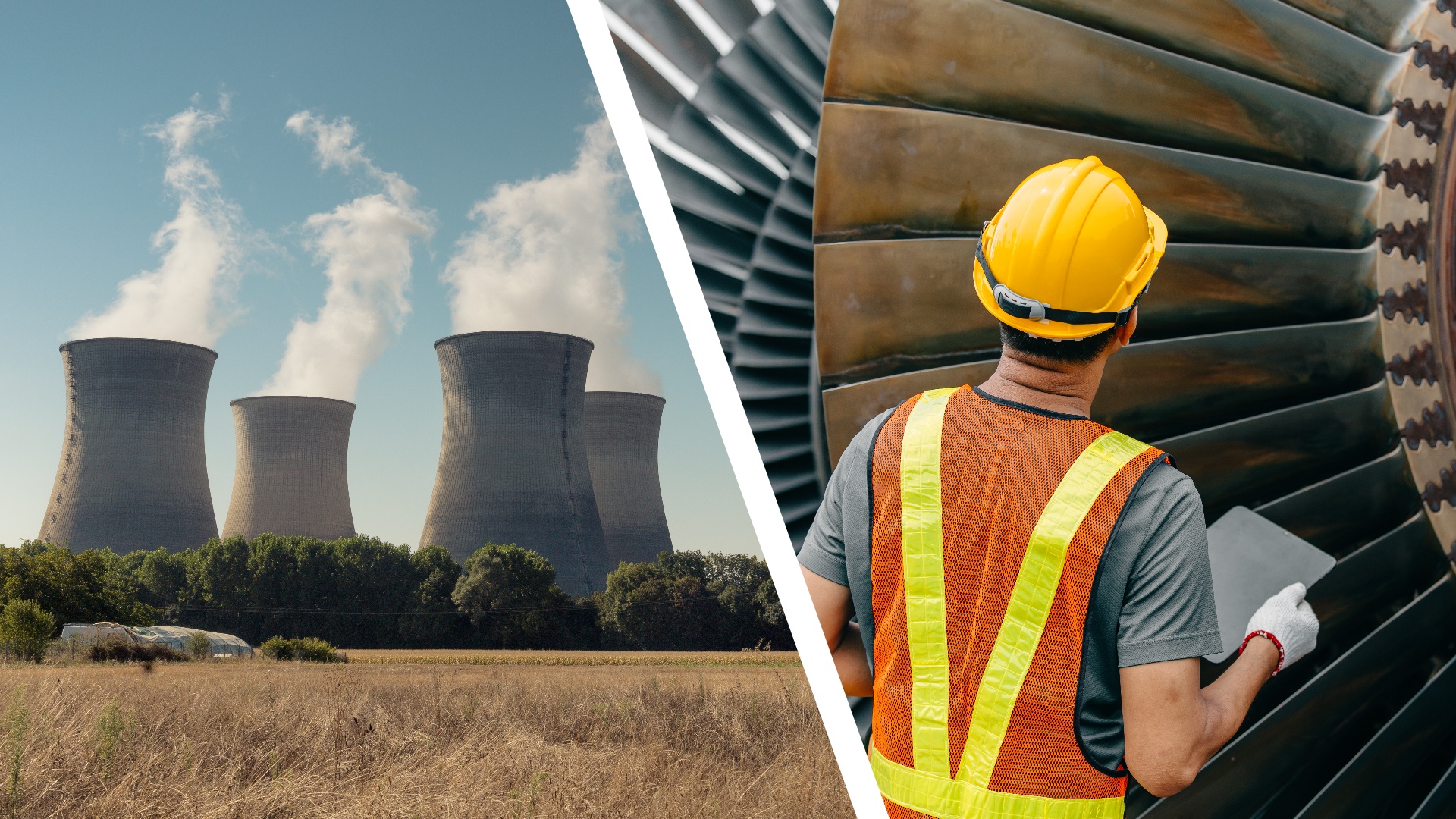
Other AI companies are turning towards nuclear power to get their data centers online. Palisades Nuclear Plant in Michigan, Crane Clean Energy Center in Pennsylvania, and Duane Arnold Energy Center in Iowa are set to receive a total of $4.4 billion in federal grants to be recommissioned, with Microsoft and Google first in line to receive energy from the sites.
Amazon is looking to purchase over 960 megawatts of energy from 12 small modular reactors planned to be constructed in Iowa at a cost that will likely exceed $1 billion, but the sites are yet to be approved and may not be operational until the mid-2030s.
To that end, the US has just recently approved plans for the first data center-specific small nuclear reactor to provide power in Tennessee, with each modular reactor providing up to 300MW.
But nuclear power is not a simple solution to the constraints placed on the US energy grid. New reactors are expensive to build, and recommissioning existing reactors requires significant investment to ensure the lifespan of a facility will meet the expected operating lifetime, with billions of dollars needed to ensure old facilities meet new and existing safety requirements.
Continuing data center expansion, and the AI boom for that matter, will therefore require billions more to be invested.


Benedict provides detailed analysis on state-sponsored threat actors, APT groups, and the protection of critical national infrastructure, with his reporting bridging the gap between technical threat intelligence and B2B security strategy.
Benedict holds an MA (Distinction) in Security, Intelligence, and Diplomacy from the University of Buckingham Centre for Security and Intelligence Studies (BUCSIS), with his specialization providing him with a robust academic framework for deconstructing complex international conflicts and intelligence operations, and the ability to translate intricate security data into actionable insights.