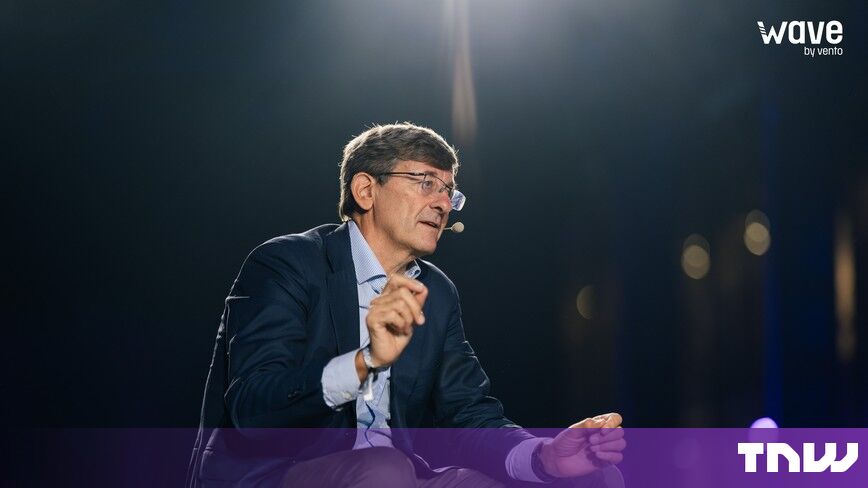
Regulation is holding back AI in Europe, but not every rule in the same way, Vittorio Colao said. The former Vodafone chief executive, now vice chairman for Europe, the Middle East and Africa at General Atlantic, spoke on stage at Wave by Vento in Turin on Friday.
Asked whether regulation is hindering AI in Europe, he answered yes.
“But it is in different ways, and we cannot put everything in one bucket,” Colao said.
Ian King, presenter and journalist at The Times, interviewed him in a session titled “The Whole Board”. Colao also spoke to reporters at a press Q&A the same day.
Rule by rule
The EU’s omnibus package has simplified things, but not enough, Colao said. GDPR has been a problem, he said.
On copyright, he sided with creators. Intellectual property and the value of creative work need protecting, he said.
“So when AI companies complain about copyright laws, I say, you see, sorry guys, you want me to allow stealing?” Colao said.
“Good intentions, too complicated to implement, and now we are not capable of implementing it,” Colao said of the AI Act.
Last month, former Meta executive Nick Clegg called the act a ‘dog’s dinner’.
Colao defended the Digital Services Act, which he said his government had contributed to. Somebody must be responsible when fake or harmful content spreads, he said.
“I’m sorry for my American friends who don’t like it,” he said. “I think the DSA is a pillar of digital democracy.”
In September, the US asked an EU court to let it back Musk’s challenge to a €120M DSA fine on X.
Policy at the speed of technology
Technology now moves faster than lawmaking, which needs consultation, Colao said. Starlink and SpaceX have changed the rules, he said.
Policy needs a quicker cycle, run by competent people, many from the private sector, he said. Companies may dislike rules that change often, but the world is changing. As minister, he said, Italy launched a satellite constellation in two years.
Europe should stop blaming “Europe” when member states do not cooperate, he said. National politicians need to think bigger on space, defence and energy. Europe pays too much for energy, he said. Spain can sell energy to France, but France is unhappy about the competition, he said.
Which AI startups will win
There is no blanket answer on whether AI-native startups can hold their own against the biggest players, Colao said. Those with a unique approach, that use AI themselves and stay close to customers will do well. Commoditised ones will struggle.
At General Atlantic, he said, the team matters most, because a team that is not dogmatic can pivot. Good companies will still find capital over the next 12 to 18 months, he said. Short-term ideas will find it harder.
Four risks to work on
Beyond the debate over extinction, Colao named four AI risks: jobs and social impact, people’s judgement, wealth concentration and cybersecurity. Politicians worried about jobs are not silly, he said, and their concern is legitimate.
Young people need training so AI strengthens their own judgement, he said. If wealth concentrates, some tax reform will need discussing. He urged the industry to work with politicians on all four.