While the company has pulled off this trick a few times with Super Heavy boosters, it'll be a first for the Ship.
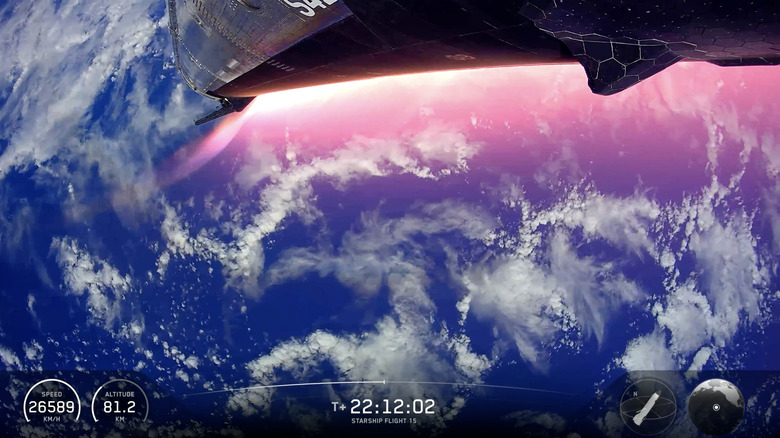
SpaceX launched Starship from Texas on Friday for its 15th test flight, in which it set out to achieve some of its most ambitious goals yet. The company planned to demonstrate its first double catch, which would see the Super Heavy V3 booster return to the launch site to be caught by the tower's chopstick arms before the upper stage, or the part known as the Ship, attempted the same landing maneuver a day later. SpaceX has caught and reflown V1 Super Heavy boosters a couple of times so far, but it hasn't yet tried to catch the Ship.
Starship has been circling Earth in orbit since the launch on Friday afternoon, and is expected to make its landing attempt shortly after 4PM ET Saturday. SpaceX has been live-streaming the flight on its website and on X.
While Flight 15 completed some of its main objectives successfully, including deploying 26 Starlink V3 satellites to orbit, the first stage booster experienced a problem on its way back down to Earth and aborted the catch attempt, instead changing course to splash down in the Gulf, where it exploded before hitting the water. The Ship, though, has continued on its journey in orbit for roughly 22 hours following launch before heading back down to the surface.