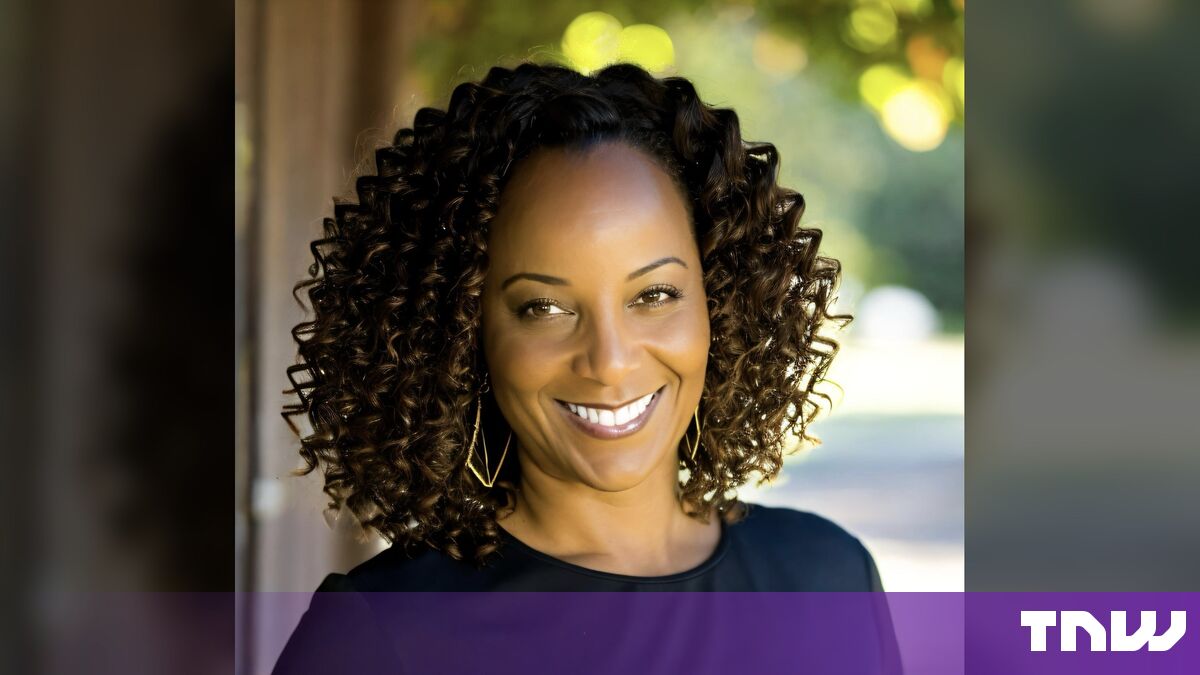
Waymo co-chief executive Tekedra Mawakana says partnering with Uber was “a little bit of a crapshoot” for riders. On the same day, Uber told investors that robotaxis earn more on its platform than on their makers’ own apps.
Mawakana spoke to Emily Chang on Bloomberg’s The Circuit. She explained why Waymo will end Uber’s exclusive hold on its robotaxis in Austin and Atlanta in January 2028. We reported the plan in July. Riders in those cities can only book a Waymo through Uber. They can ask for a robotaxi, but they get one only if it is nearby.
“In the early days, we would partner because we didn’t have the scale, and in that partnering, it was a little bit of a crapshoot. Will I get a Waymo? Will I not get a Waymo?” Mawakana said.
Riders want one consistent app, she said. That is especially true of those who already use Waymo’s own app in San Francisco. Waymo will launch its app in Austin and Atlanta instead.
“It’s important for us to have that relationship with the rider. We’ve gotten that feedback from the riders in those markets,” she said. “And at the same time, learning and partnering with Uber has been a really important part of our journey.”
Uber’s side of it
An Uber spokesperson told Bloomberg that Uber had asked Waymo to add a robotaxi option in Austin and Atlanta. Waymo said no. Waymo declined to comment on the talks. Uber told TechCrunch it still plans to host Waymo robotaxis for as long as both companies agree.
Uber made its case in the prepared remarks for its third-quarter call. It said its US robotaxi partners get about 30% more trips per vehicle a day on Uber. The comparison is with first-party deployments. In an illustrative example, a 30% rise in paid trips cuts the fixed cost per trip by about 23%. Uber said that leaves “room for higher fleet profitability even after paying Uber’s marketplace fee”.
“As autonomous technology becomes more widely available, we believe this ability to commercialize vehicles profitably will become an increasingly important source of competitive advantage and value capture,” the company wrote.
2,000 robotaxis by 2027
Uber expects about 700 fully driverless vehicles on its platform by the end of this year. It plans more than 2,000 by the end of 2027, roughly half of them abroad. After that, Uber expects what it calls “a much larger commercial ramp beginning in 2028”.
Chief executive Dara Khosrowshahi told CNBC that Uber has committed about $10bn to driverless partners and investments, including Rivian, Nuro and Avride.
In Las Vegas, Uber expects Amazon’s Zoox to launch on its app later this month, followed by Motional. It plans to add a dedicated autonomous option in the app there “as availability and reliability improve”, its remarks said. Nuro and Lucid robotaxis are due in the Bay Area in the first quarter of 2027.
Waymo runs about 4,000 vehicles and more than 500,000 trips a week across 14 US cities, according to Bloomberg. It plans to grow its fleet fivefold by 2027.
Four rides booked by AI agents
Uber also gave a figure for bookings by AI agents, TechCrunch reported. Chief financial officer Balaji Krishnamurthy said on the call that Uber handled about 320 million trips and orders in the week of Halloween. AI agents placed about 500 of the Uber Eats orders, and Uber said they booked four rides.
“It is very, very early and very limited traction that we are seeing so far,” Khosrowshahi said.
Booking a ride in Uber’s app takes about 50 seconds on average, he said. Visa’s tests found AI models failing as shoppers this week too.
The quarter
Uber’s third-quarter gross bookings rose 20% to $59.8bn, and revenue rose 10% to $14.8bn. Revenue from rides fell 2% to $7.52bn, while delivery grew 23%. Uber said an accounting change in the UK, which moved driver payments out of its costs, cut $1.1bn from revenue. Khosrowshahi said high fuel prices and fewer drivers held back rides in several international markets. Uber’s shares rose more than 7% on Wednesday, CNBC reported.
Mawakana said Waymo will not compete on price. Its rides still cost more than taxis or ride-hailing on average, Bloomberg reported.
“Price is not the first priority. We are not trying to have this race to the bottom on what we’re offering to our riders. We really want to elevate the experience over time,” she said.