- The US could have a 157,000 shortage of semiconductor and microelectronics workers by 2030
- International chip makers are reportedly bringing in workers as a temporary measure
- Worker salaries aren't the issue, but competition with other sectors might be
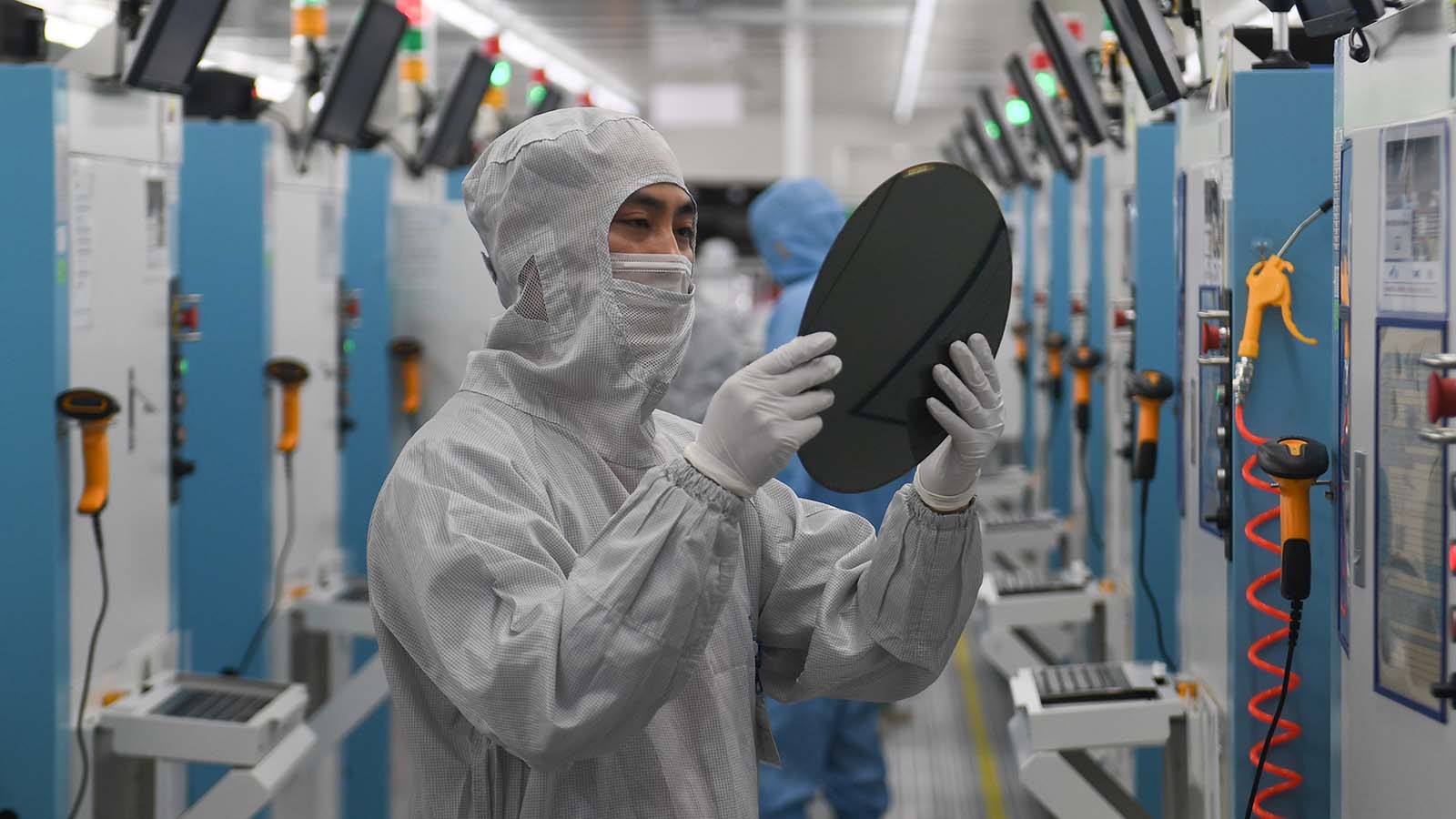
New analysis from the SEMI Foundation has revealed the US could face a shortage of up to 157,000 semiconductor and microelectronics workers by as soon as 2030.
This shortage will likely cover all manner of jobs, right from semiconductor engineers to supply chain workers and maintenance staff, putting immense pressure on the sector at the very time that it needs all the resources it can get.
Speaking with , Samsung semiconductor EVP Jon Taylor declared that the company is "concerned" because it's not seeing enough technical workers coming through the US pipeline.
Chipmakers are worried about a lack of workers
Only 3% of US engineering graduates enter the semiconductor industry every year, the report warns, with nearly three in four (73%) semiconductor companies reporting significant difficulties recruiting engineers.
The ongoing AI boom, and especially America and the Trump administration's push for more domestic manufacturing and AI processing, are accentuating this shortage of workers. According to McKinsey, semiconductor sales growth during the first six months of 2026 reached its highest year-on-year rate since the mid 80s, with revenue surpassing the trillion-dollar mark.
Numerous high-profile companies are also working on expanding their US footprints despite the clear strains. Samsung itself reportedly expects to create around 3,500 new jobs from two fabs at its Taylor, Texas site, however it's unclear with how much success it will fill them given news about recruitment struggles.
Micron, SK Hynix, TSMC and Intel are also opening new manufacturing facilities, per the report.
However, the report also reveals that both Samsung and SK Hynix are bringing in workers from South Korea temporarily to offset some of those US struggles.
US workers don't want to work in chip manufacturing, but why?
Despite low uptake, these roles typically fetch some pretty attractive salaries. SEMI's figures put typical US semiconductor compensation around $127,000 to $187,000, with some senior roles exceeding $238,000.
Ultimately, it's clear that companies are willing to pay the right compensation to attract workers, so the issue lies elsewhere.
And it could be cross-sector competition that's making jobs at other companies more attractive – semiconductor workers are also great fits for software, AI and aerospace, per the report.
In the meantime, hyperscalers are increasingly prepared to remind us that investments in new campuses also go hand-in-hand with local training opportunities, college funding and upskilling. But with the impacts of those schemes unlikely to be seen for many years, it's likely that many US semiconductor roles could remain unfilled in the meantime.

With several years’ experience freelancing in tech and automotive circles, Craig’s specific interests lie in technology that is designed to better our lives, including AI and ML, productivity aids, and smart fitness. He is also passionate about cars and the decarbonisation of personal transportation. As an avid bargain-hunter, you can be sure that any deal Craig finds is top value!