This article is the first in a series discussing the results of Nature’s 2026 science-job satisfaction survey. It’s the latest edition of such surveys, which started in 2010; the last two took place in 2018 and 2021. The 2026 survey, created in partnership with Thinks Insight & Strategy, a research consultancy in London, launched in May and was advertised on nature.com, in Springer Nature digital products and through e-mail campaigns. It had 3,882 self-selecting respondents across 133 countries with 31% describing themselves as female and 19% as belonging to a minority ethnic group in their country of work. The full survey data sets are available at go.nature.com/4b2drrc.
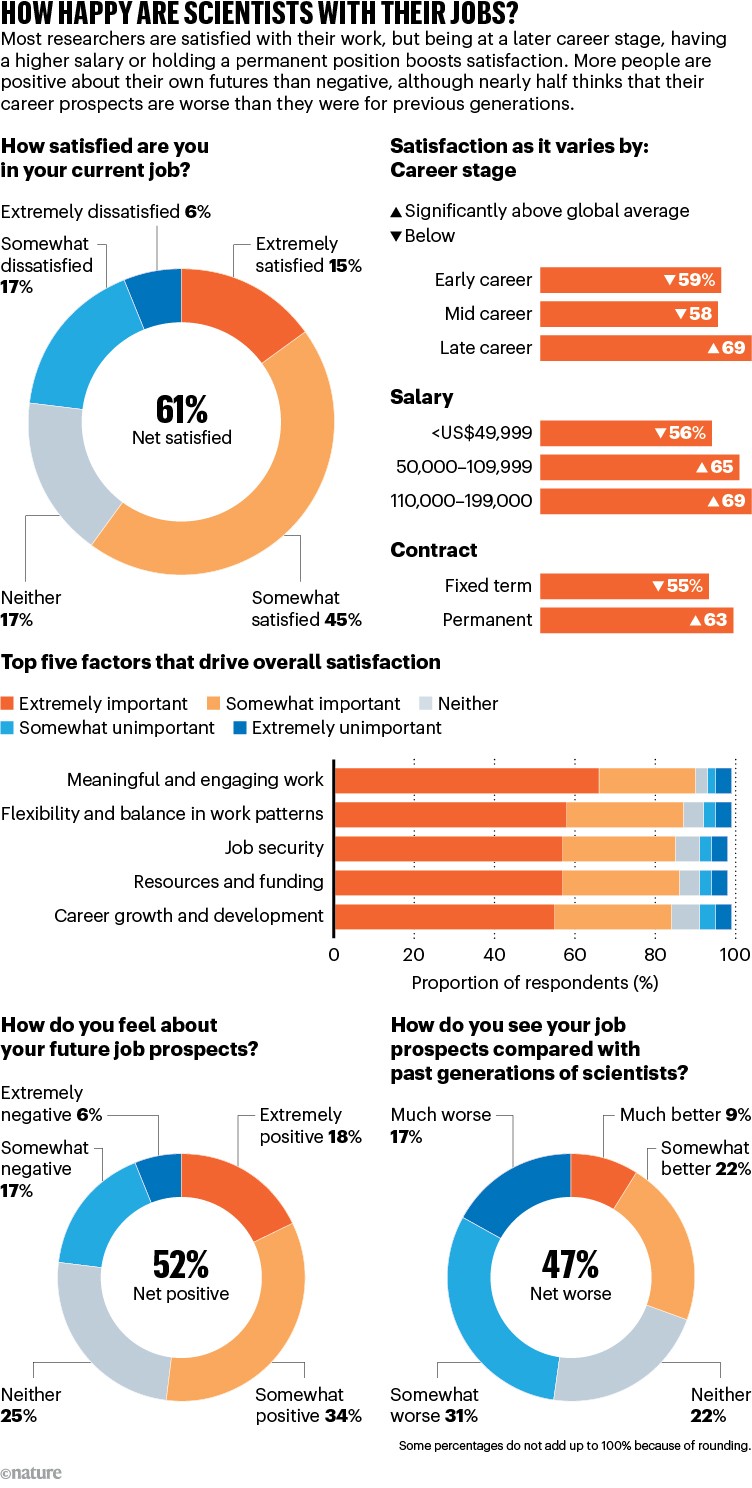
Scientists might grumble about shrinking grants, mounting paperwork and long hours, but most are happy at work. When Nature’s careers team surveyed almost 4,000 scientists in May and June, 61% reported feeling at least moderately satisfied with their jobs. Around 75% felt either optimistic or neutral about their job prospects, and 65% would recommend a research career to students.
Salary ranked low as a driver of satisfaction, coming seventh out of eight factors assessed. Doing meaningful and engaging work and having a good work–life balance, job security and sufficient research funding, for instance, were all viewed as more important than take-home pay. Late-career scientists, those with permanent positions and those earning more than the equivalent of US$50,000 a year are more satisfied than are other researchers. Men are more optimistic than women: 56% of men feel positive about their career outlook compared with 44% of women (see ‘Nature’s 2026 job satisfaction survey’).
Respondents working in industry were not significantly more satisfied than those in academia — a change since the last survey, in 2021 (see ‘Looking back at scientist satisfaction’). This is despite industry scientists earning 66%, on average, more than do academics, according to the 2026 survey. “This is very interesting and shows that satisfaction is about more than money,” says Henry Sauermann, a science-policy scholar at the European School of Management and Technology in Berlin. Academic scientists probably enjoy other benefits, he notes, such as greater research autonomy than their industry colleagues have and the ability to do interesting work.
Looking back at scientist satisfaction
A showcase of Nature’s salary and satisfaction surveys reveals how opinions have shifted over the past 16 years.
2010: For love and money
Researchers’ self-reported contentment with their chosen profession depends on more than just salaries.
2012: Turbulent times
Many scientists are content with their work, but uneasy about finances.
2014: Divided opinions
Financial woes are marring researchers’ enjoyment of their work.
2016: Reality check
A feeling that good performance is not adequately rewarded is pervading the research world.
2018: Satisfaction in science
The last survey before the COVID-19 pandemic showed that many researchers were happy with their career.
2021: Hurdles to career satisfaction
Scientists are concerned about their career prospects because of funding shortages, intense competition for jobs and COVID-19 disruptions.
A lack of funding and too few available jobs are the main barriers to career advancement, the survey found. Respondents were asked which one workplace change would make the most difference to their careers. Answers included mandated work breaks and staff networking sessions — suggested by an academic in Japan, where 22% of respondents were dissatisfied with their relationships with their colleagues. Others suggested raising wages to cover living costs, including an academic in Ethiopia, where 73% of survey respondents say that their salaries don’t cover basic living costs. Working overtime did not seem to affect overall job satisfaction globally, suggesting that long working hours are normalized in many science jobs. But those who worked overtime were less likely to be satisfied with their work–life balance than those who worked only their contracted hours.

Are these the happiest PhD students in the world?
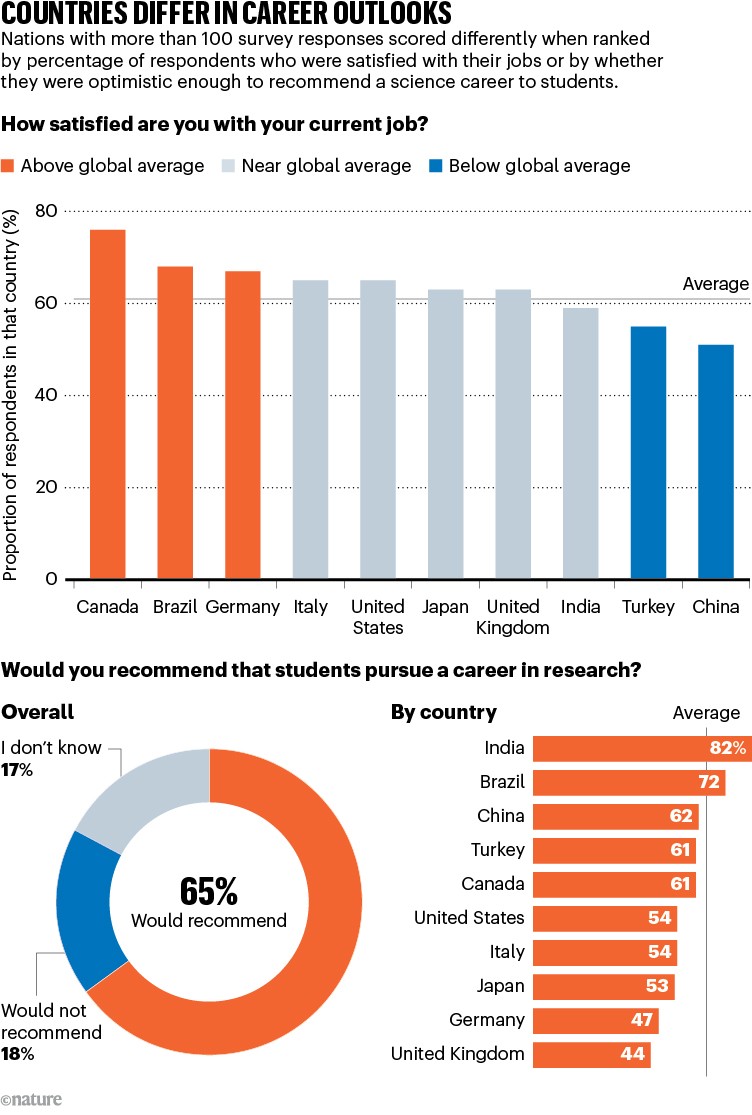
Job satisfaction seems to have mostly bounced back to levels from before the COVID-19 pandemic. In the 2021 survey, 53% of respondents reported that their job satisfaction had worsened over the preceding 12 months. Now, just 33% say it had worsened over the past year and for the largest group of respondents, 39%, it had stayed the same. The proportion of satisfied respondents has increased slightly from 58% in 2021 to 61% this year. But it remains lower than in 2018, when 68% responded feeling satisfied. Shifts in people’s satisfaction differed depending on the country they worked in. Satisfaction of China’s researchers dropped by 24 percentage points since 2018 to 51% this year; in the United States, the drop was only 3 percentage points. Italy is the only country to remain stable at 64%.
Such comparisons should be treated with caution, however, because of shifts in the self-selecting respondents’ locations. This year’s survey drew scientists from 133 countries. The largest share (39%) lived in Asia, followed by Europe (25%) and North and Central America (17%). That is a reversal of 2018, when about 40% of respondents lived in North and Central America, 35% in Europe and 16% in Asia. The mix of career stages and job sectors reported also differ by country.
We took a closer look at some of the nations with at least 100 respondents to dig deeper into what makes scientists happy — or not — in 2026 (see ‘How happy are scientists with their jobs?’).
Canada has the highest overall satisfaction rate (76%) of the ten countries with more than 100 responses. Significantly more scientists than the global average are happy with their opportunities to work on interesting projects (81% versus 60% overall), their level of independence (81% versus 72%), the meaningfulness of their job (80% versus 66%), their ability to work remotely (69% versus 49%), their benefits (66% versus 46%), the inclusivity at their workplace (62% versus 50%) and their salaries (61% versus 44%).
“None of these findings surprise me,” says Glen Jones, a higher-education researcher at the University of Toronto in Canada. Although there are challenges because of growing workloads and researchers having short-term contracts, Jones says that academics — who make up 64% of Canada’s respondents — “generally report a supportive working environment” and “believe that they have high levels of academic freedom and professional autonomy”.
Canada’s government has made large commitments to science funding when other nations are reducing such spending, says David Robinson, executive director of the Canadian Association of University Teachers in Ottawa. He thinks that this bolsters satisfaction, although the high number of people in unions at Canadian universities also has a role. “This translates on average into better job security, decent salaries and benefits,” he says.
Robinson also says that “the anti-science policies of the administration of US President Donald Trump may very well be casting a more positive light on Canada”, potentially boosting satisfaction. Dozens of US scholars have relocated to Canada as part of an international recruitment drive, according to a Canadian government announcement in August. “We’re not without our problems and challenges, but when we look south of the border, researchers may be taking some comfort in knowing they are comparatively faring much better,” he says.
India’s youthful optimism
With 541 respondents, India has the largest sample of any country surveyed. Its scientists were the most optimistic about their career prospects of the ten countries with more than 100 respondents. Despite average numbers of scientists reporting being satisfied (59%), 70% of respondents feel positive about their prospects and 82% would recommend a career in science — both proportions are significantly above the global average. India’s respondents are also the least likely to say that their prospects are worse than those of previous generations of scientists: only 30% do so, compared with 47% globally.
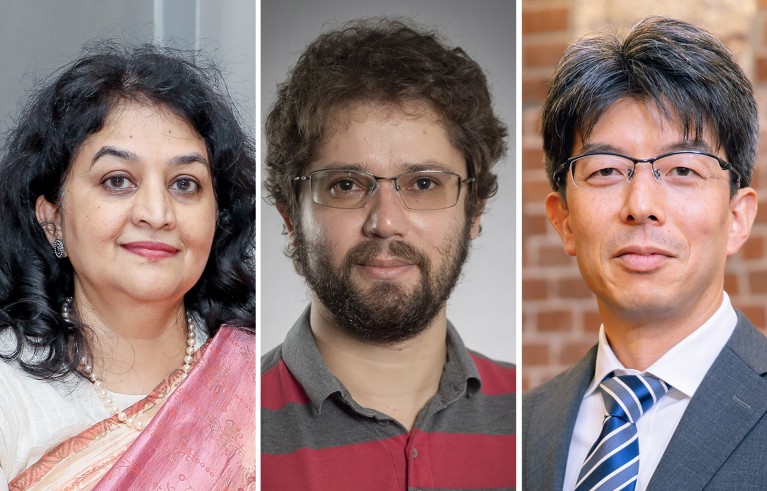
Suma Nair, a public-health researcher at DY Patil University in Mumbai, India, notes that the nation’s science community is multifaceted and complex, and that career satisfaction probably varies considerably across the country. This means that averages can be misleading.
That said, she thinks that India’s young scientists might be behind the strong career optimism recorded. “Those who take up research are probably very passionate about it, with the younger generation especially keen on the start-up culture and innovation,” she says. “They feel that they can make a difference.”
Nair could have a point, because India’s sample has more young respondents than average: 32% self-identify as early-career researchers, compared with 27% globally. Just 14% identify as late career, compared with 20% globally.
Mid-to-late-career scientists might have a less sunny outlook, Nair suggests. Although the Indian government has increased the resources available for young researchers, she says, overall funding levels remain “paltry” compared with leading science nations. “As a senior researcher, I still feel a lot more needs to be done.”
Brazilian resilience
Brazil has the second-highest satisfaction overall (68%). But because the difference with the global average is not statistically significant, this should be interpreted with caution.
“I would for sure not describe Brazilian scientists as the ‘second happiest’ in the world,” says Haroldo Ribeiro, a physicist at the State University of Maringá in Brazil. He says that scientists in his country often complain about their salaries and grant funding, and that both are lower in absolute terms than in wealthier countries.
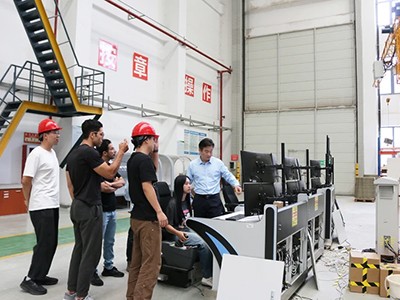
The survey data offer some clues for Brazil’s high satisfaction score. Some 67% of respondents feel satisfied with their job security — significantly more than the global average of 56%. Brazil also has a higher-than-average proportion of full professors — 26% versus 18% globally — even though its distribution of career stages matches the average.
The findings might be explained by the large proportion of survey-takers with permanent positions at public universities or research institutions, notes Bruno de Bezerril Andrade, an infectious-disease researcher at Johns Hopkins University in Baltimore, Maryland, who also works in Salvador, Brazil. “Once someone reaches such a position, job security can be substantial,” he says. But the path there is difficult, and most young scientists spend years on fixed-term contracts; many leave science along the way. “There is likely some survivor effect here.”
The country’s researchers also went through a challenging time: grant funding by the government was at a two-decade low in 2021. Ribeiro suspects that the survey could be picking up on the improvements in political support and research funding, including an increase in philanthropy for science. “I would describe the Brazilian scientific community today as more optimistic than comfortable,” he says.
That optimism shines through in the survey data. The proportion of Brazilian scientists who would recommend a science career to students is higher than the world average (72% versus 65%; see ‘Countries differ in career outlooks’).
People in Brazil tend to answer surveys such as this one more positively than do people in many other nations — a subject discussed in depth when Nature reported last year that Brazil’s PhD students were the most satisfied in the world (Nature 646, 1013–1016; 2025). But de Bezerril Andrade does not think the country’s innate optimism explains everything. He calls the optimism of Brazil’s scientists “partly cultural and partly adaptive”. They have had to build meaning and community under unstable conditions, he notes. Such “resilience is admirable in people”, he says. “But it becomes a policy failure when the system depends on it.”
Germany’s pay dividends
Salary satisfaction is higher among Germany’s researchers than for survey participants in any other country with more than 100 respondents. In total, 68% of respondents feel at least somewhat satisfied with their take-home pay compared with 44% globally. Moreover, 22% are ‘extremely satisfied’ with their pay — almost double the global average of 12%.
These findings might be influenced by Germany’s larger sample of scientists working in industry (12%, double the global average), because salaries in industry tend to be higher than academic ones. That Germany is paying scientists well is consistent with data from the Research and Innovation Careers Observatory of the Organisation for Economic Co-operation and Development. The country tops the index of average gross earnings of employed PhD holders adjusted for purchasing power, coming ahead of Luxembourg, the United States and Switzerland, for instance.
And 87% of respondents can afford some luxuries on top of their basic expenses — significantly more than the 56% who say they can globally. The survey did not define ‘luxuries’, and what counts as a luxury probably differs between countries. But Sauermann says that this aligns with Germany-based scientists feeling secure in their finances. Respondents are also significantly more satisfied than the global average with their access to technologies, their ability to choose hybrid or remote working and their time off. Overall, 67% are satisfied with their work.
However, just 47% of respondents would recommend a career in science, significantly below the global average. Job scarcity might be a factor affecting their advice, especially for academics, says Anne Krüger, a sociologist at the Weizenbaum Institute in Berlin. Many university scientists work part time or have short-term contracts, she says. “That may explain why most researchers would not recommend working in academia.” The survey backs up job precarity being a large drawback of German science careers. When asked what one workplace change would make a big difference, better job security was one of the most common answers from Germany-based scientists, along with better leadership and less bureaucracy.
Although these negative factors might push early-career researchers from Germany towards other professions, the country attracts many scientists from elsewhere. This is reflected in the German sample: 43% of respondents were born outside Germany. By contrast, worldwide, 22% of respondents work outside the country they grew up in. One Greek scientist working at a German university wrote that, apart from its lack of tenure-track positions, the country “is a paradise for research”.
China’s mixed messages
China might be rapidly becoming a science superpower, but it has the lowest proportion (only 51%) of satisfied researchers of all countries with more than 100 respondents. Its scientists are significantly less satisfied with several aspects of their working lives compared with the global average, including with their relationship with colleagues, their time off, their work–life balance and their professional development opportunities.
China-based scientists also have unique career challenges. For instance, 23% of respondents say that the impact of artificial intelligence on their field is one of the biggest challenges they face, significantly above the global average of 12%. They also cite competition for funding and limited language skills as big challenges more often than do scientists from most other countries. However, only 6% consider the effects of geopolitics on science as a main career challenge, significantly below the 16% of respondents who say this globally.

Stagnating salaries present hurdles to career satisfaction
Despite these challenges, most respondents in China are satisfied with their independence (71%) and the meaningfulness of the job (60%) and they feel optimistic about their own prospects (55%). They are also more likely to say that their career prospects are better than those of previous generations of scientists: 37% of respondents from China compared with 31% globally agree with this statement.
Nature’s data on career optimism in countries such as China and India reflect the “changing landscape of science”, says Benedetto Lepori, a research policy specialist at the University of Lugano in Switzerland.
Lepori says that although salaries and funding opportunities in some regions, including India and parts of China, might not match those of Western countries, perceptions of research careers might be more favourable because investment in science is growing in these nations. “Career prospects seem to be mostly related to the perception of working in science systems that are expanding and improving their quality,” he says. For example, in 2023 China spent more research and development funding per researcher than Europe did.
The opposite perception, that science systems are declining, is likely to increase career uncertainty in the United States and in Europe, he notes.
Enjoying our latest content?
Log in or create an account to continue
- Access the most recent journalism from Nature's award-winning team
- Explore the latest features & opinion covering groundbreaking research