Notice something wrong at your university? Perhaps you witness bullying of a colleague, data fabrication or a professor having an affair with an undergraduate student?
You do what you are supposed to do: you report it. You raise the matter with the head of department and research-integrity office. After all, such behaviour is contrary to the university’s values and mission statement. Managers will surely want to know and will take action — as you would expect.
This is not what happened to me. In 2021, I raised concerns over a senior colleague’s treatment of a female administrator at the Institute of Astronomy, University of Cambridge, UK. I soon found myself under investigation — accused by the person I had reported of having behaved inappropriately myself.

The university failed to follow proper procedures. Five years later, I took my case to an employment tribunal. Although the matter started in my department, it escalated to involve senior university leaders. In August, the tribunal concluded in my favour; it accepted that I had been retaliated against for raising matters that were in the public interest. The university has accepted the judgment and announced a review of its processes.
I hope my win serves as a boost to all university whistleblowers. But, realistically, the university almost always wins. Even in my case, there have been no repercussions.
I’m not the only one who has faced this. Other university whistleblowers who have reported professional malpractice have found themselves bullied and isolated, with no support from colleagues or management. The process can drag on for years. Often, whistleblowers leave. A new university, a new job, early retirement on grounds of ill health — anything to escape an impossible situation.
Getting my legal result required an extraordinary combination of factors: a solid, well-documented case backed up by evidence; emotional stamina; a lot of money; some colleagues prepared to stand by me, when doing so might put their own careers at risk; a brilliant barrister; and, ultimately, some luck with interested and principled judges at the employment tribunal.
Many whistleblowers don’t have all of these. For young scholars, those without access to money, or anyone who is emotionally fragile or vulnerable in any way, the path to a victory is almost impossible.
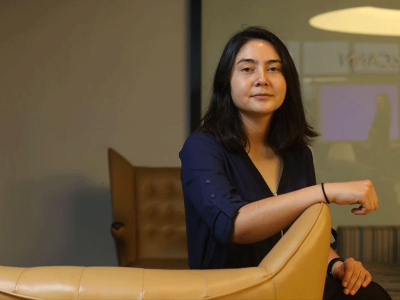
How blowing the whistle on the Theranos scandal transformed Erika Cheung’s career
It’s hard to experience your own university attacking you, trying to destroy your character and bankrupt you. When I broke down in court about a colleague who had died by suicide, the university’s barrister accused me of crying “crocodile tears”. Your university might see it in their interests to play dirty, because research is often about winning and money, not people.
Yet universities receive a lot of public money to carry out research and teaching. That investment comes with a responsibility to maintain the highest standards of integrity, competence and accountability. The institutions’ legitimacy depends on the trust of the public they serve — and that trust is increasingly fragile.
Enjoying our latest content?
Log in or create an account to continue
- Access the most recent journalism from Nature's award-winning team
- Explore the latest features & opinion covering groundbreaking research