Apple’s smallest desktop delivers better performance and value for those willing to leave the laptop behind.
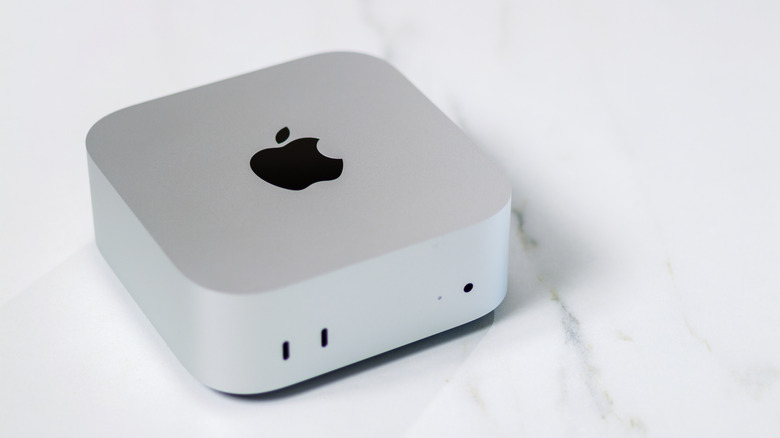
Laptops are the first choice for the majority of people looking to buy a new computer, and that holds true when it comes to the Mac lineup. It's no wonder: a MacBook can travel with you wherever you go, and they come fully equipped with a built-in screen, keyboard, trackpad and webcam. There's no need to buy accessories separately. But if you spend most of your time at a desk, shelling out extra for portability might not be worth it.
The cheapest MacBook available today is the MacBook Neo, which starts at $699 and features entry-level hardware: the iPhone's A18 Pro chip with just 8GB of RAM. That works for many people, but it might not be enough if you want to edit videos or do other more demanding tasks. Then there's the MacBook Air, one of the most popular laptops, which starts at $1,299. Your budget and power needs should make that choice easy, but you might not have thought to look at desktop Macs too.
The Mac mini is more powerful than a MacBook Neo or Air, plus it costs less. And for some people, it might be the smartest choice.
When the Mac mini is better than a laptop
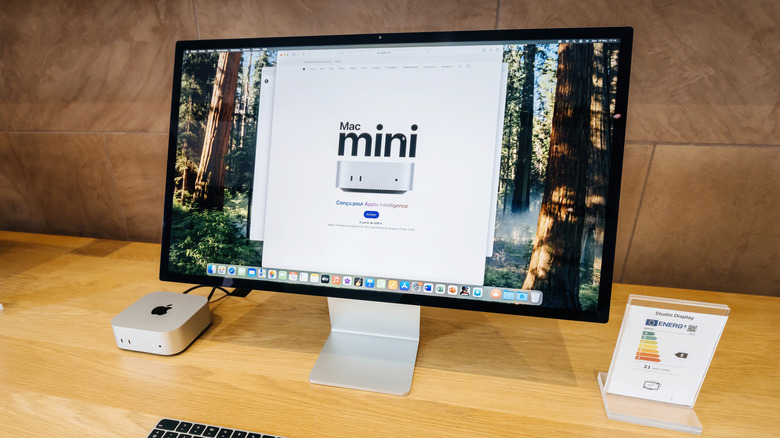
The Mac mini is Apple's smallest desktop computer. Unlike the all-in-one iMac, the Mac mini still follows a concept that Steve Jobs used to joke about: BYODKM, or "bring your own display, keyboard and mouse." There is no built-in display, nor are a keyboard and mouse are included in the box. The idea is to buy a small computer and then connect the peripherals you already have at home, helping you save some money.
The base model of the Mac mini starts at $899 — for that price, you get a Mac with the latest M6 chip and 16GB of RAM. It's more than enough to handle hardware-intensive apps like Final Cut Pro or Xcode, which makes it a good first Mac for those learning to edit video or how to code. But a faster chip isn't the only element that makes the Mac mini better than a MacBook Neo or Air. Unlike those laptops, the Mac mini has a cooling system with a fan. That helps the computer maintain sustained CPU and GPU performance for longer. In comparison, when a fanless MacBook gets hot, the system reduces its performance to prevent it from overheating.
Again, it all depends on what you plan to do with your computer. For light tasks like browsing the web or editing documents, it doesn't make much of a difference. But for 4K editing, compiling code or even playing some 3D games, having a cooling system makes the experience much better. Plus, the Mac mini offers more ports than any MacBook. It has multiple USB-C Thunderbolt ports plus Ethernet, HDMI and a headphone jack — perfect for a desktop setup.
Choosing between portability and performance
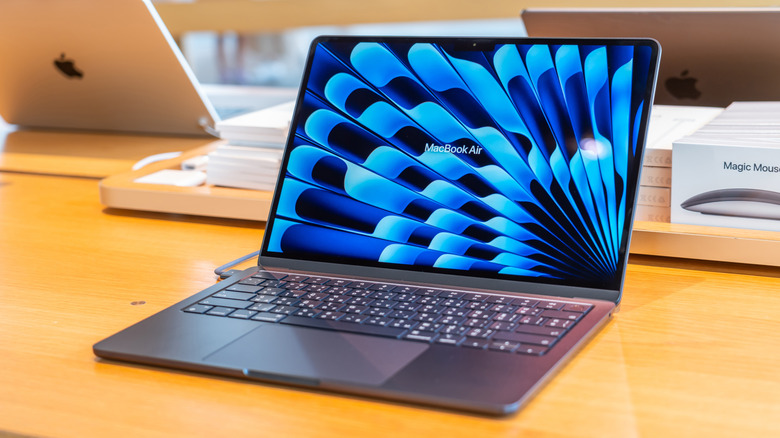
Of course, there's another side to this. The Mac mini is cheaper than a MacBook Air or an iMac because part of a laptop's cost comes from parts like the display and battery. If you already have a desktop setup at home with your own monitor, keyboard and mouse, great — you can spend the $899 on a Mac mini and take full advantage of it. But if you need to buy new accessories, the cost can quickly add up to nearly the price of a new MacBook Air. So the question is: do you need more performance or portability?
For those who are constantly on the go, like working from a coffee shop or while traveling, there's no question: you need a MacBook. You won't get the same sustained performance as you would from a Mac mini, but you'll have the freedom to unplug your laptop and use it anywhere. You can also buy an external monitor, keyboard and mouse to use it docked as a "desktop" at home. But if portability isn't something you care about, consider buying a Mac mini instead.